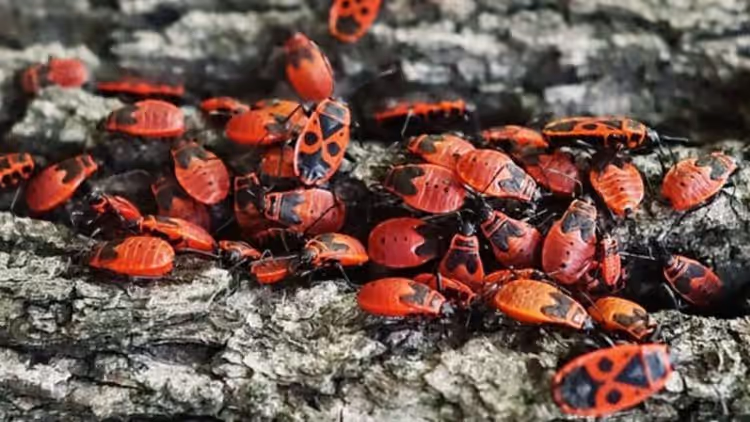
Fire bugs, scientifically known as Pyrrhocoris apterus, are often misunderstood due to their bright red color. Many people assume they are dangerous pests, but in reality, they are harmless garden helpers. Let’s debunk the myths and explore the true nature of these fascinating insects.
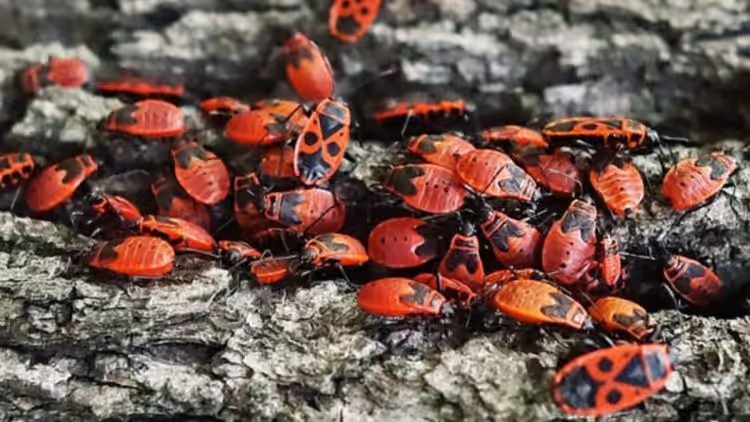
🔎 What Are Fire Bugs?
Fire bugs are small, red insects with black markings, typically measuring 1 to 2 centimeters in length. They are commonly found in gardens, parks, and forests worldwide. Despite their striking appearance, they are completely harmless to humans.
✔ Diet: Fire bugs are mostly herbivores, feeding on flowers, fruits, and seeds. They also help clean gardens by consuming dead plant material and occasionally small insects or mites.
✔ Habitat: These insects are ground dwellers, but they can also be found on tree trunks, plants, and in garden corners. They particularly favor lime trees, mallows, and hollyhocks.
🦷 Can Fire Bugs Bite?
A common misconception is that fire bugs bite humans. While they do have piercing mouthparts to extract plant sap, they are not aggressive and do not bite people.
⚠ If threatened or crushed, fire bugs release a strong-smelling secretion as a defense mechanism. This substance is not toxic but has an unpleasant odor.
🌿 The Role of Fire Bugs in Nature
Rather than being a pest, fire bugs are actually beneficial to the environment.
✔ Natural Pest Control: By attracting beneficial insects such as spiders and ladybugs, fire bugs help reduce harmful pest populations.
✔ Garden Cleanup: They primarily feed on fallen seeds, dead flowers, and insect eggs, ensuring your garden remains tidy.
✔ Environmental Indicators: Fire bugs are sensitive to changes in air and water quality. A sudden decline in their population could signal environmental issues.
🌼 Do Fire Bugs Harm Your Garden?
🚫 No! Fire bugs do not destroy flowers or plants. Although they occasionally feed on insect eggs or dead insects, their main diet consists of decaying plant material.
🌳 They prefer certain plants, such as lime trees and mallows, but do not pose a threat to your garden.
🚚 How to Relocate Fire Bugs (If Necessary)
While fire bugs are harmless, large groups of them may be unwanted in certain areas. If you wish to move them without harm, try these gentle relocation methods:
✔ Collect and Relocate: Gently scoop them into a container and release them in another part of your garden.
✔ Create an Alternative Shelter: Fire bugs love cracks and corners. Placing a pile of wood in a different garden spot may encourage them to move naturally.
✔ Use Natural Repellents: Balsam fir wood chips or twigs can be spread in areas where fire bugs usually gather, deterring them without harm.
🏡 Let Fire Bugs Live in Peace!
The best approach is to simply let fire bugs coexist peacefully in your garden. They do not bite, do not damage plants, and help maintain ecological balance. In fact, they contribute to a cleaner and healthier garden environment!
🐞 Next time you spot a fire bug, appreciate its role in nature—it’s not a pest but a helpful garden companion! 🌿✨