Weeds growing between the joints of paved paths or terraces can detract from your garden’s appearance. While there are various methods for removing weeds, some can lead to hefty fines if not done correctly. Here are 4 effective methods for eliminating weeds from joints, along with tips to avoid common mistakes.

Removing Weeds from Joints: 4 Effective Methods
Before you start, it’s important to understand what you should and shouldn’t do when removing weeds. Let’s look at the methods:
1. Joint Scraper
This method may be labor-intensive, but it is environmentally friendly and gentle on your paving stones. To get started, you’ll need a joint scraper, joint brush, and a shovel. For larger spaces between the paving stones, a weed puller can also be useful.
To make this process easier on your body, consider using tools with a telescopic handle to avoid working on your knees. It’s best to remove weeds after a rain, as the soil will be softer and the weeds easier to pull up. Be sure to remove both the weeds and their roots to prevent regrowth. The joint brush helps clear out any loose debris from the joints.
2. Pressure Washer
Using a pressure washer is another efficient way to eliminate weeds from joints. This method is also environmentally friendly and requires less effort than scraping. However, be careful not to direct the high-pressure jet directly at the joints to avoid damaging the joint material. Aim the water at a 45-degree angle for best results.
While pressure washers can be expensive, you can easily rent one from a hardware store. If you’re unsure how to use one properly, check out tips for correct use in this article.
3. Gas Burner
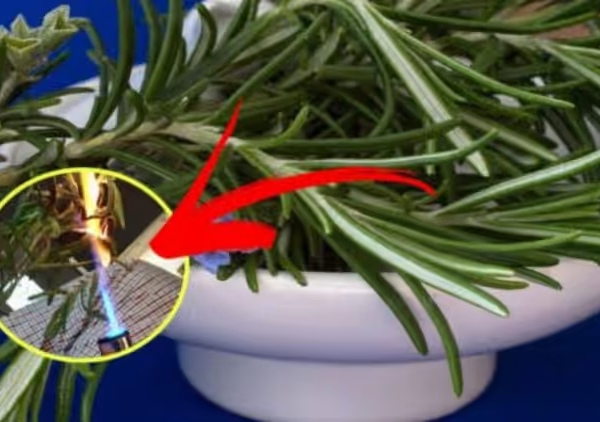
A gas burner is a quick and effective way to kill weeds, but it comes with certain risks. After a few days of burning, the weeds should be dead, and you can easily collect their remains. However, this method is harmful to the environment and can damage your paving stones.
Safety is key: always wear proper work clothing, keep flammable materials away, and have a bucket of water on hand for emergencies.
4. Removing Weeds with Chemicals?
While using chemical weed killers might seem tempting, it’s prohibited by the Plant Protection Act on surfaces like terraces and sidewalks. These chemicals can harm the environment, affect nearby plants, and contaminate groundwater through runoff.
If you’re caught using chemicals illegally, you could face a fine of up to €50,000. This applies to home remedies like vinegar and salt, too. Instead, consider using hot water to kill weeds. Stick to the first three methods for a safer and more effective solution.
Preventing Future Weeds
After clearing the weeds, consider applying joint sand with a broom. This will help prevent new weeds from growing in the joints.
Weeding may be a tedious task, but with the right methods, you can keep your paths and terraces looking beautiful all year round. Good luck with your weed removal!