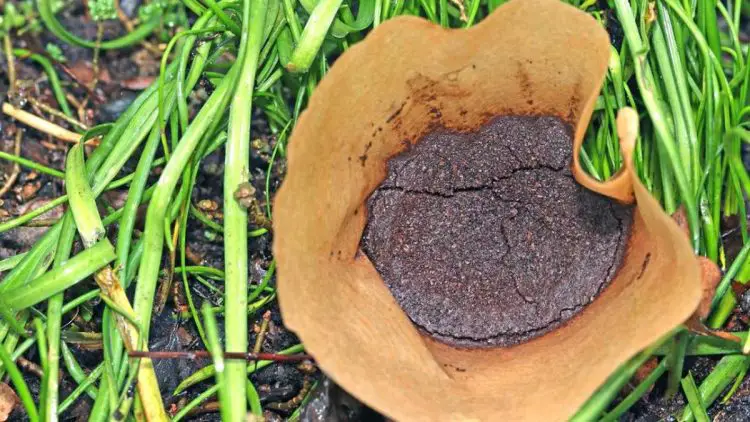
Coffee grounds are often hailed as a miracle solution for garden problems, but here are five reasons why they might not be as beneficial as you think.
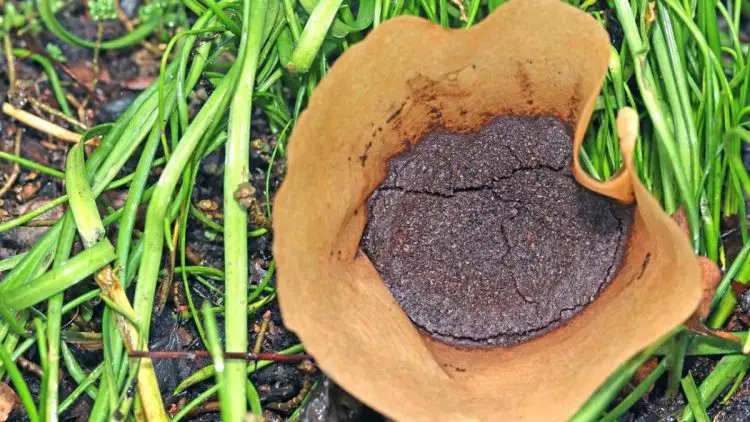
Coffee Grounds in the Garden: Why It’s Not Always a Good Idea
When researching coffee grounds for gardening, you’ll encounter a mix of advice. Some sources claim they are too acidic, while others argue the opposite. Some suggest they are great for compost, while others warn they could be detrimental. Let’s clarify these misconceptions.
1. Do Coffee Grounds Fertilize the Soil?
The theory is sound—coffee is known for its acidity with a pH of 4.5 to 5.0. However, used coffee grounds have a pH of 6.5 to 6.8, which is close to neutral and only slightly acidic. According to a study by Oregon State University, the acid in coffee grounds is water-soluble and thus less potent once brewed. Furthermore, applying coffee grounds directly to soil may negatively impact some plants and seedlings.
Alternative Tip: Urine is an incredibly effective fertilizer, often more potent than coffee grounds.
2. Are Coffee Grounds Good for Compost?
Adding coffee grounds to compost is a common practice, but it’s not always beneficial. Research has shown that coffee grounds can increase earthworm mortality and disrupt beneficial microbes due to their antibacterial properties. If you choose to use coffee grounds in your compost, mix them with plenty of “brown” materials like leaves to mitigate these effects.
Alternative Tip: Eggshells are excellent for enriching compost with calcium, promoting plant health.
3. Are Coffee Grounds Suitable as Mulch?
Although coffee grounds are organic and decompose slowly, they are not ideal as mulch. Studies indicate that uncomposted coffee grounds can inhibit plant growth, particularly for tomatoes, and affect seed germination by binding nitrogen in the soil. They also tend to compact quickly, reducing water and air flow to the soil.
Alternative Tip: For effective mulching, consider composting coffee grounds or combining them with other types of mulch.
4. Do Coffee Grounds Repel Ants?
A common myth is that sprinkling coffee grounds on ant hills will drive ants away. However, tests show that ants are not significantly deterred by coffee grounds and may simply avoid or move around them.
Alternative Tip: Instead of using coffee grounds, explore natural ant control methods that do not harm the insects.
5. Do Coffee Grounds Kill Slugs?
While caffeine is known to kill slugs, this effect is observed when caffeine is sprayed directly on plants. Coffee grounds alone, when sprinkled on the soil, do not have the same impact. The concentration of caffeine in used grounds is too low to be effective as a slug deterrent.
Alternative Tip: For slug control, consider other methods or use caffeine solutions if necessary.
By understanding these limitations, you can make more informed decisions about how to use coffee grounds in your gardening efforts.


