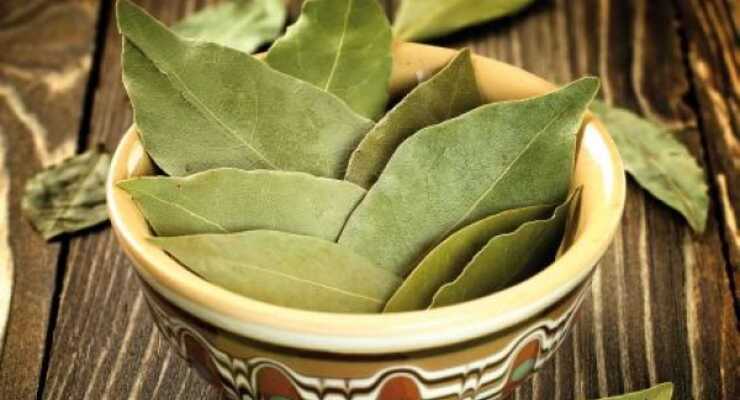
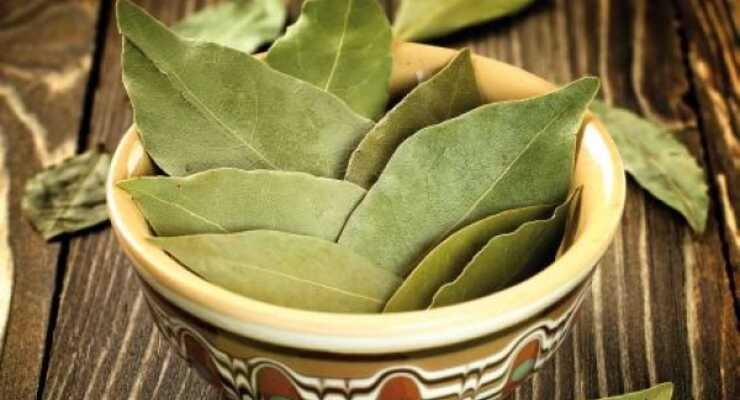
Bay leaves, derived from the laurel plant, are a staple in kitchens and traditional remedies worldwide. Known for their aromatic properties, they also boast numerous health benefits. But did you know there are specific ways to use bay leaves to fully experience their potential? Let’s explore their origins, uses, and precautions.
A Plant of History and Triumph
The laurel plant, native to the Mediterranean, has long been associated with victory and prestige. In ancient Rome, laurel wreaths symbolized triumph, and today they are used to crown graduates. Beyond its symbolism, the bay leaf is a hallmark of Italian cuisine, enhancing oils, teas, and dishes with its subtle yet exceptional flavor.
Nutritional Powerhouse
Bay leaves are rich in minerals and vitamins, including:
- Manganese, magnesium, potassium, copper, and iron
- Vitamins C, A, and B
- Folic acid
- Natural compounds like geraniol and pinerol
These nutrients contribute to the bay leaf’s many therapeutic properties, including:
- Digestive aid: Helps eliminate excess gas and soothes colic.
- Anti-inflammatory and antioxidant: Reduces inflammation and protects cells.
- Respiratory relief: Eases mucus expulsion during bronchitis or pharyngitis.
- Stress reduction: Promotes relaxation and better sleep.
- Blood sugar regulation: Helps lower glucose levels.
Practical Uses for Bay Leaves

Bay leaves are versatile and can be used in several ways to improve health and well-being:
1. Culinary Enhancer
Add bay leaves during the cooking of soups, stews, or chicken dishes for a distinctive flavor.
2. Herbal Tea for Stress and Digestion
- Boil 250 ml of water.
- Add one or two bay leaves.
- Steep for 10 minutes, then drink.
This tea helps manage anxiety, intestinal issues, and sleep problems. Drink up to three cups daily for best results.
Precautions: Toxic Varieties to Avoid
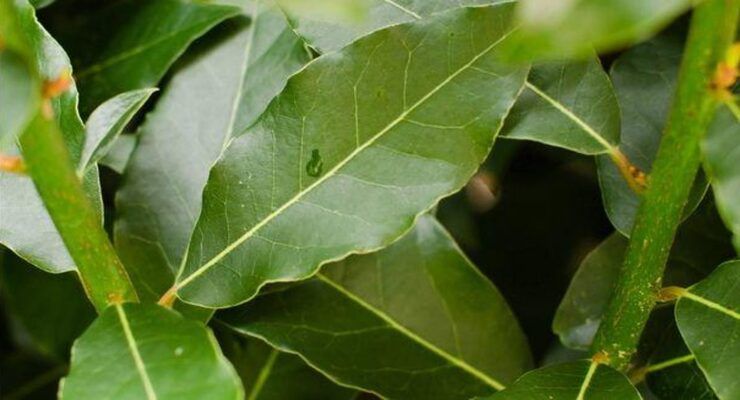
While most bay leaves are safe, it’s important to identify the correct species:
- Laurus nobilis: The most common and non-toxic bay leaf species used for cooking and remedies.
- Cherry Laurel: Often used as an ornamental plant, it contains hydrocyanic acid and should never be consumed.
- Rose Laurel: Highly toxic in all parts, this plant is dangerous and must be avoided.
If you’re harvesting bay leaves in the wild, ensure proper identification to avoid any risks.
Conclusion
From enhancing dishes to providing therapeutic benefits, bay leaves are a simple yet powerful addition to your home. However, their safety depends on using the right species and moderate consumption. Whether in your kitchen or as a natural remedy, bay leaves offer a wealth of benefits worth exploring. 🌿✨