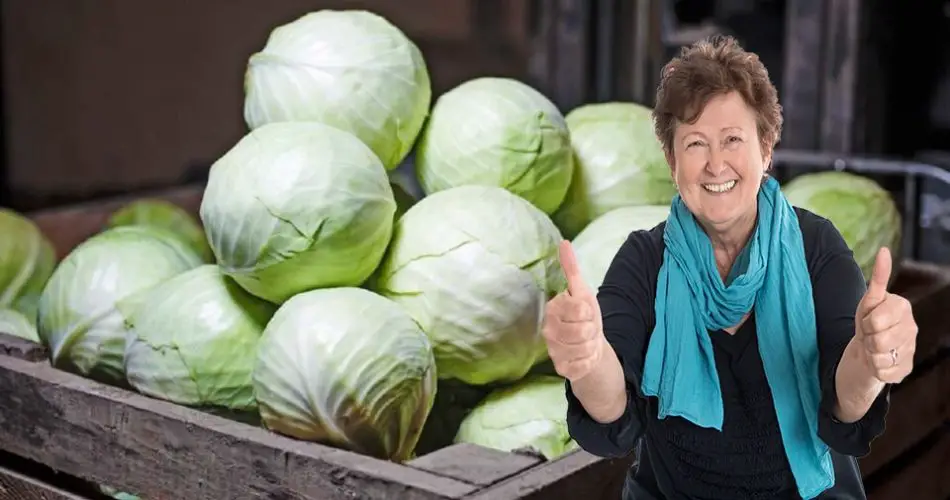
After a successful cabbage harvest in late October, preserving its quality through the winter is crucial. This article explores essential aspects of cabbage storage to prevent rot and ensure freshness until mid-spring.
Key Aspects of Proper Cabbage Storage
The foundation of successful cabbage storage begins with selecting an appropriate storage location, typically a cellar. It’s essential that the storage area maintains a stable temperature ranging from -1 to +2 degrees Celsius. Excessively low temperatures can cause cabbage to freeze, leading to subsequent decay.
Maintaining Optimal Humidity
Humidity levels also play a critical role in cabbage preservation, ideally ranging between 92% and 98%. This optimal humidity helps retain the cabbage’s juiciness and freshness throughout its storage period.
Choosing the Right Cabbages for Storage
Select only whole, dense heads of cabbage without any signs of damage or cracks for storage. These cabbages are best equipped to maintain their quality over an extended period.
Ensuring Long-Term Freshness
By adhering to these straightforward storage guidelines, you can ensure your cabbage remains fresh and delicious throughout the winter months. Proper storage not only prevents spoilage but also allows you to enjoy homegrown cabbage well into mid-spring, providing a tasty addition to your meals.


