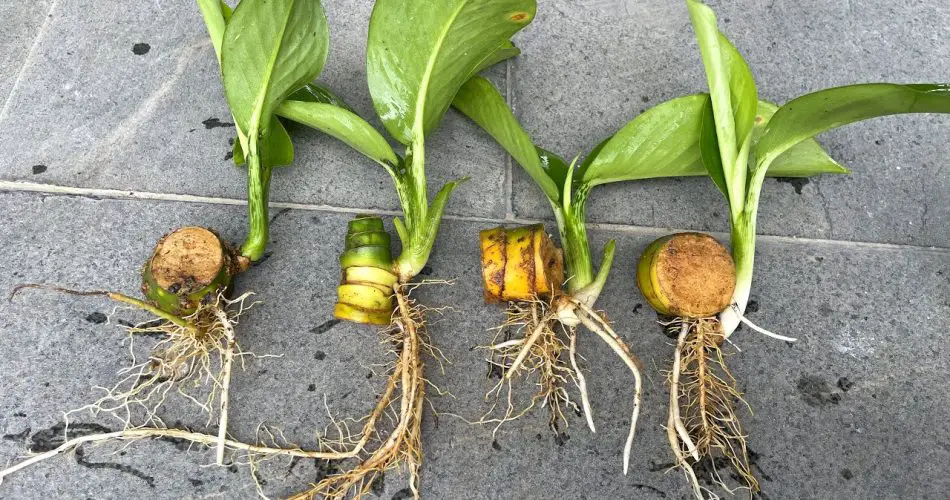
Growing Radiance: A Guide to Propagating Aglaonema SP
Aglaonema, commonly known as Chinese Evergreen, is cherished for its stunning foliage and adaptability to indoor environments. If you’re looking to expand your Aglaonema collection or share the beauty with friends, propagation is a rewarding and straightforward process. In this article, we’ll explore how to propagate Aglaonema SP, ensuring a seamless journey from a mature plant to vibrant new offspring.
- Selecting a Healthy Parent Plant: Begin the propagation process by choosing a healthy and mature Aglaonema SP as the parent plant. Ensure that the plant is free from pests and diseases, and its overall condition is robust.
- Choosing the Right Propagation Method: Aglaonema can be propagated through various methods, including division, stem cuttings, or air layering. For simplicity, we’ll focus on stem cuttings, a popular and effective technique.
- Preparing Tools and Materials: Gather the necessary tools, including sharp pruning shears or scissors, a clean cutting surface, and small pots filled with well-draining potting mix. Having rooting hormone on hand can also boost success rates.
- Taking Stem Cuttings: Identify healthy stems on the parent plant that are at least 4-6 inches in length. Using sharp, clean shears, make a clean cut just below a leaf node. Remove any leaves from the lower part of the cutting, leaving a few at the top.
- Applying Rooting Hormone (Optional): While not strictly necessary, applying rooting hormone to the cut end of the stem can encourage faster root development. Dip the cut end into the rooting hormone, ensuring a thin and even coating.
- Planting the Cuttings: Plant the prepared cuttings in small pots filled with a well-draining potting mix. Insert the cut end into the soil, ensuring that at least one node is buried. Water the soil lightly to settle it around the cutting.
- Providing Optimal Conditions: Place the pots in a location with bright, indirect light. Aglaonema prefers warmth, so maintain a temperature of around 70-75°F (21-24°C). Keep the soil consistently moist but not waterlogged to support root development.
- Root Development and Transplanting: After a few weeks, check for root development by gently tugging on the cutting. Once roots are established, the new plants can be transplanted into larger containers or directly into your garden if you live in a suitable climate.
- Caring for Young Plants: Young Aglaonema plants benefit from a balanced liquid fertilizer applied at half strength every 4-6 weeks during the growing season. As they mature, gradually transition to a standard fertilization routine.
- Enjoying the Results: With proper care and attention, your propagated Aglaonema SP plants will grow into mature, vibrant specimens, showcasing the same captivating foliage as their parent plant.
In conclusion, propagating Aglaonema SP is a gratifying process that allows you to multiply the beauty of this popular indoor plant. By following these steps and providing the right conditions, you’ll soon have a flourishing collection of Aglaonema plants to enhance your living space or share with fellow plant enthusiasts. Happy propagating!


