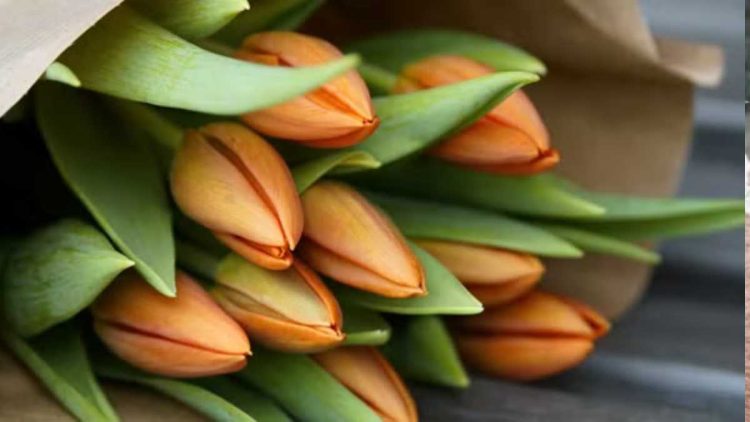
When it comes to brightening up our homes with flowers, tulips are often a go-to option, especially during the cold winter months. But while their vibrant colors bring joy, there are important environmental and sustainability considerations to keep in mind before purchasing tulips right now. Here’s why you might want to rethink that impulse buy.
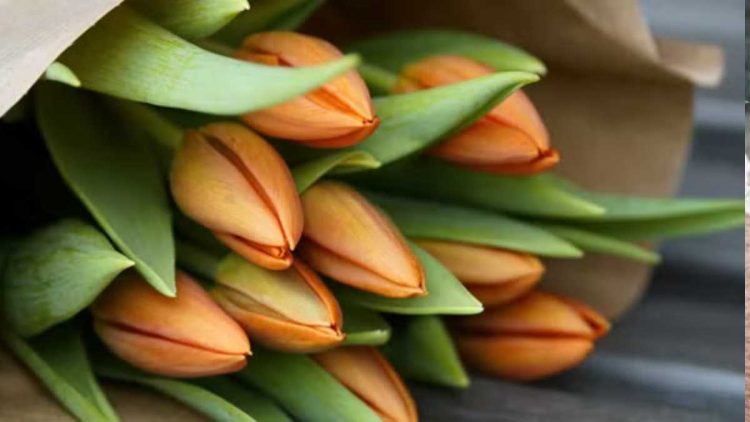
The Environmental and Ethical Issues Behind Tulips
Tulips may seem like a better option than roses, but they come with their own set of challenges. Here are some key points to consider:
- Energy-Hungry Greenhouses: Most tulips sold in winter come from greenhouses, which have significant energy needs. These controlled environments use a lot of resources to keep the flowers blooming outside their natural season. According to Emma Auerbach from the Slowflower movement, the ecological balance of tulips from greenhouses is quite poor.
- Long Transport Routes: Tulips are often grown in the Netherlands, which means they have to travel long distances before reaching your home. This adds to the carbon footprint of the flowers, especially when they’re sold in the winter months.
- Monocultures and Loss of Biodiversity: Tulip fields in the Netherlands are often vast monocultures, which can lead to problems like the loss of biodiversity and the rise of pests and diseases that resist traditional pesticides.
- Pesticides: Like many conventional flowers, tulips from the Netherlands are treated with pesticides to combat pests and fungal diseases. While the EU has stricter regulations, tulips from countries outside the EU may contain higher pesticide levels. This is a concern for both the environment and our health.
Where Do Winter Tulips Come From?
It’s not always clear where your tulips come from, as plant passports often only indicate the final stage of cultivation. Many of the tulips you find in winter come from greenhouses in the Netherlands, but some may even originate from the Global South.
Interestingly, a 2022 ornamental plant test revealed that some potted tulips contained pesticides like prochloraz, which are not allowed in the EU. This highlights the importance of knowing where your flowers come from and how they are grown.
Tips for Buying Tulips in February
If you’re eager to enjoy tulips now, here are some better choices:
- Look for Regional Nurseries: Opt for local tulips, preferably from a nearby nursery. These are likely grown under more sustainable conditions and don’t require long transport routes.
- Choose Certified Organic or Slowflower Tulips: For a more environmentally friendly option, choose tulips that are certified organic or part of the Slowflower movement. These flowers are grown with more attention to ecological balance and avoid harmful chemicals.
- Avoid Non-Seasonal Tulips: As Emma Auerbach points out, February is not tulip season, so avoid purchasing tulips that are grown out of season and forced to bloom in greenhouses.
Tulips vs. Roses: Which Is the Better Choice?
So, are tulips from the Netherlands a better choice than roses from East Africa? According to Corinna Hölzel, a pesticide expert, tulips from the Netherlands do have the advantage of shorter transport routes, as they are typically delivered by truck rather than airplane (which is common for roses from East Africa).
However, Emma Auerbach generally advises against buying flowers on Valentine’s Day, whether they are roses or tulips. She notes that Fair Trade organic roses may actually be more sustainable than a non-organic tulip grown in a Dutch greenhouse. It all depends on how the flowers are grown, transported, and treated.
Conclusion: Choose Wisely for a Greener Future
While tulips are undeniably beautiful, purchasing them in winter might not be the most sustainable option. Before buying, consider their environmental impact, the use of pesticides, and the transportation costs. For a more eco-conscious choice, go for locally grown tulips, certified organic options, or embrace seasonal flowers that don’t require heavy resources to thrive.
Happy flower shopping, but remember, sustainability should always be in full bloom! 🌷