There are natural methods to tackle the problem of pests in your garden. Avoid using pesticides!
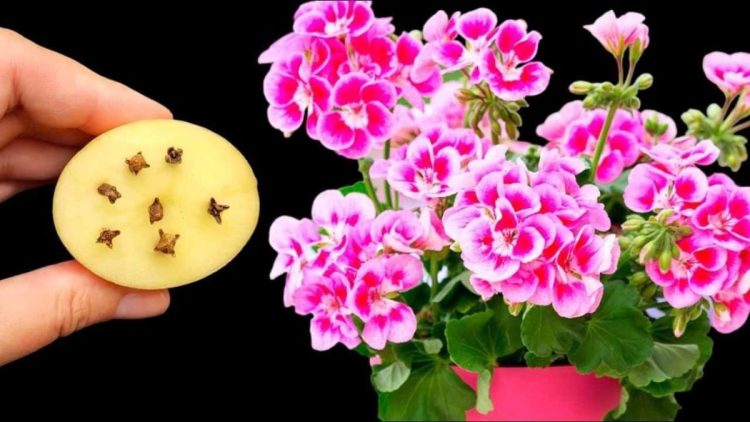
For those who love caring for their houseplants and gardening, encountering pests can be a frustrating challenge. Tiny insects, harmless to humans but harmful to plants, often invade leaves and stems.
Understanding Plant Pests
These pests, commonly known as aphids, can be a significant issue for gardeners dedicated to maintaining their indoor paradise. The presence of these insects can undo all the hard work invested in creating a beautiful oasis.
Fortunately, tackling plant pests is possible with simple and effective solutions. Below is a comprehensive guide to help you manage these pesky invaders.
What Are Plant Parasites?
There are many insects that threaten plants, but aphids are among the most well-known. These small, hemipteran insects typically measure between 1 and 3 millimeters and may or may not have wings. They possess mouthparts designed for piercing and sucking liquids, primarily feeding on the sap of both cultivated and wild plants.
Aphids are particularly harmful to beans and apple trees, and they can spread quickly, affecting nearby plants, making rose care a nightmare for some gardeners.
Identifying Infestations
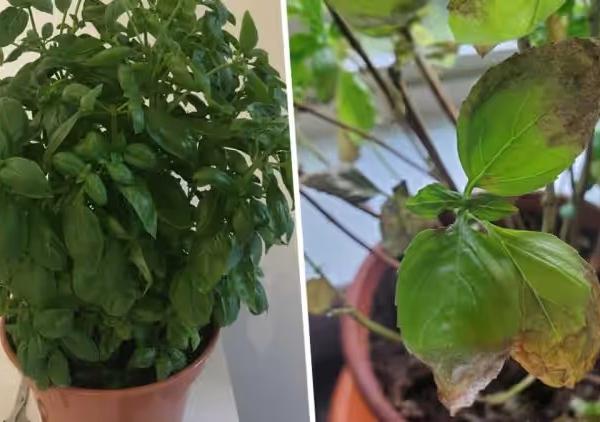
Detecting an aphid infestation is relatively easy with a quick visual inspection. They affect the overall health of leaves, changing their color and shape. While they often appear in shades of brown, yellow, or black, some aphids can be green, making them harder to spot as they blend in with the leaves.
Risks Beyond Aphids
While aphids are a common threat, they aren’t the only pests to watch out for:
- Caterpillars can quickly devour entire plants, starting with small leaves before progressing to more significant parts.
- Stink bugs pose a serious threat, especially to fruit plants like peaches, pears, and apples, causing necrosis and wilting.
- Cochineal, red spiders, and whiteflies also present risks, particularly in warm, humid climates.
Fungal Infections
In addition to insects, plants can suffer from fungal infections. Powdery mildew, for instance, appears as a white, talc-like substance on outdoor plants, affecting their health.
Why Avoid Pesticides?
Using synthetic pesticides may seem like a quick fix, but these chemicals can be harmful to the environment and human health. They can contaminate soil and groundwater, posing long-term threats to ecosystems.
Natural Remedies for Pest Control
Instead of chemicals, consider these safe and effective natural treatments:
- Neem Oil: This natural extract, derived from the seeds of the neem tree, contains Azadirachtin, which effectively eliminates pests like aphids while preserving beneficial insects like bees.
- Bacillus Thuringiensis: This is another valuable resource for controlling pests and is readily available in stores.
By adopting these natural methods, you can protect your plants and ensure a thriving, pest-free garden!