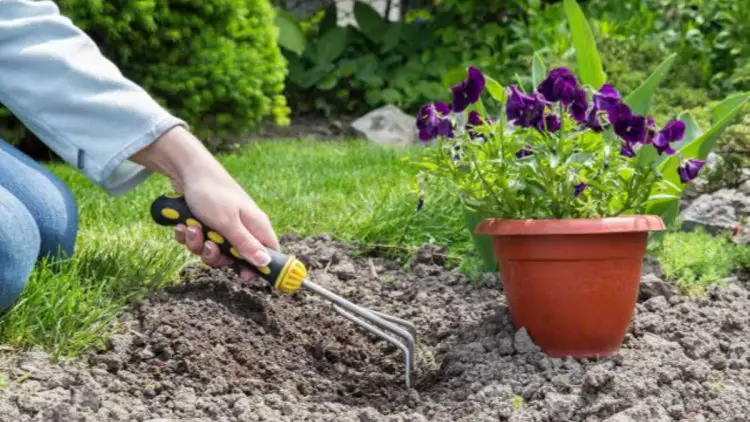
Gardening has long been recognized as a source of therapeutic benefits. From ancient Egypt to modern times, tending to plants can significantly enhance our emotional well-being. Recent studies, including one by the German University of Geisenheim, reveal that garden owners often experience greater satisfaction and contentment compared to those without a garden. If you’re looking to improve your mood and mental health, here are six tips to harness the power of garden therapy—even if you don’t have a garden of your own.
Tip 1: Garden Therapy with Vitamin D
According to the Geisenheim University study, garden owners spend about twice as much time outdoors as those without gardens. This increased exposure to sunlight can boost your vitamin D levels, which is linked to improved mental health. Low vitamin D levels are often associated with depression, so spending time outdoors in your garden can help alleviate symptoms. Try to get outside daily to reap the benefits of sunlight and enhance your mood.
Tip 2: Exercise Through Gardening
Gardening involves a variety of physical activities—digging, planting, and weeding—that can serve as a gentle form of exercise. Regular gardening can provide a balance for those who are less active in their daily lives. Studies show that physical activity, even in moderate amounts, can significantly improve mental health and overall well-being.
Tip 3: Mindfulness and Slowing Down
A garden engages all your senses—sight, sound, touch, smell, and taste. This sensory immersion can help you practice mindfulness and focus. Feel the texture of the soil, listen to the rustling leaves, and enjoy the aroma of blooming flowers. The repetitive actions of gardening, like planting or watering, can have a meditative effect, promoting relaxation and reducing stress.
Tip 4: Garden Therapy with Good Bacteria
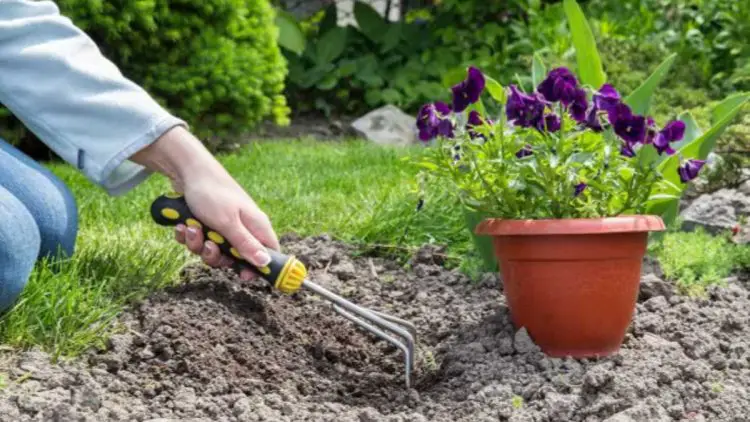
Soil is home to numerous microorganisms, including Mycobacterium vaccae. This beneficial bacterium has been shown to increase serotonin levels, which can help improve mood, especially in individuals with serotonin deficiency. Simply digging in the soil allows you to inhale these microorganisms and potentially enhance your emotional health.
Tip 5: Experience Self-Efficacy
Gardening can be challenging—pests, unpredictable weather, and plant diseases often test your patience. Overcoming these obstacles fosters a sense of self-efficacy. Successfully growing flowers, herbs, or vegetables despite these challenges can boost your confidence and provide a profound sense of accomplishment.
Tip 6: Garden Therapy Without a Garden
No garden? No problem! You can still enjoy the benefits of garden therapy:
- Indoor Plants: Many plants thrive indoors. Start a herb garden on your balcony, or keep easy-care houseplants on your windowsill to improve your living space and mood.
- Community Gardens: Look into renting a garden plot or joining an urban gardening project. Sharing a garden space with friends or neighbors can be a rewarding experience.
- Nature Walks: If gardening isn’t an option, immerse yourself in nature by taking walks in the forest or public green spaces. Activities like forest bathing in Japan highlight the therapeutic benefits of nature.
- Seed Bombs: Create and scatter seed bombs to encourage green spaces in your community. This is a fun way to contribute to local greenery and enjoy the benefits of gardening in your area.
Conclusion
Gardening offers a myriad of therapeutic benefits, from enhancing mental health and physical fitness to fostering a sense of accomplishment. Whether you have a sprawling garden or a few indoor plants, these tips can help you harness the power of nature to improve your well-being. Embrace garden therapy to cultivate not only your plants but also your happiness.


