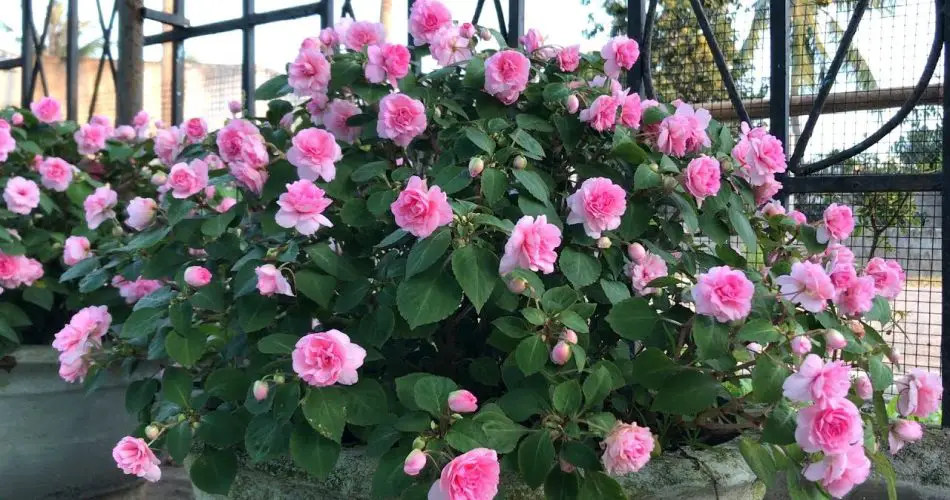
“Blossom Brilliance: A Guide to Growing Beautiful Flowers for Your Garden”
Embarking on the journey of growing beautiful flowers is a rewarding and enriching experience that adds vibrancy and charm to any garden. In this article, we share essential tips and guidelines to help you cultivate a stunning array of flowers, transforming your outdoor space into a blossoming haven of natural beauty.
Selecting the Right Flowers:
- Know Your Climate: Choose flowers that thrive in your specific climate. Consider factors such as temperature, sunlight, and rainfall to ensure you select varieties that will flourish in your garden conditions.
- Plan for Succession: Plan your flower garden with succession in mind. Choose a mix of flowers that bloom at different times of the year, providing continuous color and interest throughout the seasons.
Preparing the Soil:
- Well-Draining Soil: Ensure your garden soil is well-draining to prevent waterlogged conditions, which can be detrimental to many flower varieties. Incorporate organic matter, such as compost, to improve soil structure.
- Soil Testing: Conduct a soil test to determine the pH and nutrient levels. Adjust the soil accordingly, providing the optimal conditions for your chosen flowers.
Planting Techniques:
- Spacing and Arrangement: Follow recommended spacing guidelines when planting flowers to allow for proper air circulation and prevent overcrowding. Consider the height and growth habits of each flower to create an aesthetically pleasing arrangement.
- Planting Depth: Plant flowers at the appropriate depth. Some flowers prefer shallow planting, while others may require deeper placement. Follow individual plant specifications for the best results.
Watering and Maintenance:
- Consistent Watering: Establish a regular watering routine, providing consistent moisture to your flowers. Be mindful of each plant’s water requirements and adjust accordingly.
- Mulching: Apply a layer of organic mulch around your flowers to help retain moisture, suppress weeds, and regulate soil temperature. Mulching also adds a decorative touch to your garden.
- Deadheading: Regularly deadhead spent flowers to encourage continuous blooming. Removing faded blooms redirects energy back into the plant and promotes new flower development.
Fertilizing:
- Balanced Fertilizer: Feed your flowers with a balanced, water-soluble fertilizer during the growing season. Follow package instructions and avoid over-fertilizing, as excessive nutrients can be harmful.
- Organic Alternatives: Consider using organic fertilizers, such as compost or well-rotted manure, to nourish your flowers naturally. Organic options enhance soil health and promote sustainable gardening practices.
Pest Management:
- Monitor for Pests: Regularly inspect your flowers for signs of pests. Early detection allows for prompt intervention, preventing potential damage to your blooming beauties.
- Natural Pest Control: Embrace natural pest control methods, such as introducing beneficial insects or using neem oil, to manage pests without harming the environment or beneficial garden inhabitants.
Growing beautiful flowers for your garden is a fulfilling and creative endeavor that brings joy and color to your outdoor space. By following these guidelines, you’ll be well-equipped to cultivate a diverse and stunning collection of flowers that thrive and flourish throughout the seasons. Whether you’re a seasoned gardener or a novice, the journey of growing beautiful flowers is a continual source of inspiration and a celebration of the wonders of nature in your own backyard.


