Choosing the Right Lavender Variety and Equipment
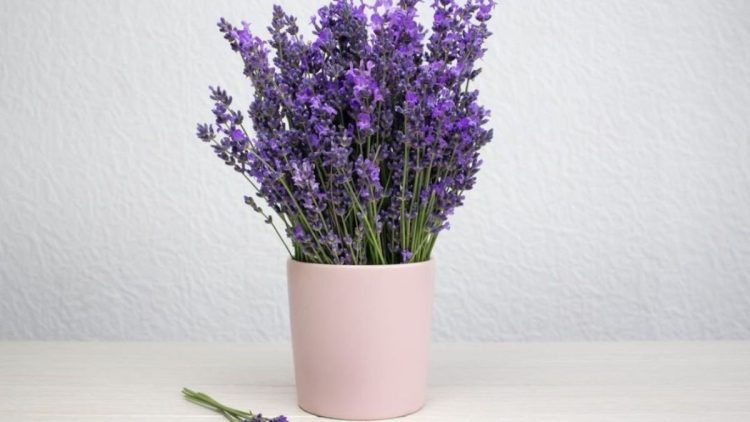
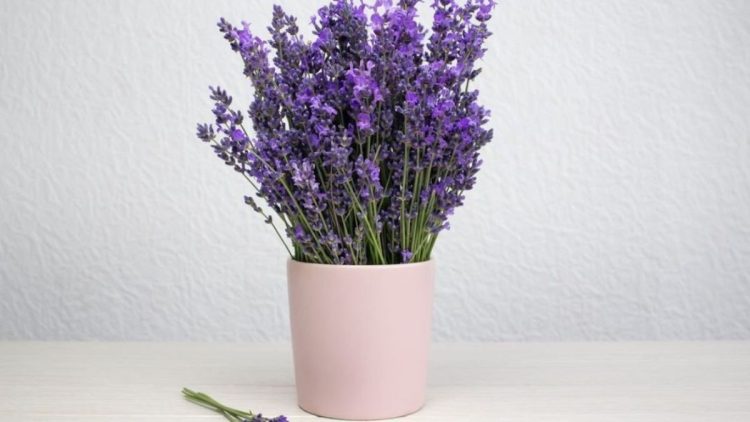
To successfully grow lavender in pots, selecting the right variety and having the proper equipment is crucial. Some varieties are better suited for indoor growing.
- True Lavender (Lavandula Angustifolia) is ideal for pots due to its hardiness and milder scent, making it perfect for indoor use. Other suitable options include Butterfly Lavender (Lavandula Stoechas) and Toothed Lavender (Lavandula Dentata).
Equipment Needed
You will need:
- A pot with drainage holes
- A light and well-draining substrate
- A stake for support
- Additional lighting if necessary
Good drainage is essential, as lavender does not tolerate excess water. To ensure proper drainage, start by placing a layer of gravel or clay pebbles at the bottom of the pot. Then, prepare the substrate by mixing:
- 50% universal potting soil
- 25% coarse sand
- 25% well-rotted compost or dried manure
This light, well-permeable mixture allows lavender to grow without the risk of root rot.
Planting and Positioning Lavender
Once your pot and substrate are ready, follow these steps to plant your lavender:
- Fill the pot with the prepared substrate, leaving about 2 cm from the edge.
- Carefully remove the lavender from its original pot, untangling any roots if necessary.
- Place the lavender in the center of the pot, adding substrate around the roots and compacting it slightly.
- Water thoroughly to moisten the substrate, ensuring water drains properly through the holes.
- Position the pot in a sunny spot, ideally near a south or west-facing window. Lavender requires at least 6 hours of direct light daily. If natural light is insufficient, consider using additional lighting like a garden or LED lamp.
Lavender thrives in a cool environment with temperatures between 15 and 22 °C. Avoid placing the pot near radiators or heat sources.
Caring for Lavender: Watering, Pruning, and Fertilizing
To keep your potted lavender thriving indoors, focus on proper care:
- Watering: Lavender is drought-resistant, so water moderately, allowing the substrate to dry slightly between waterings. Reduce watering in winter during its dormant phase.
- Pruning: Regular pruning encourages growth and maintains a compact shape. Remove spent flowers and overhanging stems. In late winter, prune back about a third of the plant, but avoid cutting into old wood to prevent damage.
- Fertilization: Lavender doesn’t require much fertilizer. However, adding an organic fertilizer in spring and summer can help. Choose one that is high in potassium and low in nitrogen, such as wood ash or potash.
Fighting Parasites and Diseases
Lavender is generally resistant to pests and diseases, but you can take precautions to prevent issues:
- Pests: Watch for aphids, scale insects, and red mites. Keep them at bay by regularly spraying the plant with soapy water or using natural insecticides like neem oil. Introduce beneficial insects like ladybugs to control aphids.
- Diseases: Lavender may be susceptible to diseases such as powdery mildew, rust, and root rot. Prevent these issues by practicing good hygiene (clean pots and tools), avoiding overwatering, and ensuring good air circulation.
By following these tips, you can successfully grow lavender in pots at home, enjoying its captivating scent and relaxing properties all year long!