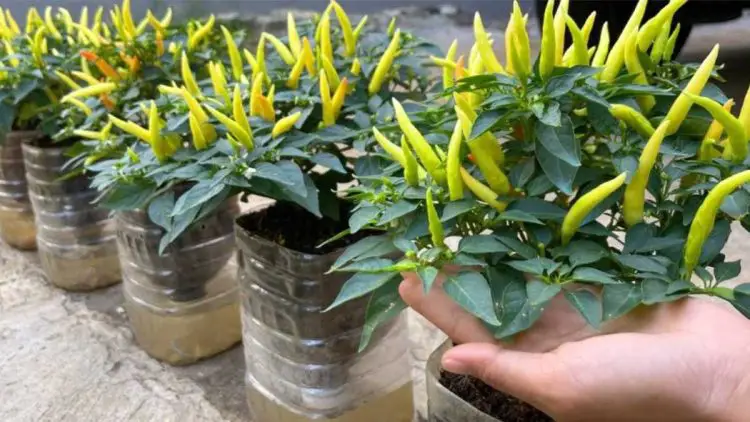
In today’s world, where environmental awareness is becoming increasingly important, gardeners are turning to creative, sustainable solutions. One such innovative method is growing peppers in plastic bottles. This technique not only helps reduce plastic waste, but also provides a practical solution for growing peppers in limited spaces. In this article, we’ll guide you through the steps of growing peppers in plastic bottles and highlight the environmental and practical benefits of this method.
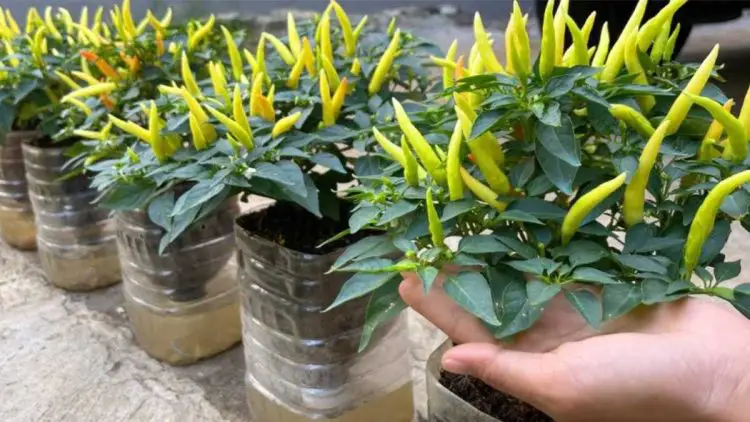
Reusing Plastic Bottles for Sustainable Gardening
Plastic pollution is a major environmental issue, with millions of plastic bottles ending up in landfills and oceans daily. Repurposing these bottles for gardening is a small yet impactful way to reduce waste. By transforming plastic bottles into planters, you’re not just recycling; you’re actively contributing to a healthier planet. This process of turning waste into something useful is known as upcycling.
Materials Needed
To start growing peppers in plastic bottles, you’ll need a few basic materials:
- Plastic Bottles: Choose bottles of an appropriate size, preferably with a screw cap. Two-liter bottles are ideal for larger pepper plants, while smaller bottles work well for dwarf pepper varieties.
- Potting Soil: Opt for well-drained potting soil that will provide the necessary nutrients for healthy plant growth.
- Pepper Seeds or Seedlings: Choose high-quality seeds or plants from a reliable source, based on your preferences and local growing conditions.
- Sharp Scissors or Utility Knife: These tools are used to cut and shape the plastic bottles.
- Watering Can or Spray Bottle: Essential for maintaining the right moisture level.
- Fertilizer: You may need a balanced liquid fertilizer, depending on your choice of soil.
Step-by-Step Guide to Growing Peppers in Plastic Bottles
- Prepare the Bottles:
- Remove labels and caps from the plastic bottles.
- Rinse them thoroughly to eliminate any residue.
- Cut the Bottles:
- Using scissors or a utility knife, carefully cut the bottles in half. The bottom half will serve as your pepper pot.
- Drill Drainage Holes:
- Create several small holes at the bottom of the bottle using a sharp object like a nail or drill. These holes are crucial for drainage, preventing water buildup that can cause root rot.
- Fill with Potting Soil:
- Fill the bottom half of the bottle with potting soil, leaving a few inches from the top to prevent spillage when watering.
- Plant the Seeds or Seedlings:
- If using seeds, follow the planting depth and spacing instructions on the seed packet.
- For seedlings, make a small hole in the soil, then gently place the seedling’s root ball into the hole and cover it with soil.
- Watering and Care:
- Water your peppers regularly, ensuring the soil stays moist but not waterlogged.
- Place the bottle in a sunny location that receives at least 6 hours of sunlight daily.
- Keep an eye on potential pests and diseases, and take action as needed.
- Fertilizing:
- Depending on the potting soil, you may need to fertilize the peppers every few weeks with a balanced liquid fertilizer to support their growth.
- Support the Plants:
- As your pepper plants grow, they might need some support. Use stakes or other materials to help keep them upright.
Benefits of Growing Peppers in Plastic Bottles
- Environmental Impact: By reusing plastic bottles for gardening, you contribute to reducing plastic waste, helping to clean up the environment.
- Space Efficiency: This method is ideal for urban gardening or areas with limited space. You can even arrange bottles vertically to maximize space.
- Controlled Environment: Plastic bottles create a mini microclimate, helping to retain moisture and regulate temperature, both of which are essential for healthy plant growth.
- Cost-Effective: Plastic bottles are easily accessible and inexpensive, making this method both affordable and practical.
- Educational Opportunity: This gardening technique provides an excellent chance to teach sustainable practices in schools and community groups, encouraging more people to adopt eco-friendly habits.
Growing peppers in plastic bottles is a great way to practice sustainable gardening while making the most of your space. By reusing plastic waste, you not only contribute to a cleaner environment but also enjoy fresh, homegrown peppers right at your doorstep. So, why not give it a try? Your peppers—and the planet—will thank you!