Did you know that some plants are believed to bring unwanted consequences when kept inside your home? While houseplants are usually a source of beauty and positive energy, certain species, according to Feng Shui philosophy, can disrupt harmony and influence mental and emotional well-being.
Let’s explore which plants are considered less suitable for indoor spaces and why they should stay outdoors.
The Influence of Feng Shui on Houseplants
Feng Shui, an ancient Chinese philosophy, emphasizes achieving the right balance and harmony in living spaces. It suggests that every object, including plants, plays a role in shaping the energy of a home.
While these principles lack scientific backing, they remain popular for their focus on cultivating positive energy and avoiding negativity. Here are the plants Feng Shui advises against keeping indoors:
1. Carnations
Why to Avoid:
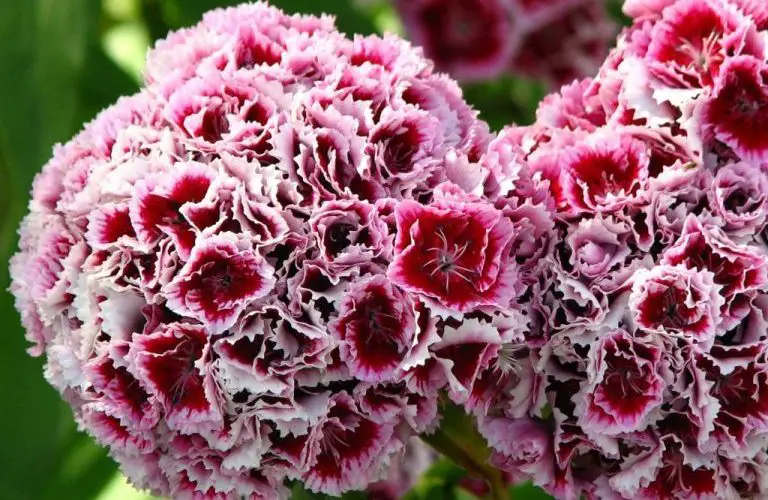
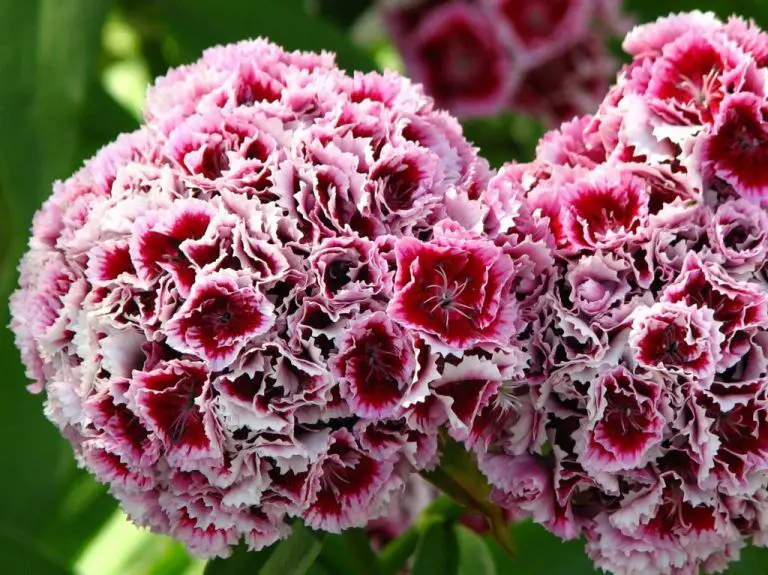
Carnations are admired for their vibrant blooms and variety of colors. However, Feng Shui suggests they release negative energy that can affect the home and its occupants, draining positivity and balance.
Solution:
To avoid their supposed negative influence, keep carnations outside, such as on a balcony or terrace. This way, you can enjoy their beauty without disrupting your indoor harmony.
2. Hydrangeas and Geraniums
Why to Avoid:
Both hydrangeas and geraniums are prized for their decorative appeal and stunning flowers. Yet, according to Feng Shui, these plants symbolize loneliness and isolation, potentially absorbing excessive energy that might hinder interpersonal relationships.
Solution:
Grow these plants outdoors to avoid their negative impact on your indoor environment while still enjoying their breathtaking blooms.
3. Pothos (Devil’s Ivy)
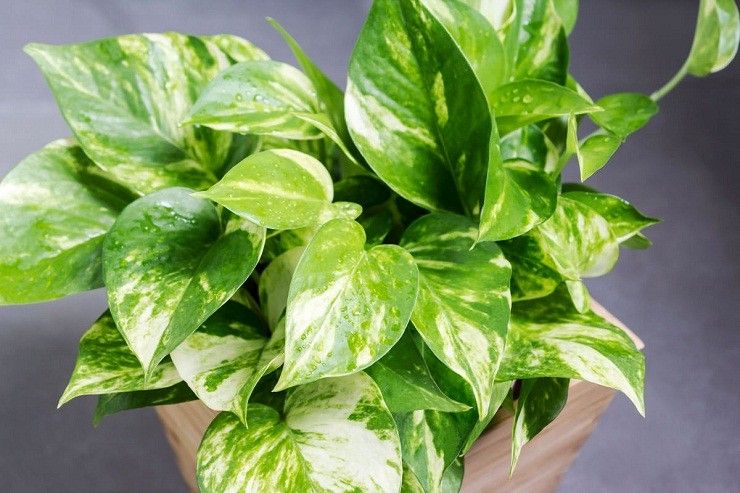
Why to Avoid:
This popular climbing plant is easy to grow and adds a lush, decorative touch. However, Feng Shui claims that pothos consumes large amounts of energy—often negative—that can foster conflicts, fatigue, and insomnia.
Solution:
Keep pothos outdoors where it can thrive without affecting your mental well-being.
4. Bonsai
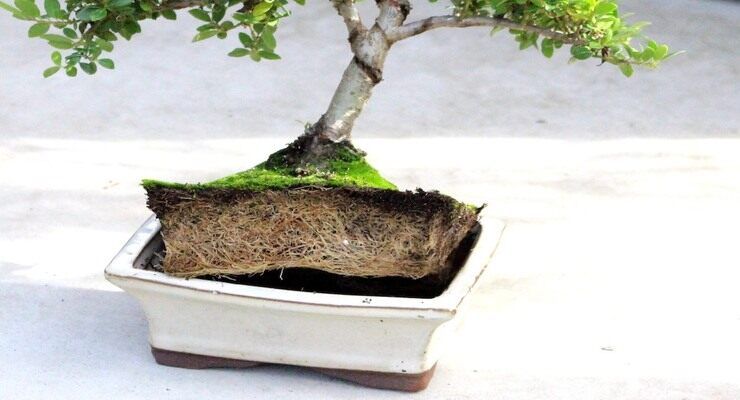
Why to Avoid:
Though bonsai trees symbolize patience and meditation, Feng Shui views them as representing limitations and obstacles. Their energy is believed to hinder personal growth and create stagnation in daily life.
Solution:
Place bonsai trees on your balcony or in an outdoor space to enjoy their aesthetic beauty without bringing their restrictive symbolism into your home.
The Takeaway
While the principles of Feng Shui may not have scientific evidence, they highlight the importance of intentional living and the energy we cultivate in our homes. If you feel a plant might negatively influence your indoor environment, consider placing it outside where its beauty can still be appreciated.
By selecting the right plants for your indoor spaces, you can create a more balanced, harmonious, and positive living environment—and surround yourself with the uplifting energy that houseplants bring! 🌱✨