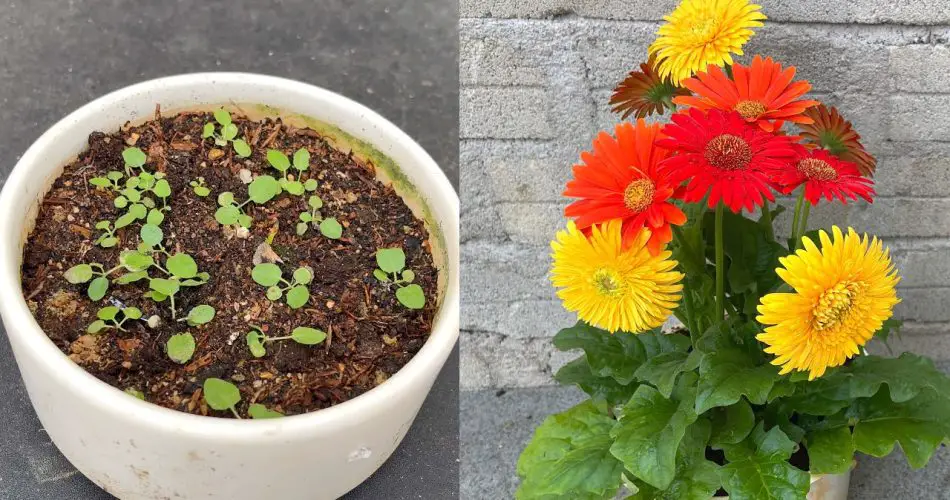
Unveiling Nature’s Palette: Breeding Gerbera Jamesonii Flowers with Three Colors on One Plant
Introduction: Gerbera jamesonii, commonly known as Gerbera Daisy, is celebrated for its vibrant and diverse colors. Imagine the allure of a single plant showcasing three distinct hues. Unleash the secrets of breeding Gerbera jamesonii flowers with a mesmerizing tricolor display, adding a touch of natural artistry to your garden.
1. Understanding Gerbera Jamesonii:
- Gerbera jamesonii is renowned for its large, colorful blooms and is available in a spectrum of shades.
- Breeding for multiple colors on one plant requires a basic understanding of the flower’s genetics.
2. Selecting Parent Plants:
- Opt for Gerbera jamesonii plants with single-colored blooms as parent plants.
- Choose parents with contrasting colors to increase the likelihood of a tricolor outcome.
3. Pollination Process:
- Begin by identifying the flowers you want to cross-pollinate. Ensure they are receptive and in full bloom.
- Gently transfer pollen from the stamen of one flower (donor) to the stigma of another (receptor) using a fine brush or cotton swab.
- Repeat the process with different color combinations to create diverse genetic combinations.
4. Seed Harvesting:
- Once pollination is successful, seeds will begin to develop in the flower’s ovary.
- Allow the seeds to mature and the flower to wilt naturally before harvesting.
5. Germination and Seedling Care:
- Plant the harvested seeds in a well-draining potting mix.
- Maintain optimal moisture levels and provide adequate sunlight for germination.
- Transplant seedlings to individual pots when they develop a few leaves.
6. Selecting Tricolor Progenies:
- As seedlings grow, observe the emerging flowers for tricolor variations.
- Select plants displaying the desired three-color combination.
7. Cultivating Mature Plants:
- Transfer selected plants to the garden or larger containers for mature growth.
- Ensure they receive proper sunlight, water, and nutrients for robust blooming.
8. Patience and Observation:
- Recognize that not all plants may exhibit tricolor blooms, and some may resemble the parent plants.
- Patience is key, as the tricolor pattern may become more pronounced in subsequent generations.
9. Enjoying the Blooms:
- Revel in the beauty of your carefully bred Gerbera jamesonii plants, showcasing the delightful fusion of three distinct colors on one captivating flower.
Tips:
- Experiment with various color combinations during pollination to achieve unique tricolor variations.
- Regularly deadhead spent blooms to encourage continuous flowering.
Breeding Gerbera jamesonii flowers with three colors on one plant is a rewarding journey that combines horticultural skill with the beauty of nature. With a strategic approach to pollination and thoughtful selection, you can cultivate Gerbera Daisies that stand out as vibrant masterpieces in your garden.


