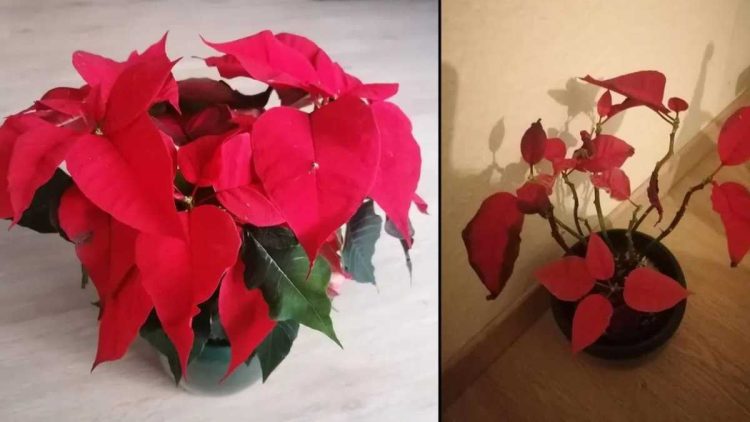
Poinsettias are a beloved indoor plant, especially during the winter months, when their colorful leaves add festive cheer to homes. By following a few simple care steps, you can enjoy your poinsettia and its vibrant blooms for many years. Whether it’s watering, pruning, or fertilizing, here are six key things to consider when caring for your poinsettia.
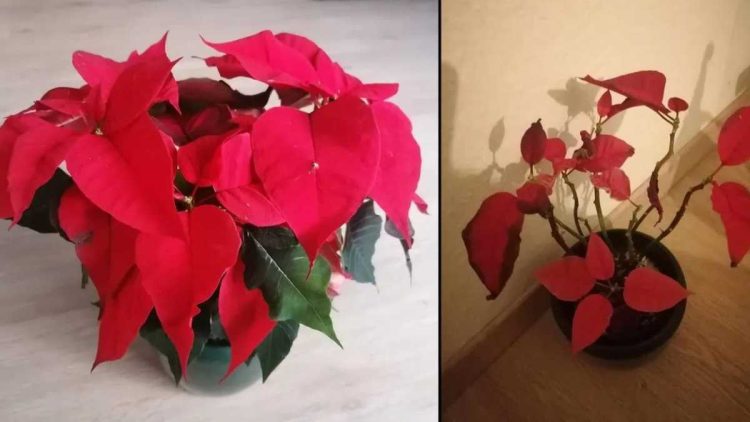
1. Choosing the Right Location for Your Poinsettia
As a tropical plant, the poinsettia thrives in a warm, bright location, but it does not tolerate direct sunlight well. Be mindful of cold drafts, as they can cause the plant to lose its leaves or even die. The ideal room temperature for your poinsettia is between 18°C and 20°C. Avoid placing it directly on a windowsill or above a radiator. If you keep your poinsettia outdoors during the summer, make sure to bring it inside when the temperature drops below 12°C.
2. Watering and Fertilizing Your Poinsettia
Poinsettias do not like stagnant moisture. Always make sure the soil is dry to the touch before watering. The best way to water is to use a saucer or a planter so the soil can absorb water gradually. After about 20 minutes, discard any excess water. Yellow leaves are a sign that the plant is sitting in overly wet soil. During the flowering period and growth phase (summer), you should fertilize your poinsettia every two weeks with a complete fertilizer.
3. Repotting Your Poinsettia
Poinsettias can thrive for many years and become beautiful shrubs if properly cared for. Repot your plant immediately after purchase or at the start of the growth phase in late spring. Many poinsettias are sold in poor-quality soil or treated with growth inhibitors that stunt their growth. Choose a cactus potting soil that drains well to prevent waterlogging. Also, make sure the new pot is not too large; otherwise, the plant may grow quickly but produce fewer bracts.
4. Encouraging Red Leaves on Your Poinsettia
In the spring, when your poinsettia sheds its colorful leaves, it will regrow new, deep green leaves. To trigger the vibrant red bracts and new flowers, the plant must not receive more than 12 hours of light per day in autumn. From October onwards, place the plant in a room that is dark in the evening, or cover it with a cardboard box or bucket for 12-14 hours daily. If not kept in the dark, your poinsettia’s colorful bracts may not appear until later in January or February.
5. Pruning Your Poinsettia
After the poinsettia has finished flowering, it’s time to prune it. Trim any long, weak shoots or sections that have few leaves. You can even cut the plant down to its woody parts. Pruning encourages the plant to bud again and form new leaves. After pruning, move the plant to a slightly brighter location to help it grow healthily and vigorously.
6. What to Look for When Buying a Poinsettia
When buying a poinsettia, check that the flowers are still in bud between the colorful bracts. If most of the buds are open or have already fallen off, the plant may be past its prime. Avoid purchasing plants with yellow leaves, and steer clear of poinsettias that have been exposed to outdoor cold or drafts, such as those in the entrance of a supermarket. Lastly, be sure to protect the poinsettia from cold during transport.
Conclusion
Caring for your poinsettia is straightforward with a little attention to detail. By following these six simple tips, your poinsettia will thrive and continue to bring festive cheer into your home for years to come. Happy holidays!