Basil is a staple herb for dishes like pizza and pasta. Harvesting and drying this popular herb is a straightforward process.
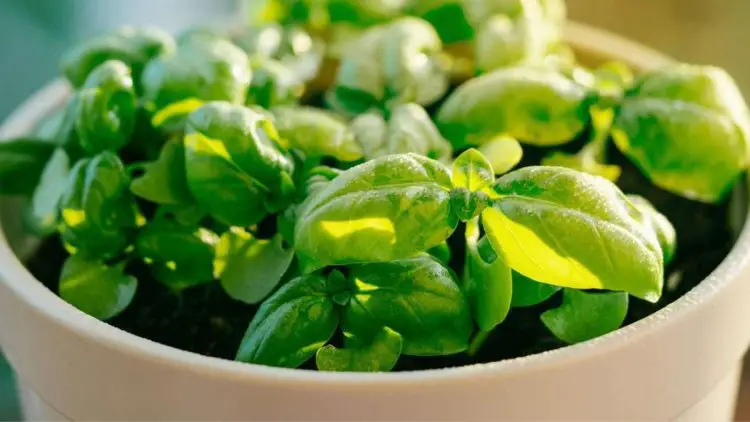
As the seasons change, plant owners should prepare their garden and balcony for winter, while also tending to indoor plants. Basil is particularly sensitive to cold, making it essential to harvest and dry the leaves before the temperature drops.
Drying Basil After Harvest: Accessories and Air Matter
Basil not only enhances the visual appeal of dishes but also significantly improves their flavor. If you prefer to avoid store-bought dried basil, you can easily dry the leaves at home using a few simple tools.
Similar to preserving rosemary, you can dry basil using string, wire, or a thin rubber band. Here are some tips to follow before drying:
Drying Basil: Gather Leaves After Harvesting and Store Properly
Instead of plucking individual leaves, cut the desired amount from the stems using scissors. It’s best to only remove the amount of stem necessary for hanging later.
The flavor of homemade basil is most intense when the plant is about to flower. After gathering the leaves, tie them together using wire, string, or a similar material. Ensure there is enough space between the stems in the bundle to prevent mold growth.
To avoid any unwanted mold during the drying process, hang the tied bunches upside down in a location with ample fresh air. The ideal drying environment should be warm, dry, and mostly dark.
Drying Basil at Home: A Helpful Tip After Harvesting
It takes about two weeks for the basil to dry completely. A simple trick to check if the drying process is successful is to pick one leaf from the bunch and rub it between your fingers. If it crumbles easily, the drying is complete. You can then store the dried basil in a sealable jar.
By following these steps, you can enjoy the wonderful flavor of dried basil all year round!