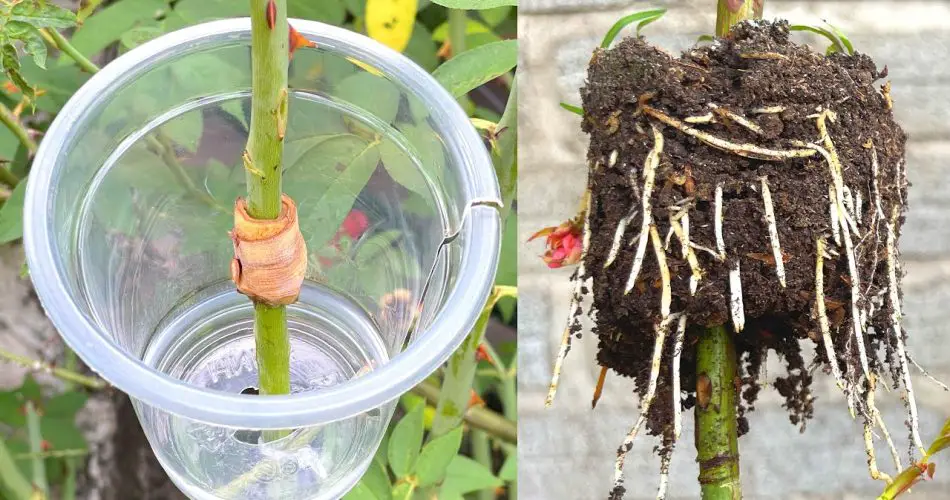
A Blooming DIY: Simple Steps to Extract Rose Branches at Home Anytime
Bringing the beauty of roses into your home or garden doesn’t have to be a daunting task. In fact, extracting rose branches at home is a remarkably simple process that you can accomplish anytime, regardless of the season. Whether you’re looking to propagate your favorite rose varieties or simply want to adorn your space with these timeless blooms, follow these easy steps to harvest rose branches at your convenience.
The DIY Process:
- Selecting the Right Time: a. The beauty of extracting rose branches at home is that you can do it in any season. b. However, aim for a time when the roses are in a dormant or semi-dormant state for the best results.
- Choosing Healthy Rose Plants: a. Identify healthy and disease-free rose plants in your garden. b. Opt for plants with strong, mature stems that are free from any signs of pests or diseases.
- Preparing Cutting Tools: a. Use clean and sharp pruning shears or scissors to make precise cuts. b. Disinfect your cutting tools before and after use to prevent the spread of diseases.
- Selecting Rose Branches: a. Choose stems that are at least 8 to 12 inches long and have a diameter of about 1/4 to 1/2 inch. b. Look for stems with at least two sets of healthy leaves.
- Making Clean Cuts: a. Make a clean, slanting cut just above a leaf node using your pruning shears or scissors. b. Remove any excess leaves, leaving only the top set for photosynthesis.
- Applying Rooting Hormone (Optional): a. To enhance the chances of successful root development, you may dip the cut end of the rose branch into rooting hormone. b. This step is optional but can increase the success rate of your cuttings.
- Planting or Rooting in Water: a. Choose your preferred method for rooting – you can either plant the cuttings directly in soil or root them in water. b. If rooting in water, place the cut end of the rose branch in a container with water, ensuring at least one node is submerged.
- Providing Ideal Conditions: a. Whether rooting in soil or water, ensure the cuttings are placed in a location with bright, indirect light. b. Maintain consistent moisture levels, and monitor for signs of root development.
Benefits of Home Extraction:
- Cost-Effective Propagation: Extracting rose branches at home is a cost-effective way to propagate new rose plants without the need for purchasing additional ones.
- Year-Round Accessibility: The simplicity of this process allows you to extract rose branches at any time of the year, offering year-round accessibility to your favorite roses.
- Personalized Rose Collection: Create a personalized rose collection by propagating branches from your existing rose plants, ensuring a unique and diverse array of blooms.
Unlock the beauty of roses by mastering the art of extracting rose branches at home. With these simple steps, you can propagate your favorite roses and enjoy their timeless elegance anytime, all while adding a personal touch to your garden or indoor space. Whether you’re a seasoned gardener or a novice, this DIY approach ensures that the beauty of roses is just a few steps away.


