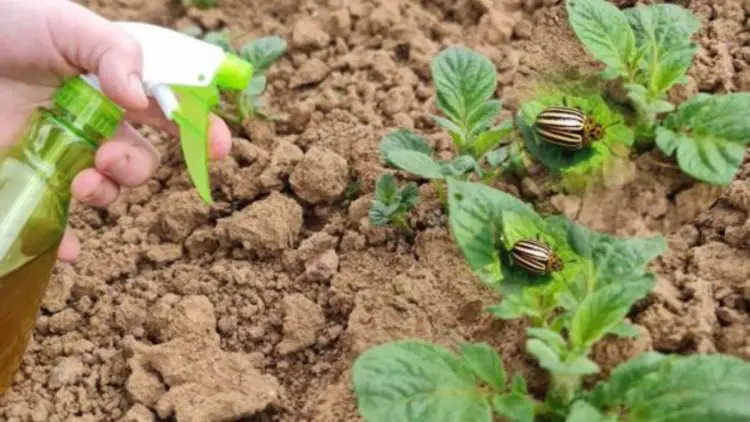
The Colorado potato beetle is a notorious pest that can wreak havoc on your potatoes, tomatoes, peppers, and other nightshade plants. These pests reproduce quickly and are extremely voracious, making it essential to act fast if you want to protect your plants. Here’s how to fight Colorado beetles naturally and keep your garden healthy.
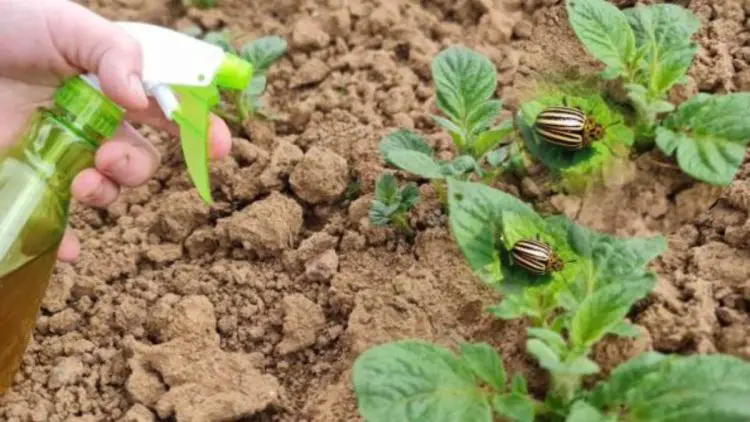
The Colorado Potato Beetle: A Destructive Pest
The Colorado potato beetle (Leptinotarsa decemlineata) is a beetle known for its distinctive yellow body with black spots. The adult beetle is typically 10-12 mm long, and its larvae are orange-red with black spots. Originally from the United States, it spread to Europe in the 1920s, causing severe damage to crops and even leading to special laws for pest control in France and England.
Once the beetle overwintering in the soil comes out in the spring, it lays 700-2,000 eggs on host plants. The larvae hatch and devour the leaves, flowers, and fruit of your plants, causing skeletonization. This damage can quickly become severe if not addressed.
Identifying the Colorado Potato Beetle
You can easily identify the Colorado potato beetle by looking for the adult beetles or larvae on your plants. The adult beetles are typically found in large groups, where they consume the foliage of the plant. The larvae are the main culprits in causing significant damage.
Natural Methods to Protect Your Potatoes from Beetles
- Crop Rotation
Crop rotation is one of the best methods for reducing the presence of Colorado potato beetles. However, it may not be as effective in small gardens or for those growing plants in close proximity. The beetles can travel short distances, so rotating crops may not always provide full protection. - Use of Bait Plants
A simple method to combat Colorado potato beetles is to use bait plants. You can grow a few potato plants in a miniature greenhouse and then transplant them in early May. These plants attract the adult beetles, which can then be captured and removed before they can harm your main crops. - Remove Weeds and Host Plants
Weeds such as Datura stramonium, Atropa Belladonna, and Solanum Dulcamara serve as host plants for the beetle. By eliminating these weeds from your garden, you can reduce the chances of a Colorado potato beetle infestation.
Organic Methods to Combat the Colorado Potato Beetle
If you’re looking for organic methods to control the beetle, there are several natural solutions that can be highly effective.
- Bacillus-Based Insecticides
Organic insecticides containing Bacillus thuringiensis are an excellent choice for controlling beetles naturally. These products disrupt the digestive systems of insects, leading to their death. Be sure to apply the solution to the leaves and reapply after rain for maximum effectiveness. - Neem Oil
Neem oil, which contains the active compound Azadirachtin, is another powerful natural solution. Neem oil has multiple benefits:
- It works by both ingestion and contact with the beetles, penetrating plant tissues.
- It acts as a repellent, preventing the beetles from feeding.
- It can also help to combat aphid infestations and prevent the beetles from reproducing.
- Insecticidal Soap and Oils
Natural insecticidal soaps or oils can help control pests without harming beneficial insects. These products are effective for managing Colorado potato beetle larvae and other pests while being safe for organic gardening. - Acetamiprid
For a more systemic solution, acetamiprid is a type of pesticide that is absorbed by the plant and provides long-lasting protection. This solution is effective against larvae and can help control the presence of aphids. It’s particularly beneficial when used in combination with other natural remedies.
Timing and Application for Maximum Effect
The best time to treat your plants is when the first larvae appear. These early larvae are often more destructive than adults and form the foundation for future generations. Use the natural remedies mentioned above, making sure to apply them evenly and reapply after rain to ensure continuous protection.
Conclusion
Protecting your plants from Colorado potato beetles doesn’t have to mean using harsh chemicals. By incorporating natural solutions like crop rotation, bait plants, neem oil, and Bacillus-based insecticides, you can effectively manage these pests in an environmentally friendly way. Keep your garden healthy and thriving with these easy-to-implement methods, and enjoy a beetle-free harvest!


