
Growing parsley in pots indoors is a simple task that requires minimal effort. This aromatic herb is essential in our kitchens, enhancing everything from simple dishes to elaborate recipes. Here’s how to ensure you have fresh parsley at your fingertips year-round!
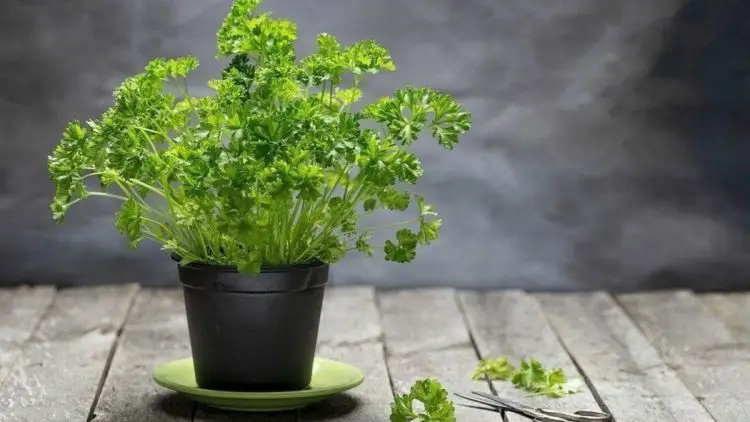
The Complete Guide to Growing Parsley Indoors
Parsley is a culinary staple that can be grown easily at home. By cultivating it in pots, you not only have fresh herbs readily available but also add a natural decorative touch to your space. Let’s explore how to successfully grow parsley indoors!
Planting Parsley
To plant parsley successfully, keep these two important tips in mind:
- Biennial Plant: Although parsley is a biennial plant, it’s best grown for just one year as it tends to lose its flavor in the second year. This means you need to sow new seeds every year.
- Choose the Right Container: Select a wide pot with drainage holes at the bottom and a saucer to collect excess water. Begin planting in early spring.
Once you have your pot, fill it with organic herb potting soil. Sow the seeds about 2 cm deep and water them thoroughly. Regular watering is essential; keep the soil moist but not soggy. Your seedlings should start appearing within three weeks. If too many seedlings emerge, thin them out by snipping the excess with sharp scissors or pinching them off to avoid damaging the surrounding roots.
Ideal Location for Indoor Parsley
Growing parsley indoors is straightforward, especially regarding its placement. Experts suggest keeping it on a windowsill in the kitchen, where steam and moisture from cooking help maintain humidity. If placed in another room, remember to mist the leaves occasionally.
Mastering Watering Techniques
Once planted, mastering watering is crucial for healthy parsley. Keep the soil slightly moist and regularly check the saucer to prevent water from stagnating at the roots. In a humid kitchen environment, light watering will suffice. If your parsley is in a drier area, water more frequently, especially if the leaves appear dry. Always empty the saucer after watering.
Fertilizing Your Parsley
Regular fertilization is key during the growing phase. Use a high-quality water-soluble fertilizer every two weeks during watering. Alternatively, consider using a homemade natural fertilizer—it’s practical, economical, and 100% organic!
Harvesting and Storing Parsley
You can start harvesting parsley once it has developed true leaves, ideally waiting until there are at least 10 leaves for strength. Pick leaves from the outside of the plant, ensuring not to harvest more than half at a time. Regularly trimming small branches will encourage new growth, providing a continuous supply of fresh leaves.
For storage, freshly cut parsley can be kept like flowers in a glass of water or wrapped in damp paper towels in the refrigerator. For long-term storage, choose one of these methods:
- Freezing: Wash the leaves thoroughly, pat them dry, and let them dry for about 30 minutes. Place the leaves in freezer bags and store them in the freezer.
- Drying: Follow the same washing and drying steps, then dry the parsley completely in a dehydrator or air-dry it. Store the dried parsley in an airtight glass jar.
Remember, while dried or frozen parsley may not be ideal for salads, it’s excellent for cooking!
Clever Tips for Growing Parsley Indoors
To successfully cultivate parsley in pots, consider these helpful habits:
- Soak the Seeds: Soak parsley seeds in water for 24 hours before planting. This helps with germination.
- Spacing: Sow the seeds in rows with a spacing of about 20 cm.
- Companion Planting: If mixing herbs in a planter, parsley pairs well with chives, sorrel, and basil.
By following this guide, you’ll have fresh parsley growing in your kitchen, ready to enhance your culinary creations!


