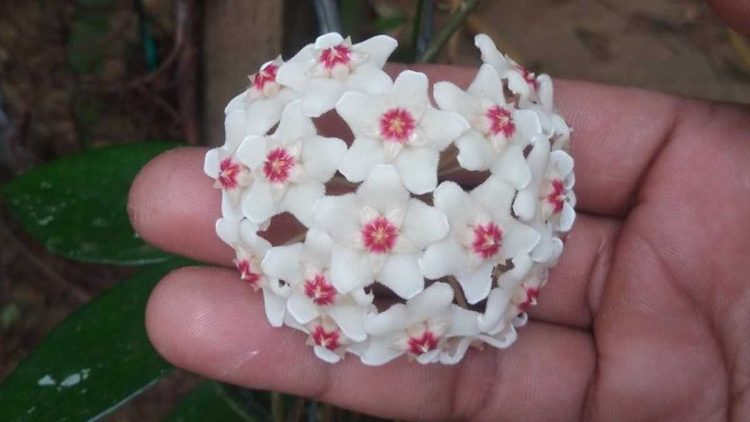
The wax flower (Hoya carnosa) is a stunning climbing plant known for its thick, waxy leaves, which help it retain water. Often compared to succulents, this hardy plant can grow up to a meter in height and is native to China and Japan. Its unique appearance and resilience make it a popular choice among plant lovers.
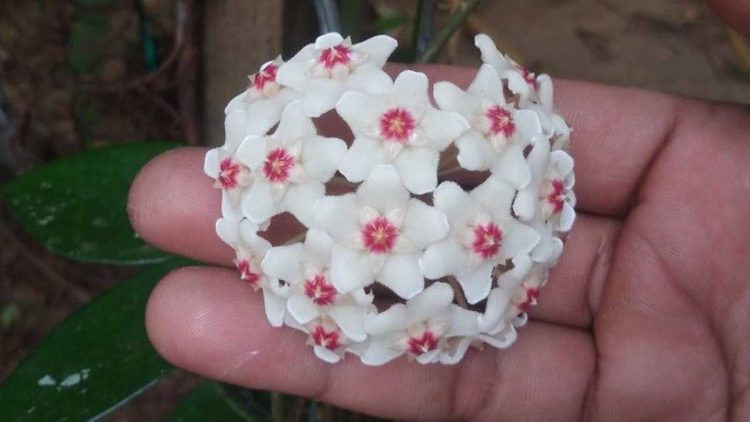
With its attractive foliage, the wax flower is often difficult to distinguish between species unless it’s in bloom. As a houseplant, it’s known for being easy to care for, long-lived, and capable of blooming consistently year after year. Here’s a guide to all the secrets you need to make your wax flower flourish.
Wax Flower Care: Essential Tips
Light Requirements
The wax flower thrives in indirect light. Being native to forested areas, it grows in the shade, surrounded by trees and shrubs, and does not tolerate direct, intense sunlight. In fact, exposure to bright light can cause its leaves to suffer.
To recreate its natural habitat at home, avoid placing your wax flower in direct sunlight. Botanical gardens and professional growers often use shade cloth that blocks 50-80% of the sun’s rays to ensure optimal conditions for the plant.
Soil and Watering
The wax flower is an epiphytic plant, meaning it naturally grows on other plants without taking nutrients from them. It doesn’t require a lot of space, but regular maintenance is still important.
While repotting isn’t usually necessary, it’s recommended to change the soil every 2-3 years. Use terracotta pots, as they are porous and allow for better water drainage.
Watering should be regular, but it’s essential that the soil dries out between waterings. Wax flowers don’t like stagnant water, so ensure that excess moisture can escape to avoid root rot.
Humidity and Temperature
Wax flowers prefer high humidity, typical of subtropical and tropical environments, but they are quite adaptable and can tolerate drier conditions. During the winter months, it’s important to keep the plant in a warm area, as it does not tolerate temperatures below 10°C.
Common Problems and Solutions for Wax Flower Care
While the wax flower is a resilient plant, there are a few common issues that might arise. Here’s how to address them:
- Burnt or Red Leaves: If the leaves turn red or show signs of burning, it’s likely due to too much direct sunlight. Simply move the plant to a shadier spot.
- Rotting Leaves: If the leaves begin to rot, the plant may not be receiving enough water, or the roots could be decaying. Check the roots and look for pests, such as scale insects.
- Limp Leaves: If the leaves feel limp, this could be a sign of overwatering or lack of water. Check the roots to ensure they are healthy.
- No Blooms: A lack of blooms can be caused by insufficient light. In some cases, stress (such as a cold or dry period) can trigger blooming. Ensure the plant gets enough light, and consider simulating a stress period to encourage flowers.
- Falling Shoots: If the shoots fall off before blooming, it may be due to the soil being too dry or too wet for too long. Ensure the soil is consistently moist but not soggy.
- Dried Out Plant: If the plant has been dry for a while, water slowly and little by little to ensure the soil absorbs moisture properly without overwhelming the roots.
Conclusion
With the right care, your wax flower can thrive and bloom year after year, becoming a beautiful and low-maintenance addition to your home. Keep these tips in mind, and you’ll enjoy its waxy leaves and stunning blooms for a long time. Happy gardening! 🌿🌸