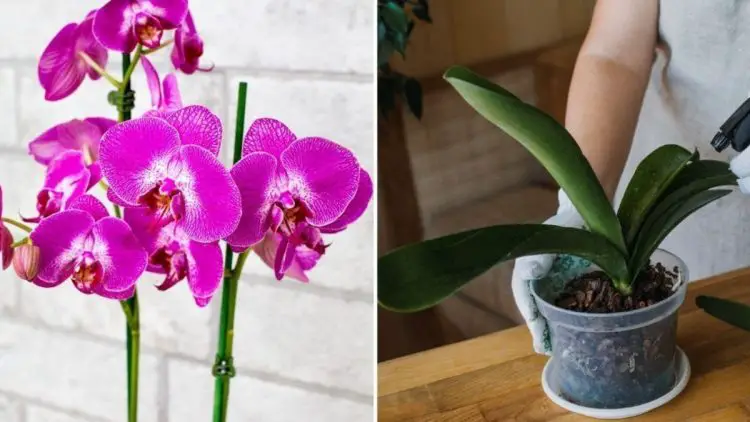
My passion for gardening has often been tested by orchids. I’ve always dreamed of having a stunning collection of these elegant plants in my living room or on my veranda. However, I admit I’ve struggled to keep them thriving for long periods. The biggest challenge has been making them bloom for as long as possible and encouraging new buds to form.
Water and Fertilizer
A great tip that has helped me revive my orchids is to provide them with liquid fertilizer every 15 days. It’s essential that the fertilizer is rich in phosphorus and potassium. During the flowering period, I avoid using fertilizers and reduce the frequency of watering.
How to Water Orchids
For effective watering, I suggest submerging the pot in a basin of water. Ensure there’s a hole at the bottom of the pot and let it soak in warm water for about half an hour. After soaking, empty the pot and return it to its spot. I do this every ten days.
Expose Orchids to Light
In the fall, sunlight is crucial for orchid growth. The sun’s rays are not too hot, so they won’t scorch the leaves. This is the perfect time to place my orchids in full sun outside my home.
Avoid Heat Sources
Initially, I was skeptical, but I learned that temperature changes won’t harm my orchids. In early fall, when daytime temperatures reach 15 degrees, I place my orchids on the balcony during the day and bring them back inside at night for about two weeks.
Pay Attention to Room Temperature
Never position your orchids near a heat source. If your home is warmer than 20 degrees, consider keeping your orchids in cooler rooms, like stairwells or windowsills.
How to Prune Properly
Pruning used to be a weak point for me. During the periods when orchids lack flowers, proper pruning can help stimulate new buds. Simply shorten the stem by cutting it at least an inch above the highest node (the small points along the stem).
Clean the Leaves
Cleaning the leaves is essential for the health of your orchids. I use a cloth soaked in distilled water mixed with a few drops of vinegar or lemon. Cotton balls soaked in milk and water also work well.
Choosing the Right Pot
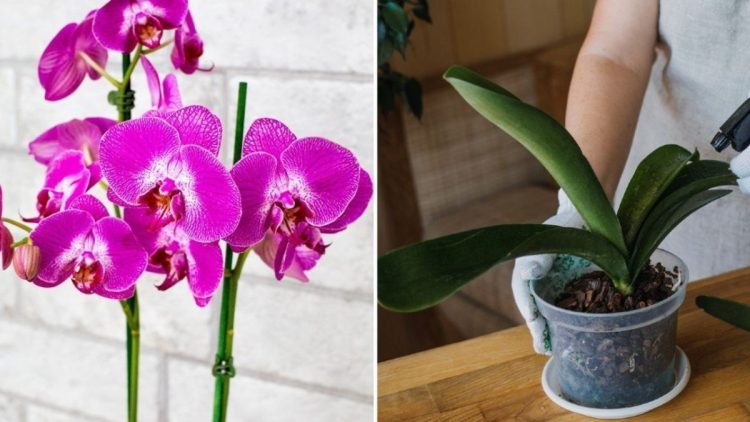
Selecting the right pot has significantly helped my orchids thrive. I chose a solid, transparent pot to ensure the plant gets enough light. A double wall pot is preferable as it maintains a more stable temperature and reduces fluctuations.
The Importance of Humidity
Most orchids are tropical plants that thrive in warm, humid climates. My apartment tends to be dry in winter, but I combat this by spraying the leaves with deionized water. During hot summer months, I place a humidifier near my orchids to maintain the necessary humidity.
Observe the Color of the Leaves
Pay attention to the color of your orchid’s leaves! If they turn yellow or become spotted, it indicates too much sunlight. Conversely, if the leaves turn dark green, the plant may not be receiving enough light.
With these simple tips, you can keep your orchids looking beautiful and vibrant all year round!


