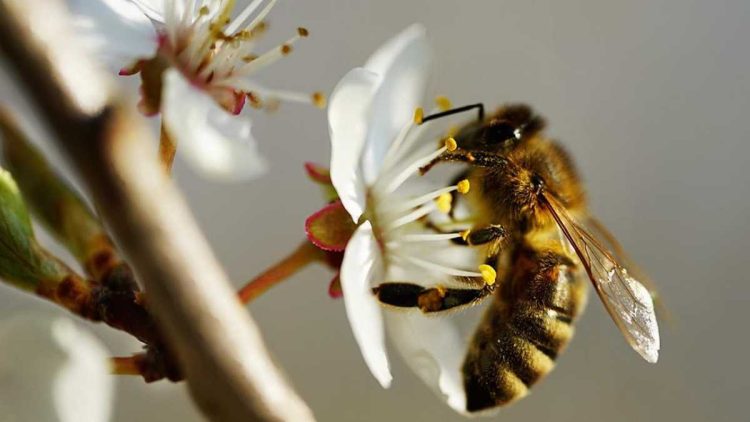
Creating a bee-friendly garden is not only beneficial for your garden’s ecosystem, but also for the planet. Climate change and human activity are threatening the habitats of bees and other essential pollinators. In this article, you’ll learn how to make your garden more attractive to these invaluable creatures and which plants they love most.
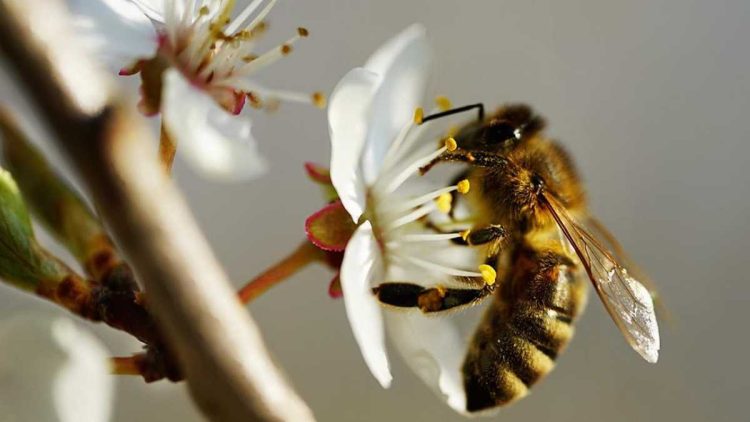
Bee-Friendly Plants: Are They Really Necessary?
Absolutely! Bee habitats are disappearing rapidly due to a lack of flowering plants in urban areas and even private gardens. The climate also affects bees, making it crucial to provide them with food sources and nesting sites throughout the year. Bees play an essential role in pollinating crops like vegetables and fruits, which humans rely on for food. Without bees, many of these vital crops would not survive.
Not All Bees Are the Same
There are different types of bees, and they have varying preferences. Honeybees are less picky and can forage from any flower, which makes them easier to attract. Wild bees, however, are more selective and prefer native flowers. When choosing plants for your garden, be sure to include a variety of native plants, such as crocuses, brambles, and aromatic herbs if wild bees are present.
Honeybees are easily identifiable by their pollen baskets, while wild bees lack these “pouches” and can vary in color, ranging from rusty red to black.
Which Plants and Flowers Are Suitable for Bees?
If you have a garden, there are plenty of options for both honeybees and wild bees. Depending on the space available, you can plant flower beds, vegetable gardens, shrubs, and fruit trees to attract bees. If you’re working with a balcony, aromatic herbs and flowering plants are ideal for attracting wild bees.
The following plants are excellent choices for both honeybees and wild bees:
- Flower beds, vegetable gardens, shrubs, trees, and flower boxes:
Yarrow, Onion, Raspberry, Goat willow, Sage, Lavender, Cabbage, Virginia creeper, Rosemary, Pear tree, Ivy, Aster, Alfalfa, Fireweed, Hawthorn, Lantana, Lupine, Carrot, Bladderwort, Snapdragon.
Important: Choose plants with recognizable flowers (not “double flowers”), as these are the ones that provide nectar and pollen for bees. Be sure to grow a variety of plants to keep bees fed from spring to fall.
More Tips for a Bee-Friendly Garden
A bee-friendly garden goes beyond just planting flowers. Consider these additional tips to turn your garden into a true bee paradise.
Tip 1: Nesting Sites
Wild bees need more than flowers—they also require nesting sites in places like dead wood or between stones. If you have space, create a designated area in your garden for wild bees to nest.
Tip 2: Mini-Pond
A mini-pond adds beauty to your garden while providing bees and other wildlife with a water source for bathing and hydration.
Tip 3: Garden Path
Avoid using concrete or asphalt for garden paths, as these materials don’t benefit bees. Instead, use pavers with joints or gravel, as long as they don’t cover the entire garden.
With a few simple changes, you can transform your garden into a bee-friendly haven for honeybees and their wild counterparts. Do you already have enough bee-friendly plants in your garden?


