Is your garden already bee-friendly? With climate change and human activities threatening bee habitats, it’s crucial to create a bee-friendly garden. In this article, you’ll learn which flowers are especially suited to attract and support these valuable pollinators.
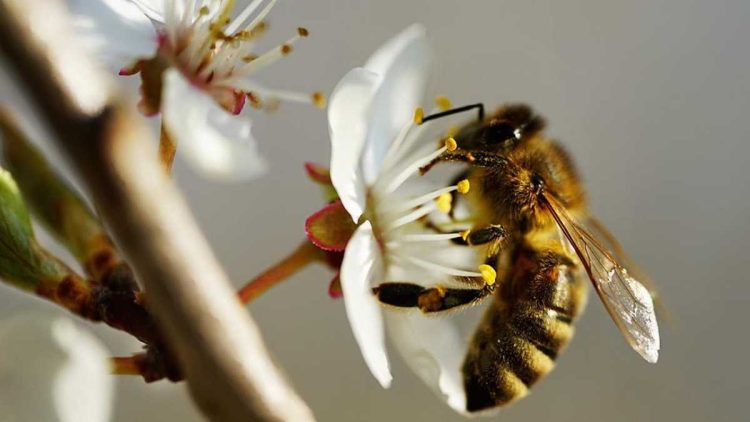
Bee-Friendly Plants: Are They Really Necessary?
Absolutely! Bee habitats are rapidly diminishing due to a lack of flowering plants in urban and private gardens, along with the impact of climate change on insects. Offering bees food sources and nesting sites year-round is essential, as bees play a critical role in pollinating crops such as vegetables and fruits.
Not All Bees Are the Same
Many seed mixes available in stores contain a variety of meadow flowers, which are perfect for honeybees. However, wild bees are more selective and prefer native plants. If the mix contains non-European species, it may not be effective. Observing the bees in your garden can help determine the best plants to use. For wild bees, opt for native plants like crocuses, brambles, and aromatic herbs.
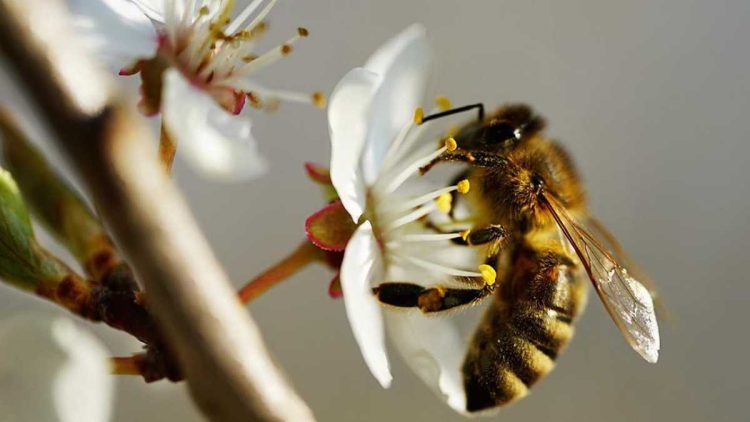
Honeybees are identifiable by their pollen baskets, used to store nectar, while wild bees lack these “pouches” and can range in color from rusty red to black.
Which Plants and Flowers Are Suitable for Bees?
In a garden, you can offer bees a variety of flowers, vegetables, shrubs, and fruit trees. For balconies, aromatic herbs and flowering plants are ideal for wild bees.
Here’s a list of plants that are suitable for both honeybees and wild bees:
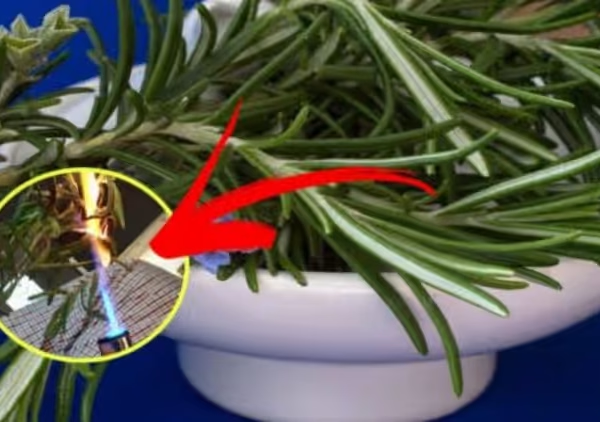
- Flower bed: Yarrow, Onion, Sage, Lavender, Rosemary, Aster, Snapdragon
- Vegetable garden: Cabbage, Carrot, Alfalfa, Fireweed
- Shrubs: Raspberry, Goat willow, Ivy, Hawthorn
- Trees: Pear tree, Bladderwort tree, Hawthorn
- Flower box: Virginia creeper, Lantana, Lupine
Important: Opt for plants with recognizable flowers rather than “double flowers”, which are often sterile and lack nectar and pollen. Ensure a diverse range of plants to provide continuous food from spring to fall.
More Tips for a Bee-Friendly Garden
It’s not just about plants. Here are additional ways to make your garden a bee paradise:
Tip 1: Nesting Sites
Wild bees also need nesting sites in dead wood or between stones. Allocate space in your garden for these natural habitats.
Tip 2: Mini-Pond
A pond serves as a water source and a bathing spot for various animals, including bees. It adds beauty to your garden as well.
Tip 3: Garden Path
For a bee-friendly garden, avoid concrete or asphalt paths. Use pavers with joints and gravel to create better conditions for bees.
By making a few thoughtful changes to your garden or balcony, you can create a welcoming environment for both honeybees and wild bees. Do you already have enough bee-friendly plants in your garden?