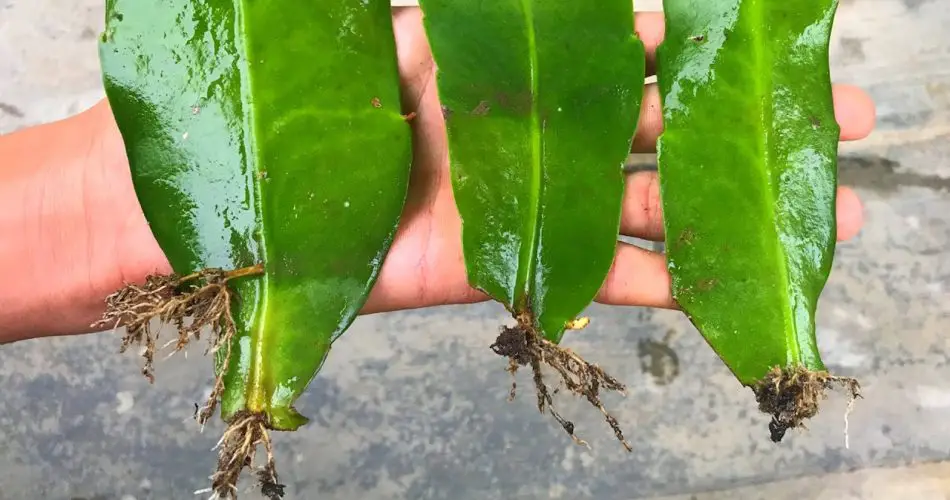
Blossoming Abundance: Multiplying Quỳnh Flowers with Leaves in Epiphyllum
Epiphyllum, commonly known as Quỳnh in Vietnamese, is a stunning and resilient plant celebrated for its breathtaking flowers. If you wish to propagate and multiply the beauty of Quỳnh in your garden, this guide will walk you through a simple and effective method of using leaves for propagation. Discover the steps to multiply Quỳnh flowers with leaves in Epiphyllum and witness your garden bloom with abundance.
Multiplying Quỳnh Flowers with Leaves: A Flourishing Venture
- Selecting Healthy Parent Plant: Begin the propagation process by selecting a healthy and well-established Epiphyllum, preferably one that has been thriving in your garden. A robust parent plant contributes to successful leaf propagation.
- Choosing Healthy Leaves: Identify healthy leaves on the selected Epiphyllum plant for propagation. Choose leaves that are mature, free from damage or disease, and have a vibrant green color. Healthy leaves provide the best chance for successful propagation.
- Harvesting Leaves: Use clean and sharp scissors or pruning shears to carefully snip the selected leaves from the Epiphyllum plant. Ensure each leaf is at least 6-8 inches in length for optimal results. Make clean cuts to avoid unnecessary damage.
- Allowing Leaf Callus Formation: Place the harvested leaves in a dry and shaded area to allow the cut ends to form a callus. This step is crucial as it helps prevent rotting when the leaves are planted for propagation. Allow the callus to develop for a day or two.
- Preparing Potting Mix: Use a well-draining potting mix suitable for cacti and succulents. Ensure the mix is airy and provides good drainage to prevent waterlogging, which can be detrimental to the rooting process of the Quỳnh leaves.
- Planting Quỳnh Leaves: Insert the callused ends of the Quỳnh leaves into the potting mix, burying them at least an inch deep. Ensure that the leaves are securely positioned in the soil, and provide sufficient space between each leaf to encourage proper root development.
- Creating a Humid Environment: Encourage successful rooting by creating a humid environment around the planted Quỳnh leaves. You can cover the planted leaves with a plastic dome or use a plastic wrap to maintain high humidity levels. This is particularly important for leaf propagation.
- Providing Indirect Light: Place the pot with the planted Quỳnh leaves in a location with bright, indirect light. Avoid exposing them to direct sunlight, as this can lead to stress and scorching. Indirect light supports the rooting process without causing excessive stress.
- Maintaining Consistent Moisture: Keep the potting mix consistently moist but not waterlogged. Water the propagated Quỳnh leaves when the top inch of the soil feels dry. Be cautious not to overwater, as this can lead to root rot.
Flourishing Quỳnh Flowers: A Garden of Abundance
- Root Development and Transplanting: After a few weeks, check for signs of root development by gently tugging on the Quỳnh leaves. Once roots are established, the leaves are ready to be transplanted into individual pots or directly into the garden. Handle them with care to avoid damaging the delicate roots.
- Patience Rewarded with Blooms: Be patient as your multiplied Quỳnh flowers develop and grow. With proper care and attention, the propagated plants will reward your efforts with stunning blooms, contributing to a garden filled with the beauty of Quỳnh.
- Sharing the Beauty: Multiplying Quỳnh flowers with leaves not only enhances your garden’s beauty but also provides an opportunity to share these exquisite plants with friends and fellow gardening enthusiasts. Share the joy of successful propagation and contribute to the abundance of Quỳnh blooms.
Multiplying Quỳnh flowers with leaves in Epiphyllum is a gratifying venture that allows you to expand the beauty of these stunning plants in your garden. By following the simple steps of leaf propagation, you can witness the transformation of healthy leaves into flourishing Quỳnh flowers. Embrace the process with care and patience, and soon your garden will be adorned with the abundant blooms of Quỳnh, creating a picturesque landscape of floral splendor.


