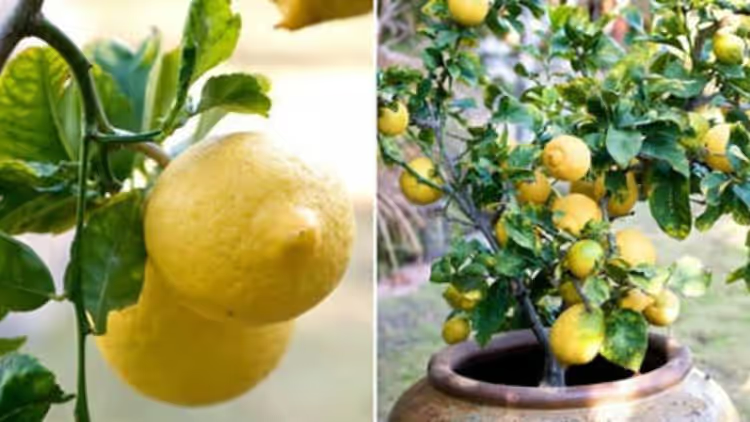
The lemon tree, native to Asia, has become a popular choice for home gardening around the world. Its vibrant fruit and fragrant blossoms make it a delightful addition to any space. Growing lemon trees in pots is particularly advantageous for small spaces, such as balconies or terraces, and is achievable with the right steps.
Why Grow Lemon Trees in Pots?
Planting a lemon tree in a pot comes with several benefits:
- Space Efficiency: Perfect for small spaces like balconies, terraces, or even indoor areas.
- Mobility: Easily move the pot to maximize sun exposure or shield the plant from frost.
- Better Substrate Control: Allows you to tailor the soil mix for optimal growth.
What You’ll Need to Plant a Lemon Tree in a Pot
To get started, gather these materials:
- A Large Pot: Choose one that’s at least 50 cm deep and has drainage holes at the bottom.
- Substrate: Use a mix of citrus potting soil, garden soil (non-calcareous), and coarse sand. Add clay balls for enhanced drainage.
- Fertilizer: Opt for organic or citrus-specific fertilizer.
- Young Plant or Graft: Purchase from a nursery for the best results, as growing from seed can be slow and unpredictable.
Step-by-Step Guide to Planting Your Lemon Tree
1. Prepare the Pot
- Place a layer of clay balls at the bottom to promote drainage.
2. Mix the Substrate
- Combine citrus potting soil, garden soil, and coarse sand to create a nutrient-rich, well-draining mix.
3. Plant the Tree
- Dig a hole in the center of the pot, slightly larger than the root ball of the young plant.
- Gently remove the plant from its container and position it in the hole.
- Fill in any gaps with the substrate, ensuring the collar (base of the trunk) is level with the soil surface.
- Tamp the soil lightly to secure the plant.
4. First Watering
- Water thoroughly to moisten the soil completely.
Light and Climate Requirements
- Sunlight: Lemon trees thrive in at least 6 hours of direct sunlight daily.
- Climate: They prefer mild, Mediterranean-like conditions. Protect the tree from frost by overwintering it in a bright, frost-free location such as a veranda or greenhouse.
Watering and Maintenance
Watering
- Frequency: Only water when the topsoil feels dry (check by inserting a finger into the soil).
- Quantity: Water deeply until it drains through the holes. Avoid waterlogging by emptying the saucer underneath.
Fertilization
- Apply a special citrus fertilizer during the growing season (spring and summer), following the manufacturer’s recommendations.
Additional Care Tips
- Repotting: Move the tree to a slightly larger pot every 2–3 years to provide fresh soil and room for growth.
- Pruning: Perform light pruning to maintain the tree’s shape and encourage fruit production.
- Pest and Disease Monitoring: Regularly inspect leaves for signs of issues.
Growing from Seeds: A Challenging Option
While it’s possible to grow a lemon tree from seeds, this method is time-consuming and unpredictable. Seed-grown trees may take years to bear fruit, and the fruit quality may vary. For reliable results, start with a young grafted tree from a reputable nursery.
Enjoy Your Homegrown Lemon Tree
By following these tips, you’ll create the perfect environment for your lemon tree to flourish. With patience and care, you can enjoy fresh lemons from your own potted tree—perfect for adding zest to your recipes or refreshing drinks! 🌿🍋


