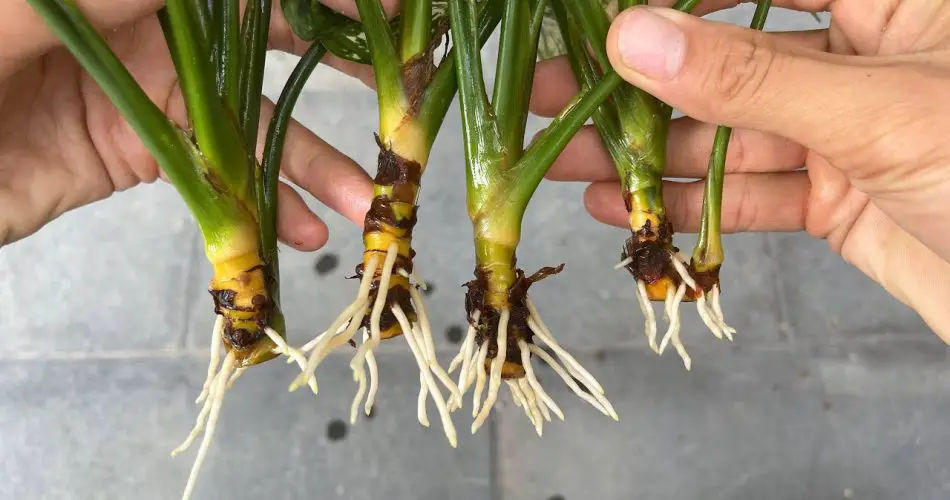
Propagating Jade Plants in Sand and Growing Aglaonema in Water: Two Thriving Techniques
If you’re a plant enthusiast eager to expand your indoor garden, experimenting with different propagation methods can be both exciting and rewarding. In this article, we’ll explore two distinct techniques – propagating jade plants in sand and growing Aglaonema in water – offering a fresh perspective on nurturing these popular houseplants.
Propagating Jade Plants in Sand:
1. Selecting Healthy Cuttings: Begin by choosing healthy and disease-free jade plant cuttings. Opt for stems that are at least 3-4 inches long, with a few leaves attached.
2. Preparing the Sand Medium: Use coarse sand as a propagation medium to provide excellent drainage. Fill a small pot or tray with the sand, ensuring it’s moist but not waterlogged.
3. Inserting the Cuttings: Make a small hole in the sand using a stick or your finger. Insert the jade plant cutting into the hole, burying a portion of the stem while leaving the leaves exposed.
4. Maintaining Moisture: Keep the sand consistently moist during the propagation period. Use a misting spray to provide gentle moisture without disturbing the cuttings. Cover the pot or tray with plastic to create a humid environment.
5. Patience and Observation: Root development can take a few weeks. Be patient and monitor the cuttings for signs of new growth and healthy root formation. Once roots are established, transplant the cuttings into individual pots with well-draining soil.
Growing Aglaonema in Water:
1. Selecting Healthy Stem Cuttings: Choose healthy and pest-free stems from the Aglaonema plant. Cut stems that are 4-6 inches in length, ensuring they have at least one node.
2. Placing Cuttings in Water: Submerge the cut end of the Aglaonema stem in a container of water, ensuring the node is fully submerged. Change the water regularly to prevent stagnation and the development of harmful bacteria.
3. Providing Indirect Light: Place the container in a location with bright, indirect light. Aglaonema roots well in water but requires adequate light for overall health.
4. Monitoring Root Growth: Keep a close eye on the cuttings for signs of root development. Once roots are a few inches long, the Aglaonema cuttings can be transplanted into soil or kept in water, depending on your preference.
5. Transplanting into Soil (Optional): If you choose to transplant the rooted Aglaonema cuttings into soil, use well-draining potting mix. Bury the roots and the lower portion of the stem in the soil, and water lightly.
Conclusion:
In conclusion, propagating jade plants in sand and growing Aglaonema in water are two distinctive methods that showcase the versatility of houseplant propagation. Whether you prefer the gritty resilience of sand or the transparent elegance of water, these techniques offer unique insights into nurturing healthy and thriving indoor plants. With a bit of patience and care, you’ll soon witness the joy of successful propagation in your botanical endeavors. Happy planting!


