Winter brings a time of rest for your garden, but this period still requires special attention. While your plants sleep, preparing them for the cold months ahead can make all the difference in ensuring they thrive in spring. Here are the 10 most common mistakes gardeners make during winter, and how to avoid them, so your plants stay healthy and ready to bloom when the warmer weather arrives.
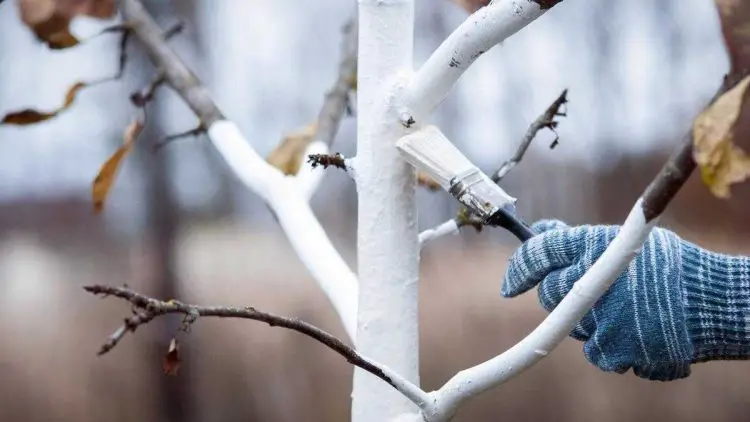
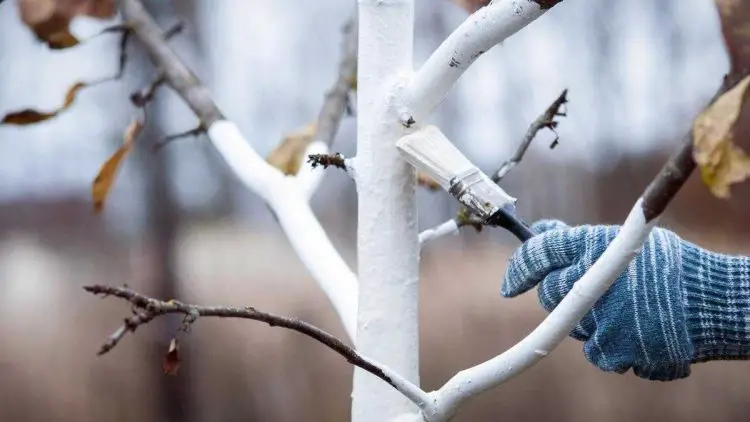
1. Protecting Sensitive Trees
Trees, especially young ones, are vulnerable to frost damage during the winter. When the sun shines on freezing temperatures, the bark can crack due to temperature differences. This allows pests, fungi, and bacteria to enter. To protect your trees, consider using tree wraps or placing mulch around their base to prevent frost damage.
2. Watering Your Garden in Winter
Many gardeners mistakenly stop watering their plants in winter. However, even during colder months, evergreen plants still need some moisture. If the soil is frozen and the sun shines, water evaporates from the leaves without the roots being able to take up any moisture. Make sure to water your evergreens before a frost period to avoid dehydration.
3. Avoid Walking on the Lawn
During winter, avoid walking on frosted or snow-covered grass. This can compact the lawn, reducing airflow and leading to winter lawn diseases, like typhoid rot. Walking on frozen grass can also cause the blades to break, leaving brown spots and causing damage to your lawn.
4. Container Plants Need Light
For plants that cannot withstand frost, such as oleanders and bay trees, placing them in a location with insufficient light can be detrimental. During winter, make sure your container plants are in a bright spot, but avoid areas that are too dark or humid. Proper light helps keep the plants healthy throughout the season.
5. Prevent Plants from Sweating Under Frost Protection
If you wrap plants in frost protection material, make sure it is breathable and allows light and air to pass through. Sunshine during the day can warm up the plants inside, and if the frost protection doesn’t allow for air circulation, it may cause the plants to bud too early. It’s a good idea to remove the frost protection during the day and put it back on at night if needed.
6. Protect Your Compost Pile
A warm compost heap can continue to break down organic material even in winter. Covering your compost with old carpet, cardboard, or bags filled with straw or leaves will help retain the heat and ensure faster decomposition. This helps maintain the activity of microorganisms that break down plant matter.
7. Clear Snow from Plants
Heavy snow can cause branch breakage in trees and hedges. If snow accumulates to more than 10 cm or causes branches to bend, remove the snow to avoid damage. Gently shake the snow off branches, being careful not to snap them.
8. Avoid Excessive Salt Usage
Road salt can damage your plants if used incorrectly. Never spread salt on garden paths, as it can seep into the ground and harm your flowerbeds, trees, and hedges. Use alternatives like sand or gravel for traction on garden paths.
9. Keep Your Garden Pond from Freezing
Your garden pond should not freeze completely. If it does, decomposition gases can build up, which can harm your fish. To prevent this, clear dead plants and debris from the pond in the fall, and consider placing polystyrene sheets or a piece of wood on the surface to reduce freezing. In an emergency, create a ventilation hole in the ice.
10. Store Plant Protection Products Properly
Don’t store plant protection products in places where they may freeze, such as garden sheds or garages. Frost can render these products ineffective. If the consistency has changed after winter, it may no longer be safe to use.
Conclusion: Winter Care for a Healthy Garden
By following these tips and avoiding common mistakes, you will not only ensure that your garden survives the winter but also save yourself time and money by preventing plant damage. Taking care of your plants in the cold season will lead to a healthy, vibrant garden in the spring.