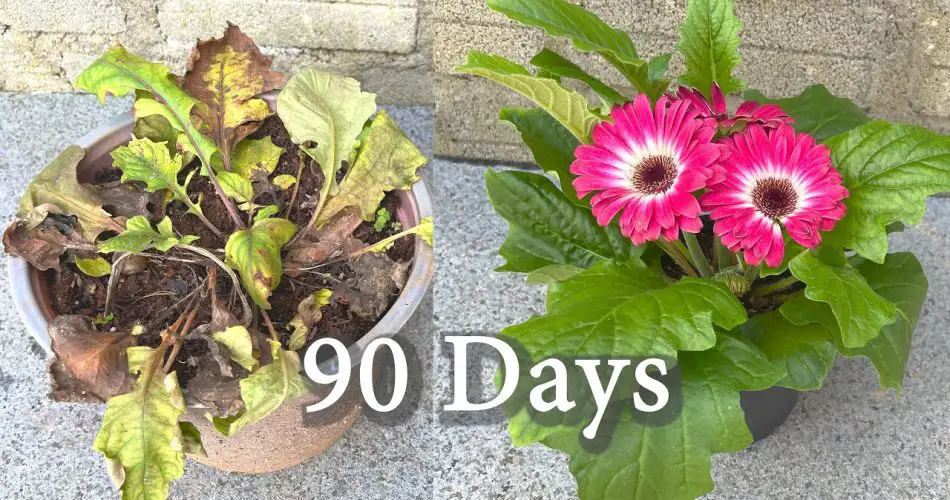
“A Second Chance: Restoring Potted Plants Rescued from the Landfill”
Unearthing potted plants from the landfill can be the beginning of a beautiful rescue mission, especially when it involves giving a second life to a forgotten Gerbera tree. In this article, we’ll explore the steps to restore and revive potted plants that have been discarded, focusing on the heartwarming journey of saving an abandoned Gerbera and turning it into a thriving symbol of resilience.
Restoring Potted Plants from the Landfill: Save the Abandoned Gerbera Tree
- Inspect the Plant: Begin by carefully inspecting the Gerbera tree for signs of stress, disease, or pest infestations. Look for any damaged or rotting roots, as addressing these issues is crucial for the plant’s revival.
- Repotting: Gently remove the Gerbera from its current pot, being mindful not to further damage the roots. Shake off excess soil and inspect the root system. Trim any dead or damaged roots with clean, sharp scissors.
- Select a New Pot: Choose a new pot that is larger than the current one but not excessively oversized. Ensure the new pot has drainage holes to prevent waterlogging, promoting a healthier root system.
- Quality Potting Mix: Use a well-draining potting mix rich in organic matter to provide essential nutrients. A mix designed for flowering plants is ideal for Gerberas.
- Planting at the Right Depth: Plant the Gerbera at the same depth it was in its previous pot. Ensure that the crown (the point where the stems meet the roots) is level with the soil surface.
- Watering Routine: Water the Gerbera thoroughly after repotting, and then establish a consistent watering routine. Allow the top inch of soil to dry out between waterings to prevent overwatering, which can lead to root rot.
- Provide Adequate Sunlight: Gerberas thrive in bright, indirect sunlight. Place the rescued plant in a location where it receives at least 6 hours of filtered sunlight daily. Avoid exposing it to harsh, direct sunlight initially to prevent shock.
- Fertilize Moderately: Use a balanced, water-soluble fertilizer designed for flowering plants. Feed the Gerbera every 4-6 weeks during the growing season, following the package instructions for proper dilution.
- Pruning for Recovery: Trim away any yellow or diseased leaves to encourage new growth. Prune spent flowers regularly to redirect the plant’s energy towards producing fresh blooms.
- Patience and Observation: Restoring a rescued Gerbera requires patience and careful observation. Monitor the plant’s progress, making adjustments to care routines as needed. Be attentive to any signs of stress or disease.
Rescuing potted plants from the landfill is a noble endeavor, and watching an abandoned Gerbera transform into a thriving, blooming beauty is a heartening experience. By following these steps and showering the rescued plant with care and attention, you can provide it with a second chance at life. Witness the resilience of nature as your once-discarded Gerbera stands tall, becoming a testament to the power of restoration and growth. Happy gardening!


