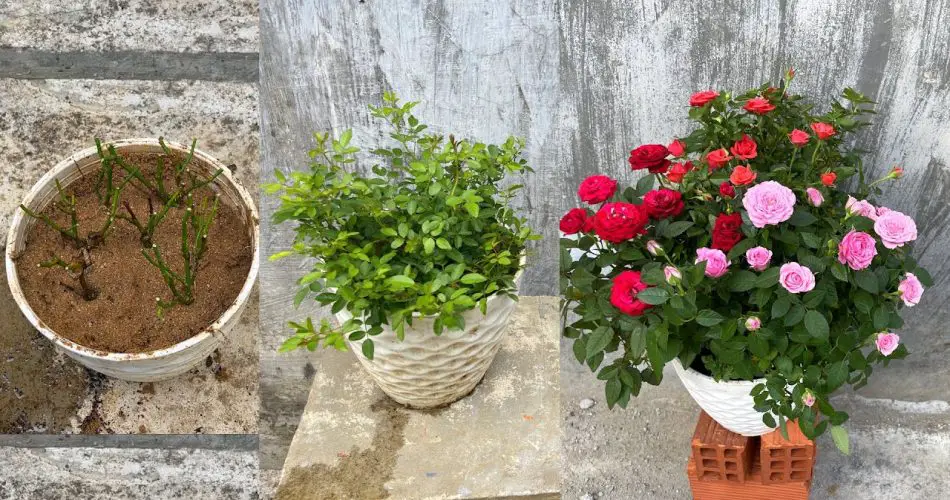
Reviving Beauty: Caring for Abandoned Rose Pots and the Art of Repotting
Discovering abandoned rose pots can be akin to finding hidden treasures in your garden. With a little tender care and the art of repotting, you can revive these neglected roses and transform them into vibrant, blooming beauties. In this guide, we delve into the steps of caring for abandoned rose pots and the essential art of changing pots to breathe new life into your cherished roses.
Caring for Abandoned Rose Pots:
- Assessing the Condition: The journey begins with a thorough assessment of the abandoned rose pots. Inspect the roses for signs of stress, such as wilting, yellowing leaves, or overgrown roots. Identifying the specific issues will guide your care strategy.
- Gradual Watering and Rehydration: Neglected roses may be dehydrated, so begin the revival process with gradual watering. Allow the soil to absorb water slowly, preventing root shock. Monitor the moisture levels to avoid overwatering, which can lead to root rot.
- Pruning for Health and Shape: Trim away any dead or diseased growth with clean pruning shears. Shaping the rose bushes by removing leggy or crowded branches encourages healthy growth and enhances the overall appearance.
- Feeding with Balanced Fertilizer: Abandoned roses often suffer from nutrient deficiencies. Boost their health by applying a balanced fertilizer suitable for roses. Follow package instructions for the correct dosage, ensuring a well-rounded nutrient supply.
Changing Pots for Roses:
- Selecting a New Pot: Changing pots is a crucial step in rejuvenating abandoned rose plants. Choose a new pot that is larger than the current one, providing ample space for root expansion. Ensure the pot has drainage holes to prevent waterlogging.
- Preparing the New Potting Mix: Use a high-quality potting mix suitable for roses or create a mix with a combination of well-draining soil, compost, and perlite. This ensures optimal drainage and aeration for the rose roots.
- Gently Removing the Rose from the Old Pot: Carefully remove the rose from its old pot, avoiding damage to the roots. Gently loosen the soil around the root ball, making the transition as stress-free as possible.
- Placing the Rose in the New Pot: Set the rose into the center of the new pot, ensuring the root ball is positioned at the same depth as it was in the old pot. Fill the remaining space with the prepared potting mix, pressing it down lightly.
- Watering and Settling In: After repotting, water the rose thoroughly to settle the soil around the roots. Place the pot in a location with suitable sunlight for your rose variety.
Immediate Effects:
- Increased Vitality and Growth: The most immediate effect of caring for abandoned rose pots and changing pots is the increased vitality of the roses. Revived plants show signs of rejuvenation, with new growth and healthier foliage.
- Adaptation to the New Environment: Repotted roses adapt quickly to the new environment, establishing their roots in the fresh potting mix. The change provides them with the resources needed for robust growth and abundant blooms.
Practical Tips:
- Monitor Moisture Levels: Regularly monitor moisture levels in the new potting mix. Adjust your watering routine based on the specific needs of your roses and the environmental conditions.
- Mulch for Moisture Retention: Apply a layer of organic mulch around the base of the roses to retain soil moisture and suppress weeds.
Caring for abandoned rose pots and changing pots is a rejuvenating process that transforms neglected roses into thriving, blooming beauties. By assessing their condition, providing attentive care, and facilitating a smooth transition to new pots, you breathe new life into these once-forgotten treasures. The revival of abandoned roses not only adds vibrancy to your garden but also serves as a testament to the resilience and enduring beauty of these beloved flowers.


