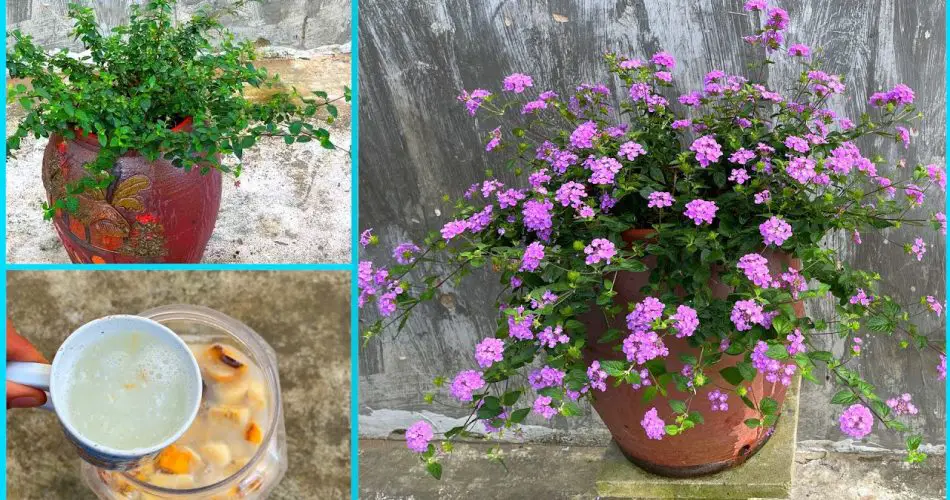
Nutrient-Rich Bliss: Crafting Compost from Yogurt, Banana Peels, and Worms
In the world of sustainable gardening, creating your own compost is a rewarding endeavor that not only minimizes waste but also provides your plants with a nutrient-rich fertilizer. For a unique twist, incorporating yogurt, banana peels, and the assistance of earthworms can result in a potent and eco-friendly compost mix. In this guide, we’ll explore the simple steps to turn these kitchen scraps into a powerhouse fertilizer for your garden.
- Gather Your Ingredients: Collect kitchen scraps such as banana peels and leftover yogurt. Banana peels are rich in potassium, while yogurt adds beneficial bacteria to the mix. This dynamic duo, when combined with the magic of worms, creates a compost blend that’s both nourishing and effective.
- Banana Peels for Potassium Boost: Banana peels, often discarded without a second thought, are a goldmine of nutrients. They add potassium, an essential element for flowering and fruiting plants. Chop the banana peels into smaller pieces to facilitate decomposition.
- Yogurt for Beneficial Microbes: Yogurt contains beneficial bacteria that aid in the composting process. Choose plain, unsweetened yogurt to avoid introducing unwanted sugars. Mix the yogurt into your compost pile to enhance microbial activity and break down organic matter.
- Create a Worm-Friendly Environment: Introduce earthworms to your compost pile. Worms are nature’s recyclers, breaking down organic material into nutrient-rich castings. Red wigglers are particularly effective for composting and can be purchased from garden centers or online.
- Layering and Turning: Layer your compost ingredients, alternating between kitchen scraps, yard waste, and the yogurt-enriched mix. Turning the compost regularly helps aerate the pile, allowing the worms to thrive and accelerate the decomposition process.
- Maintain Moisture Levels: Compost needs moisture to break down effectively. Ensure your compost pile remains consistently moist, resembling a wrung-out sponge. Watering occasionally, especially during dry periods, promotes a healthy environment for microbial and worm activity.
- Patience and Observation: Composting is a gradual process that requires patience. Regularly observe your compost pile for changes in texture, color, and temperature. A well-balanced compost pile will have a pleasant earthy smell and eventually transform into dark, crumbly compost.
- Harvesting Your Compost Gold: Once your compost is dark and rich in texture, it’s ready to be harvested. Remove any remaining scraps, twigs, or uncomposted material. The result is a nutrient-dense, homemade fertilizer ready to nourish your garden.
Crafting compost from yogurt, banana peels, and worms not only reduces kitchen waste but also provides your plants with a powerhouse of nutrients. Embrace the natural synergy of these ingredients and witness the transformation of kitchen scraps into a sustainable fertilizer that will enrich your garden with the goodness of homemade compost.


