Grafting is a time-honored technique employed by gardeners to propagate roses, combining desirable traits from different varieties into a single plant.
In this comprehensive guide, we explore various methods and tips to master the art of rose grafting, empowering enthusiasts to create stunning and resilient rose specimens in their gardens.

Exploring Grafting Techniques:
- Budding Grafting:
- Budding grafting, also known as T-budding, involves inserting a bud from the desired rose variety into an incision on the rootstock. This method is commonly used during the growing season when bark is easily lifted, allowing for successful union between the bud and rootstock.
- Whip Grafting:
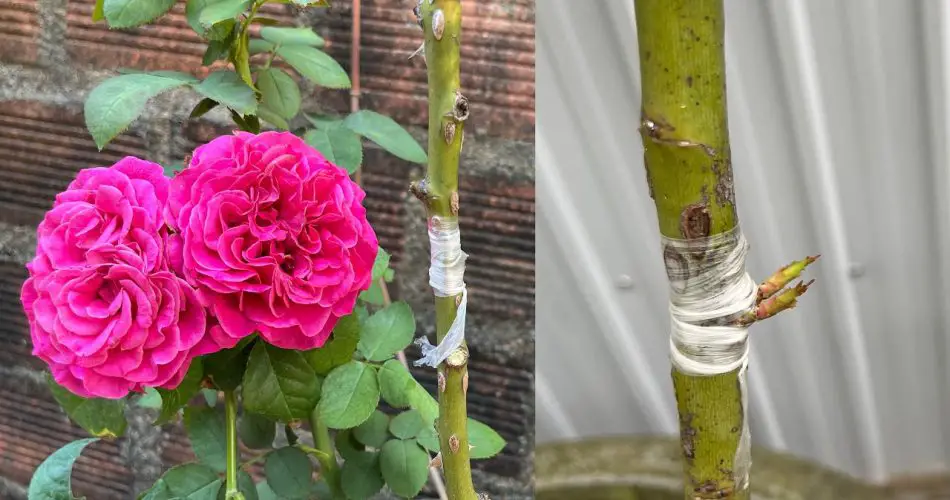
- Whip grafting, ideal for dormant periods, entails joining a scion (cutting from the desired rose) and rootstock by matching their diameters and making diagonal cuts. The two pieces are then bound together with grafting tape or wax, promoting fusion and subsequent growth.
- Cleft Grafting:
- Cleft grafting is effective for rootstocks with larger diameters. A vertical slit is made in the rootstock, into which a wedge-shaped scion is inserted. This method ensures a secure fit and facilitates rapid healing and growth.
- Chip Budding:
- Chip budding, suitable for budding season, involves creating a shield-shaped bud from the desired rose variety and inserting it beneath the bark of the rootstock. This method offers a high success rate and allows for precise placement of buds.
- Approach Grafting:
- Approach grafting, employed when both scion and rootstock are actively growing, entails bringing the two plants into close proximity and securing them together until graft union occurs. Once fused, the top portion of the rootstock is removed, leaving behind the grafted scion.
Essential Tips for Success:
- Selecting Healthy Stock:
- Choose vigorous rootstock and scion specimens free from disease and pests to ensure successful grafting and long-term plant health.
- Timing is Key:
- Coordinate grafting activities with the appropriate season and growth stage of the roses. Different methods may be more effective during dormant periods or active growing seasons.
- Precision in Cutting:
- Use sharp, clean tools to make precise cuts on both scion and rootstock, promoting proper alignment and union between the two.
- Optimal Conditions:
- Maintain a controlled environment with adequate moisture and protection from extreme temperatures to support graft healing and growth.
- Patience and Persistence:
- Grafting requires patience and practice. Don’t be discouraged by initial setbacks; persevere and refine your techniques to achieve mastery.
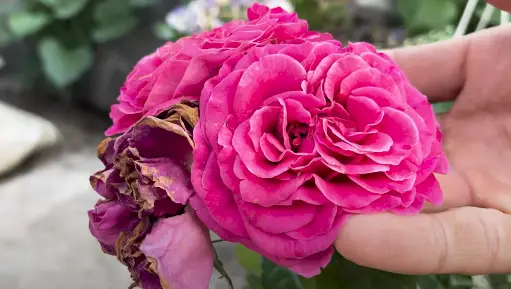
With the knowledge of various grafting techniques and adherence to essential tips, gardeners can confidently embark on the journey of rose grafting. By combining artistry with science, they unlock the potential to create exquisite rose specimens that embody the beauty and resilience of this beloved flower.
Show Comments