If you’re passionate about gardening or want to beautify your home with vibrant flowers and lush plants, you’re in the right place. Today, we’ll explore how to create homemade natural fertilizer for just 20 cents. It’s simple, effective, and budget-friendly!
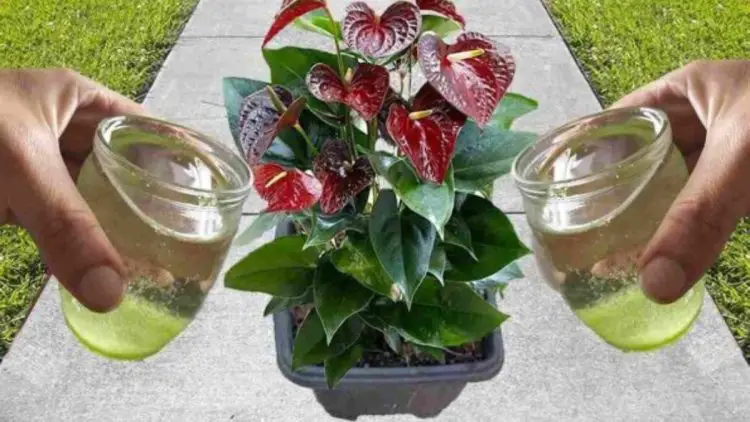
The Importance of Plant Care
Maintaining healthy plants requires some effort, but the results are absolutely worth it. Each plant has specific needs, and understanding these can prevent common issues like yellowing leaves or prematurely rotting flowers. The secret to thriving plants often lies in the nutrients they receive.
Why Do Plants Rot?
Several factors can contribute to plant rot, including:
- Watering and Drainage: Overwatering can suffocate roots, while poor drainage can lead to stagnation and fungal diseases.
- Pests: Insects can damage leaves and roots, impacting plant health.
- Nutrient Imbalance: Different plants have varying nutrient requirements. Lack or excess can hinder growth.
- Weather Conditions: Extreme weather, like strong winds or excessive sunlight, can cause wilting and rot.
Creating Your Own Natural Fertilizer
Are you ready to learn how to make your own natural fertilizer? It’s quick and requires minimal ingredients. All you need is:
- A blender
- 500 ml of water
- A fresh aloe vera leaf
Step-by-Step Process:
- Select a Leaf: Choose a fleshy, juicy aloe vera leaf for maximum nutrients.
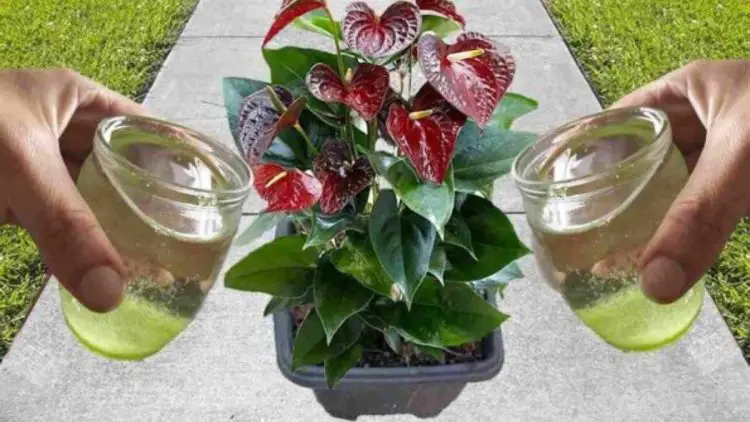
- Blend: Cut the leaf into small pieces and blend with water for at least 5 minutes.
- Strain: Filter the mixture through a sieve to separate the liquid.
- Apply: Water your plants with this homemade fertilizer. For added benefits, consider mixing in banana peels or coffee grounds.
Benefits of Aloe Vera for Plants
Aloe vera is a powerhouse for plant health. Its nutrients promote:
- Root Regeneration: Aloe’s anti-inflammatory properties help heal damaged roots.
- Essential Vitamins: Vitamins A, C, and E support photosynthesis and energy production.
- Growth Stimulation: Encourages new shoots and branches.
- Disease Protection: Aloe vera has antibacterial and antifungal properties, safeguarding your plants from pests and infections.
Essential Nutrients for Plants
Plants require a variety of nutrients to thrive, including:
- Macronutrients:
- Nitrogen (N): Vital for leaf and stem growth.
- Phosphorus (P): Promotes root and flower development.
- Potassium (K): Regulates photosynthesis and overall plant health.
- Micronutrients: Needed in smaller quantities but crucial for plant function, including iron, zinc, manganese, and molybdenum.
Choosing the Right Fertilizer
Natural fertilizers, such as compost or organic matter, provide a steady release of nutrients, while artificial fertilizers deliver nutrients more quickly but may deplete rapidly. For the health of both your plants and the environment, opting for natural solutions is always the best choice.
Now you have the tools to create a powerful natural fertilizer for just 20 cents! Enjoy watching your plants flourish with this eco-friendly approach.