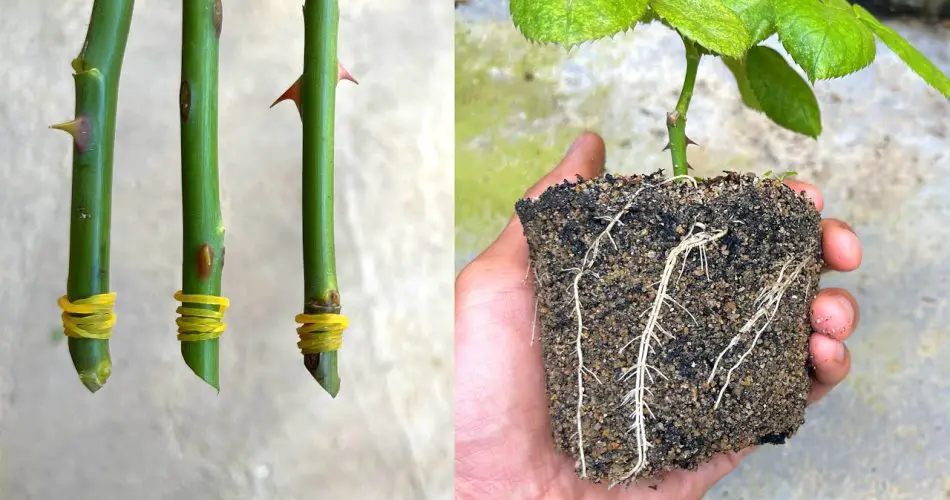
Innovate and Bloom: A New Approach to Propagate Rose Branches
Propagating roses is a timeless practice, but there’s always room for innovation in the gardening world. In this article, we’ll explore a fresh and creative method for propagating rose branches that deviates from traditional techniques. This new approach offers a unique twist to expand your rose garden with ease.
The New Way: Propagating Rose Branches
1. Selecting Healthy Rose Branches:
- Choose healthy and disease-free rose branches for propagation. Opt for branches that have recently bloomed and show signs of vigorous growth.
2. Identifying Nodes for Cutting:
- Locate the nodes on the selected rose branches. Nodes are essential points where leaves and stems emerge, and they play a crucial role in the development of roots.
3. Pruning the Rose Branch:
- Instead of traditional cutting, gently prune the rose branch at a 45-degree angle, leaving a slightly longer stem than usual. This unique angle promotes optimal water absorption and encourages robust root development.
4. Application of Rooting Hormone:
- To boost the chances of successful propagation, apply a rooting hormone to the freshly pruned end of the rose branch. Rooting hormones stimulate the growth of roots and enhance the plant’s ability to establish itself.
5. Planting in a Unique Medium:
- Departing from conventional soil, consider planting the pruned rose branches in a unique medium. A blend of coconut coir and perlite creates a well-aerated, moisture-retentive environment that supports root growth.
6. Enclosing in a Plastic Dome:
- Cover the newly planted rose branches with a plastic dome or create a makeshift greenhouse using plastic wrap. This enclosure traps humidity, creating an ideal environment for root development.
7. Placement in Indirect Light:
- Place the pruned rose branches in an area with bright, indirect light. Avoid exposing them to direct sunlight initially to prevent stress and ensure a gradual acclimation process.
8. Regular Mist and Monitoring:
- Regularly mist the enclosed area to maintain high humidity levels. Monitor the rose branches for signs of growth, ensuring that the unique medium provides the necessary support for root development.
9. Transplanting with Care:
- Once the rose branches exhibit strong root systems and healthy new growth, carefully transplant them into larger pots or directly into the garden. Ensure the soil provides proper drainage and nutrients for sustained development.
Advantages of the New Propagation Method:
- Enhanced Root Development: The unique pruning angle and application of rooting hormone contribute to robust root development, promoting a stronger foundation for the propagated rose branches.
- Innovative Planting Medium: The use of coconut coir and perlite provides an innovative planting medium that balances aeration and moisture retention, creating an optimal environment for root growth.
- Humidity Enclosure: The plastic dome or makeshift greenhouse enhances humidity levels, mimicking the conditions of a natural nursery and increasing the success rate of propagation.
Conclusion:
Embrace innovation in your gardening journey by trying this new approach to propagate rose branches. By incorporating unique pruning angles, specialized planting mediums, and careful environmental control, you can enhance the success and vitality of your propagated roses. Experiment with this fresh method and witness your rose garden flourish with new growth and blooming beauty.


