Preparing your balcony for the summer involves more than just selecting plants; it requires thoughtful planning based on your balcony’s orientation and space. Here are key tips to help you plant your balcony effectively, whether it’s large or small.
Step 1: What Do I Want to Plant?
Decide on the type of plants you want. Do you prefer decorative plants only, or are you interested in growing fruits, vegetables, and herbs? Kitchen herbs are a fantastic choice if you enjoy cooking and want fresh ingredients at your fingertips.
Step 2: What Is the Geographical Orientation of My Balcony?
Understanding your balcony’s orientation is crucial for plant selection:
- South-Facing Balconies: Benefit from morning sun and minimal shade. Choose sun-loving flowers and plants.
- East and West-Facing Balconies: Receive afternoon sun or are partially shaded. Opt for plants that tolerate partial shade.
- North-Facing Balconies: Best suited for plants that require little sunlight.
Step 3: Where to Plant?
Consider the space available and whether you plan to include furniture:
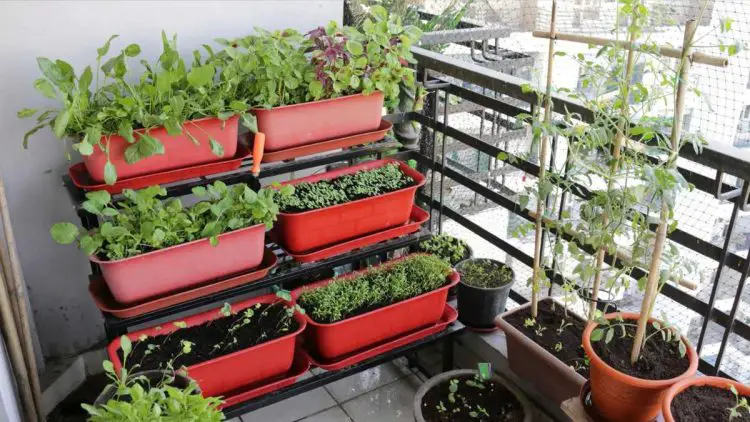
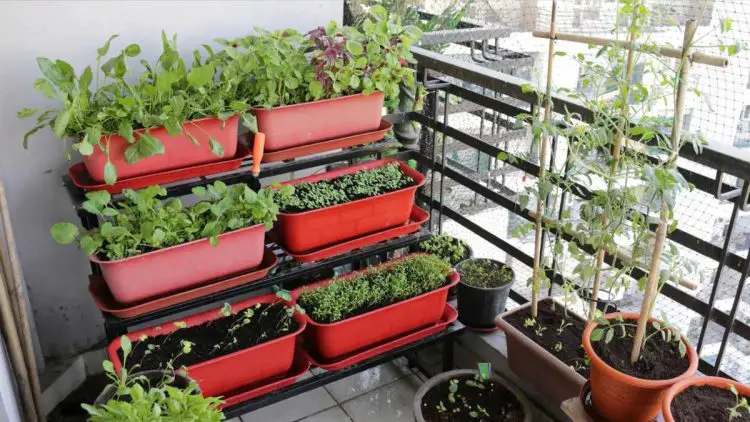
- Small Balconies: Use planters that extend beyond the balcony edge. Look for compact plant varieties, such as certain cucumbers, and use vertical planters or trellises to maximize space.
- Large Balconies: Large flower pots are ideal for tall plants like olive or lemon trees. You could also install a raised bed for growing vegetables and fruits.
Step 4: How Much Time Do I Have?
Your investment of time should match your plant choices:
- Low-Maintenance Options: Choose flowering ornamental plants and aromatic herbs like mint and thyme if you want a beautiful balcony with minimal effort.
- More Involved Gardening: Consider growing vegetable plants like tomatoes if you’re ready for a bit more work.
Step 5: Which Plants Are Compatible?
Research plant compatibility to avoid nutrient competition. Some plants do better when grown together, while others may not. For example, certain herbs should not be planted next to each other.
Step 6: Monitor Plant Growth
Ensure your plants have enough room to grow. Avoid overcrowding containers as some plants, like lavender, can grow quite tall. Be cautious with climbing plants such as ivy, which may require management if they become too large.
Additional Tips:
- Color Coordination: Limit your color palette to two or three colors to avoid a cluttered look. White flowers pair well with any color scheme.
- Use Fresh Soil: Discard old soil from previous years as it loses nutrients and can harbor harmful fungi. Invest in quality, peat-free soil to protect peatlands.
- Regular Maintenance: Remove wilted or dried plant parts to help the plant focus on growth.
- Buy Established Plants: For ease, purchase young vegetable and fruit plants from a nursery. Examine the roots—they should be white or beige and not emerging from the pot. Water the plant thoroughly before planting by soaking it in a bowl of water until air bubbles cease.
By following these steps, you’ll ensure a thriving balcony garden that suits your space and lifestyle. Preparing your balcony for the summer involves more than just selecting plants; it requires thoughtful planning based on your balcony’s orientation and space. Here are key tips to help you plant your balcony effectively, whether it’s large or small.
Step 1: What Do I Want to Plant?
Decide on the type of plants you want. Do you prefer decorative plants only, or are you interested in growing fruits, vegetables, and herbs? Kitchen herbs are a fantastic choice if you enjoy cooking and want fresh ingredients at your fingertips.
Step 2: What Is the Geographical Orientation of My Balcony?
Understanding your balcony’s orientation is crucial for plant selection:
- South-Facing Balconies: Benefit from morning sun and minimal shade. Choose sun-loving flowers and plants.
- East and West-Facing Balconies: Receive afternoon sun or are partially shaded. Opt for plants that tolerate partial shade.
- North-Facing Balconies: Best suited for plants that require little sunlight.
Step 3: Where to Plant?
Consider the space available and whether you plan to include furniture:
- Small Balconies: Use planters that extend beyond the balcony edge. Look for compact plant varieties, such as certain cucumbers, and use vertical planters or trellises to maximize space.
- Large Balconies: Large flower pots are ideal for tall plants like olive or lemon trees. You could also install a raised bed for growing vegetables and fruits.
Step 4: How Much Time Do I Have?
Your investment of time should match your plant choices:
- Low-Maintenance Options: Choose flowering ornamental plants and aromatic herbs like mint and thyme if you want a beautiful balcony with minimal effort.
- More Involved Gardening: Consider growing vegetable plants like tomatoes if you’re ready for a bit more work.
Step 5: Which Plants Are Compatible?
Research plant compatibility to avoid nutrient competition. Some plants do better when grown together, while others may not. For example, certain herbs should not be planted next to each other.
Step 6: Monitor Plant Growth
Ensure your plants have enough room to grow. Avoid overcrowding containers as some plants, like lavender, can grow quite tall. Be cautious with climbing plants such as ivy, which may require management if they become too large.
Additional Tips:
- Color Coordination: Limit your color palette to two or three colors to avoid a cluttered look. White flowers pair well with any color scheme.
- Use Fresh Soil: Discard old soil from previous years as it loses nutrients and can harbor harmful fungi. Invest in quality, peat-free soil to protect peatlands.
- Regular Maintenance: Remove wilted or dried plant parts to help the plant focus on growth.
- Buy Established Plants: For ease, purchase young vegetable and fruit plants from a nursery. Examine the roots—they should be white or beige and not emerging from the pot. Water the plant thoroughly before planting by soaking it in a bowl of water until air bubbles cease.
By following these steps, you’ll ensure a thriving balcony garden that suits your space and lifestyle.