Planting potatoes in the autumn offers several advantages, including an earlier harvest compared to early potatoes and reduced vulnerability to wireworm.

Have you ever noticed how old potatoes left in the compost before winter happily sprout new shoots? Even those forgotten in the garden manage to grow and yield a substantial harvest. This observation inspired the Irish, who have been planting their potatoes in September for hundreds of years. Let’s explore the benefits of this practice and what you should consider.
Advantages of Autumn Planting
Potatoes planted in September benefit from the autumn moisture, allowing them to form roots before winter. Once the soil warms up in spring, aerial growth begins. Additionally, these potatoes are less susceptible to wireworm infestations, as autumn tends to be much wetter than spring.
Interestingly, potatoes planted in the fall can outpace early potatoes in terms of harvest time.
What Types of Potatoes to Plant in Autumn
For autumn planting, it’s best to use early potatoes. To ensure they withstand frost, plant the tubers a bit deeper than in spring—especially in regions with harsher climates. Choose relatively large tubers, as they need sufficient strength to push their shoots to the surface.
Key Considerations for Fall Planting
Planting in September allows you to take advantage of residual soil moisture. Over the winter, the tubers establish their roots, and come spring, the plants begin to grow. To prevent the tubers from freezing, plant them about 20 centimeters deep. This depth helps protect them from harsh conditions while also keeping them free from wireworm attacks, leading to an earlier harvest.
Preparing the Bed for Potatoes
To succeed, ensure your potato bed receives plenty of sunlight; planting in a shady area won’t yield good results. If the winter sun warms the soil, it encourages growth. Start with a nutrient-rich bed from the previous year, and consider spreading mature compost about four weeks before planting. Mixing in dry leaves—approximately six centimeters thick—can also enhance the soil. Remember to thoroughly loosen the soil before planting.
Preparing the Potato Bed
Avoid planting potatoes in an area where they have grown in the last four years to reduce the risk of pests and diseases. It’s beneficial to plant where crops like beans, peas, or spinach were grown previously.
The Right Planting Technique
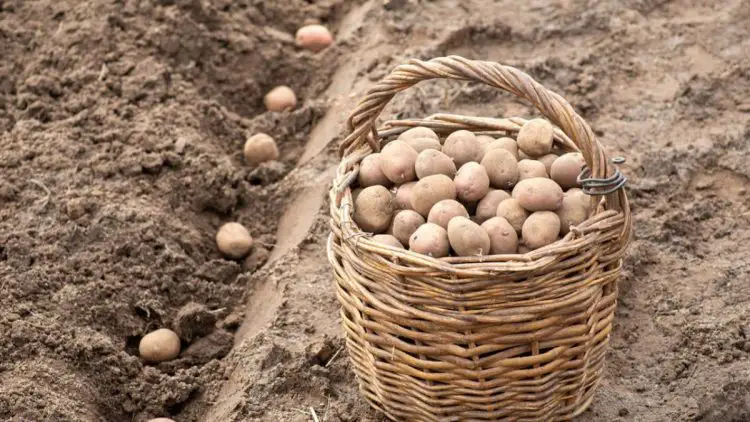
When planting, ensure the soil is still open. Ideally, the bed should be slightly dry to prevent soil compaction, which isn’t suitable for potatoes. Use a hoe to create furrows about 20 centimeters deep and plant the potato seeds at intervals of 20 to 30 centimeters. After planting, cover the seeds with soil and mound the rows slightly.
Applying bark mulch helps retain moisture and insulates the soil from the cold. To allow the soil to warm up in spring, remove the mulch early. If cold weather persists, consider using thermal fleece or newspaper weighted down with stones for additional insulation.
By following these guidelines, you can enjoy a successful potato harvest with your autumn plantings!