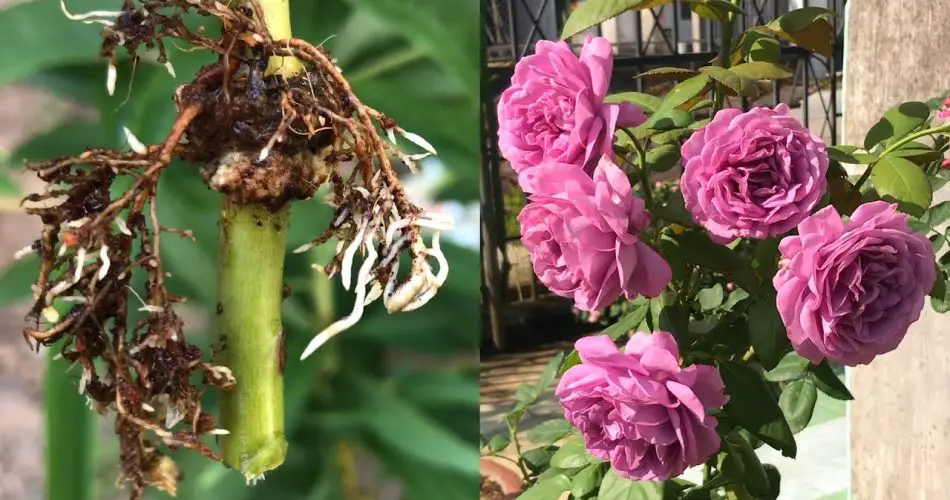
Home Gardener’s Guide to Propagating Roses: Extracting Branches for Abundant Blooms
Propagating roses at home can be a rewarding endeavor, allowing you to expand your rose garden with ease. One effective method is propagating roses by extracting branches, a simple yet powerful technique that encourages robust growth and abundant blooms. In this guide, we’ll walk you through the steps to successfully propagate roses and watch your garden flourish with the beauty of these timeless flowers.
Steps for Propagating Roses by Extracting Branches:
- Selecting Healthy Parent Plants:
- Choose healthy and disease-free rose bushes as your parent plants. Opt for varieties that have desirable traits such as vibrant blooms, strong stems, and pleasing fragrance.
- Timing Matters:
- The best time to extract branches for propagation is during the dormant season, typically in late winter or early spring. This allows the roses to establish roots before the growing season.
- Gather Necessary Tools:
- Prepare sharp, sterilized pruning shears or scissors, a rooting hormone, and small pots filled with a well-draining potting mix.
- Identify Suitable Branches:
- Look for strong and mature branches on the parent plant. Choose branches that are about the thickness of a pencil and have at least three nodes (the points where leaves are attached).
- Make Clean Cuts:
- Using your sterilized pruning shears or scissors, make clean cuts at a 45-degree angle just below a node for each selected branch. Remove any flowers or buds from the cutting.
- Apply Rooting Hormone:
- Dip the cut end of each branch into a rooting hormone to encourage the development of roots. Shake off any excess hormone to prevent overapplication.
- Planting in Pots:
- Insert the treated ends of the branches into the prepared pots with potting mix, ensuring at least one node is buried beneath the soil. Water the pots thoroughly.
- Create a Mini Greenhouse:
- To create a conducive environment for root development, cover the pots with plastic wrap or place them inside plastic bags. This helps maintain humidity and temperature for successful propagation.
- Provide Indirect Light:
- Place the pots in an area with indirect light. Avoid exposing the cuttings to direct sunlight, as this may cause stress.
- Monitor and Transplant:
- Regularly check the soil moisture and mist the cuttings if needed. After a few weeks, when the cuttings have developed sufficient roots, transplant them into individual pots or directly into the garden.
Tips for Successful Rose Propagation:
- Choose the Right Varieties:
- Propagate roses from varieties that are well-suited to your climate and soil conditions. This ensures the success and adaptability of the new plants.
- Maintain Consistent Moisture:
- Keep the soil consistently moist but not waterlogged during the rooting phase. Adequate moisture is crucial for the development of a healthy root system.
- Patience is Key:
- Propagation is a gradual process, and it requires patience. Be attentive to the needs of your cuttings and allow them the time to establish strong roots.
- Protect from Extreme Conditions:
- Shield your newly propagated roses from extreme weather conditions, whether it be excessive heat or cold. Gradually acclimate them to outdoor conditions before transplanting into the garden.
By following these steps and tips, you can successfully propagate roses in your home garden, creating a flourishing array of these beloved flowers. Extracting branches for propagation is a satisfying and cost-effective way to expand your rose collection, and it allows you to share the beauty of roses with friends and fellow gardeners. Enjoy the process of nurturing and watching your propagated roses bloom into vibrant and fragrant additions to your garden landscape.


