Growing Roses in the Sand: A Guide to Propagating Rose Branches and Cultivating Strong Root Systems
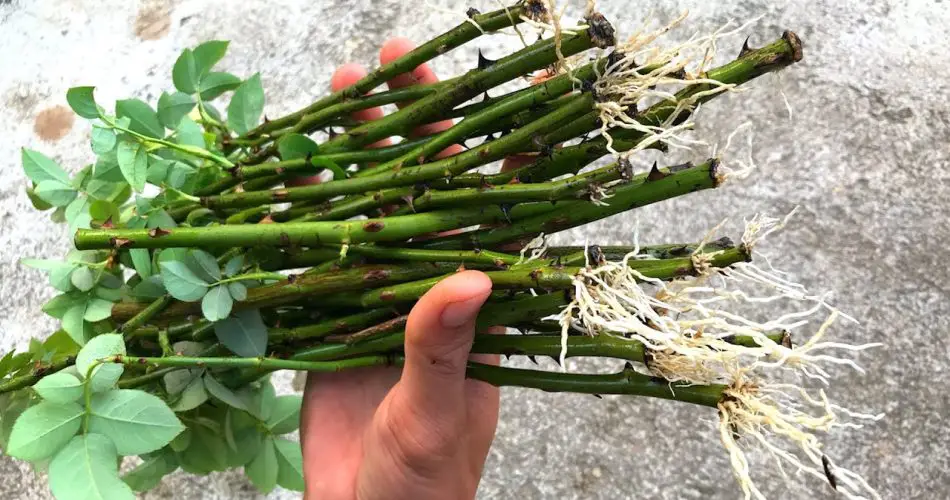
Roses, with their timeless beauty and aromatic allure, are garden classics. If you’ve ever wondered about propagating rose branches in the sand, you’re in for a treat. In this guide, we’ll explore the art of rose propagation through sand and share insights into planting roses that develop robust root systems, ensuring a flourishing garden filled with blooming beauties.
Propagating Rose Branches in the Sand
- Selecting Healthy Rose Branches: Begin the propagation journey by selecting healthy rose branches. Opt for young, disease-free stems that showcase vigorous growth. Healthy cuttings increase the likelihood of successful root development.
- Preparing the Sand Medium: Choose coarse sand with good drainage properties for propagating rose branches. Fill a container or tray with the sand, ensuring it’s clean and free from contaminants. The sandy medium provides stability and promotes optimal aeration for root growth.
- Taking Rose Cuttings: Use sharp and clean pruning shears to take rose cuttings. Each cutting should be around 6 to 8 inches long, with a diagonal cut just below a leaf node. Remove any flowers or buds to redirect the plant’s energy toward root development.
- Dipping in Rooting Hormone (Optional): While optional, dipping the cut end of each rose cutting into rooting hormone can enhance the chances of successful root development. Rooting hormone stimulates the growth of roots, giving your cuttings a head start in the propagation process.
- Planting Rose Cuttings in Sand: Make small holes in the sand using a stick or pencil. Insert the rose cuttings into the holes, burying them deep enough to provide stability. Ensure that at least one or two leaf nodes are beneath the surface.
- Maintaining Moisture Levels: Keep the sand consistently moist but not waterlogged. Mist the cuttings regularly or water when the top layer of the sand feels slightly dry. Adequate moisture is crucial for the initiation of root growth.
- Providing Indirect Sunlight: Place the container or tray with the rose cuttings in an area with indirect sunlight. Protect them from intense midday sun, as excessive heat can stress the cuttings. A bright, filtered light is ideal for encouraging successful propagation.
How to Plant Roses with Many Roots
- Selecting the Right Location: When transplanting your rooted rose cuttings or store-bought rose plants, choose a location with well-draining soil and at least six hours of sunlight per day. Roses thrive in sunny conditions.
- Digging a Suitable Hole: Dig a hole that is wide and deep enough to accommodate the roots of the rose plant. Loosen the soil at the bottom of the hole to encourage root penetration.
- Amending the Soil: Roses prefer well-draining soil with organic matter. Amend the soil with compost or well-rotted manure to provide essential nutrients and enhance drainage.
- Teasing Out the Roots: Before planting, gently tease out the roots of the rose plant. This helps them adapt to their new surroundings and encourages outward growth.
- Placing the Rose Plant in the Hole: Position the rose plant in the center of the hole, ensuring that the graft union (if applicable) is above the soil level. Spread the roots evenly in the hole.
- Backfilling and Watering: Backfill the hole with soil, pressing it down gently to eliminate air pockets. Water the plant thoroughly to settle the soil and provide hydration to the roots.
- Mulching and Maintenance: Apply a layer of organic mulch around the base of the rose plant to conserve moisture and suppress weeds. Water the roses regularly, and feed them with a balanced fertilizer during the growing season.
Propagating rose branches in the sand and planting roses with robust root systems involve careful attention and consideration. By following these steps, you’ll set the stage for successful rose propagation and establish a foundation for healthy, blooming roses in your garden. Embrace the beauty of these timeless flowers and enjoy the rewards of your gardening efforts.