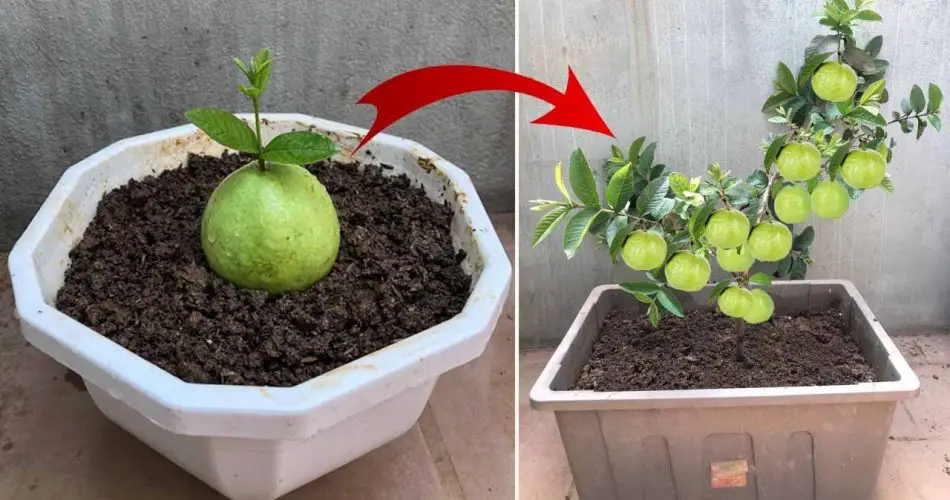
Discover the fascinating world of plant breeding with a unique twist: cross-breeding lime with beetroot. This innovative approach might seem unconventional, but it opens up exciting possibilities for creating new plant varieties with diverse characteristics. Here’s how you can explore the process of breeding these two distinct plants and what you need to know to get started.
Why Consider Cross-Breeding Lime with Beetroot?
Cross-breeding plants involves combining the traits of two different species to create new varieties with unique attributes. While lime and beetroot are genetically distinct, experimenting with cross-breeding can lead to novel plant characteristics, such as enhanced flavor profiles, improved nutritional content, or new plant forms. This process is not just about creating hybrids; it’s about exploring the potential for innovation in plant cultivation.
Understanding Plant Breeding Basics
Before diving into cross-breeding lime and beetroot, it’s essential to grasp the basics of plant breeding:
- Genetics: Plant breeding involves manipulating the genetic material of plants to achieve desired traits.
- Pollination: The transfer of pollen from one plant to another is a crucial step in creating hybrids.
- Selection: Identifying and selecting plants with the desired traits is key to successful breeding.
Step-by-Step Guide to Cross-Breeding Lime with Beetroot
- Prepare the Parent Plants:
- Lime Trees: Choose a healthy lime tree (Citrus aurantiifolia) that is in flowering stage. Ensure it has well-developed blossoms for pollination.
- Beetroot Plants: Select mature beetroot (Beta vulgaris) plants with flowering stalks. Beetroots typically produce flowers in their second year.
- Pollination Process:
- Collect Pollen: Gently collect pollen from the beetroot flowers using a small brush or cotton swab.
- Transfer Pollen: Carefully transfer the beetroot pollen to the lime flowers. This step requires precision to ensure successful pollination.
- Monitor and Care:
- Observe: Watch for the development of fruit or seed pods on the lime tree. If pollination is successful, you may see a combination of traits in the new fruits or seeds.
- Maintain Conditions: Ensure both plants are in optimal growing conditions. Provide adequate water, sunlight, and nutrients to support healthy development.
- Harvest and Evaluate:
- Harvest Seeds or Fruits: Once the fruits or seeds are mature, collect them for evaluation.
- Evaluate Results: Assess the new plants for desired traits. Note any unique characteristics that result from the cross-breeding process.
Benefits of Cross-Breeding Lime with Beetroot
- Innovative Varieties: You might create new plant varieties with unique flavor profiles, colors, or textures that blend the characteristics of lime and beetroot.
- Enhanced Nutrition: Combining traits could result in plants with improved nutritional content or health benefits.
- Creative Gardening: Cross-breeding offers a creative and experimental approach to gardening and plant cultivation.
Challenges and Considerations
- Genetic Compatibility: Lime and beetroot belong to different plant families and may not be genetically compatible for successful cross-breeding.
- Time and Patience: The process of breeding and evaluating new plant varieties can be time-consuming and may require patience and persistence.
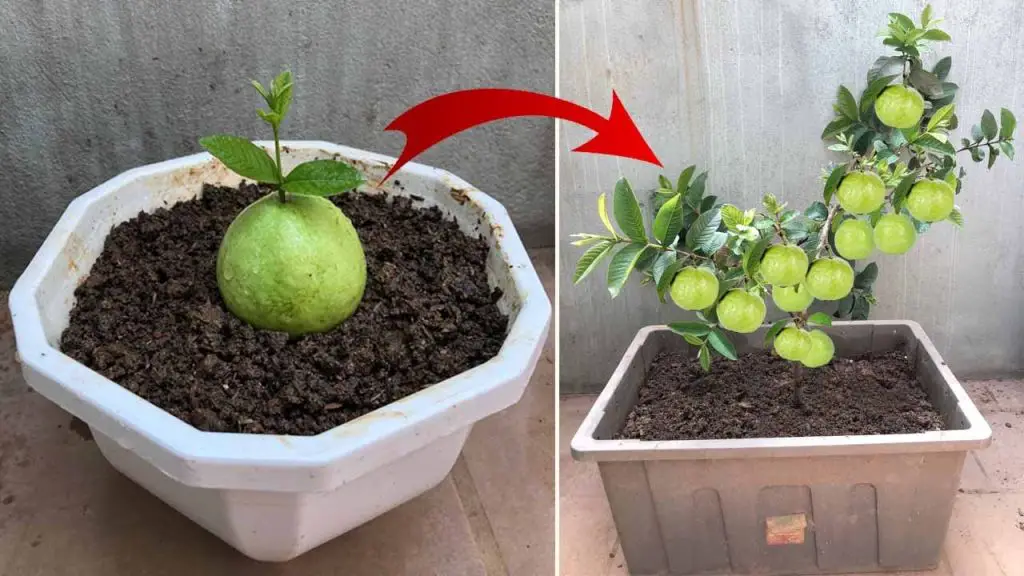
Tips for Successful Plant Breeding
- Research: Study the genetic compatibility of the plants you wish to cross-breed. Understanding their genetics can improve your chances of success.
- Experimentation: Don’t be afraid to experiment with different methods and techniques. Plant breeding often involves trial and error.
- Documentation: Keep detailed records of your breeding efforts, including pollination dates, plant characteristics, and results.
By exploring the possibilities of cross-breeding lime with beetroot, you embark on an exciting journey into plant innovation. While this particular combination may present challenges, it highlights the potential for creating new and intriguing plant varieties through creative experimentation. Embrace the adventure of plant breeding and discover the unique possibilities it offers.


