“Tiny Feathers, Big Adventures: Introducing the Smallest Chicken Breed to a New Play Area”
Dive into the charming world of miniature poultry as we explore the delights of the smallest chicken breed and the excitement of a brand-new play area. These diminutive feathered friends may be small in stature, but their personalities and playful antics are bound to steal your heart. Join us in discovering the joy of introducing the smallest chicken breed to a specially designed play space that promises big adventures.
1. Meet the Tiny Marvels:
- Bantams:
- Bantam chickens, renowned for their petite size and vibrant personalities, are among the smallest chicken breeds. These pocket-sized birds come in various breeds, each with its unique characteristics and delightful plumage.
- Serama Chickens:
- Serama chickens, often considered the smallest breed globally, are a true testament to miniaturized perfection. Despite their small size, Seramas exude charm and are known for their friendly demeanor.
2. Creating the Perfect Play Area:
- Scale-Appropriate Features:
- Design a play area that is scaled appropriately for the smallest chicken breed. Incorporate miniature structures such as low perches, tiny shelters, and even a shallow dust bath to cater to their size.
- Safe and Secure Environment:
- Ensure the play area is secure, with proper fencing to prevent any unwanted visitors. These tiny chickens may be more vulnerable, so a safe environment is crucial for their well-being.
3. Enrichment Activities:
- Toy Treasures:
- Introduce toys and enrichment activities suitable for small chickens. Miniature tunnels, tiny hanging mirrors, and pecking toys can provide entertainment and mental stimulation.
- Vegetative Hideouts:
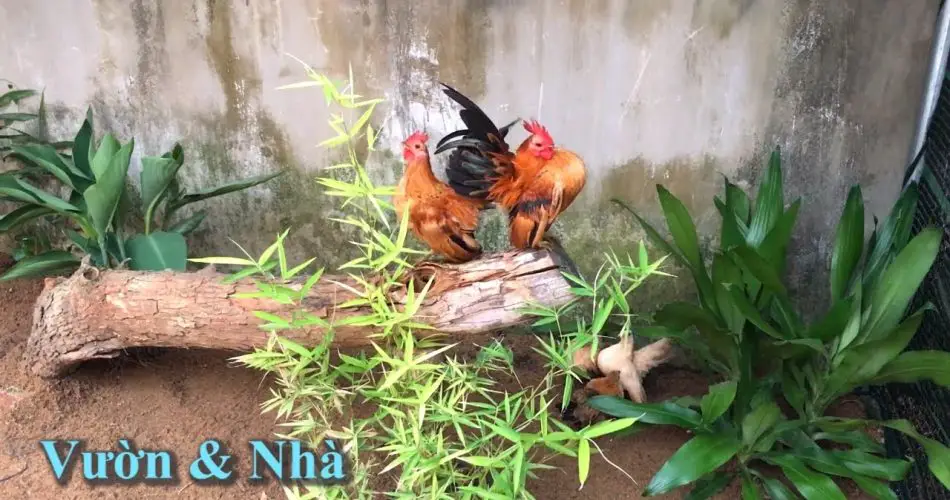
- Incorporate small potted plants or low shrubs to create natural hiding spots. The smallest chicken breed will relish the opportunity to explore and forage in a lush and inviting environment.
4. Socializing and Interaction:
- Communal Spaces:
- Design communal spaces where the tiny chickens can interact with each other. Low feeding stations and cozy nooks encourage socializing and bonding among the flock.
- Human Interaction:
- Spend quality time interacting with the smallest chicken breed. Gentle handling and positive human contact contribute to their sociable nature and build trust.
5. Safety Measures:
- Predator-Proofing:
- Implement predator-proof measures to safeguard the tiny chickens. Even the smallest predators pose a threat, so fortify the play area with secure fencing and consider elevated perches for nighttime safety.
- Temperature Considerations:
- Be mindful of temperature fluctuations, especially for these smaller breeds that may be more susceptible to extreme weather. Provide adequate shade and shelter to ensure their comfort.
6. Admiring the Antics:
- Observing Playful Behaviors:
- Revel in the joy of observing the playful behaviors of the smallest chicken breed in their new play area. From mini dust baths to enthusiastic foraging, these tiny marvels are sure to provide endless entertainment.
- Capturing Moments:
- Document the adorable moments with your smallest chickens in their play area. These memories of joyful exploration and camaraderie will undoubtedly become cherished highlights of your poultry-keeping adventure.
Welcoming the smallest chicken breed to a new play area is a delightful journey filled with miniature wonders and big-hearted charm. As these tiny feathered friends embark on their playful escapades, you’ll find yourself immersed in the enchanting world of miniature poultry keeping. Whether you’re a seasoned chicken enthusiast or a newcomer to the joys of backyard flocks, the smallest chicken breed is sure to leave a lasting impression with their endearing personalities and delightful antics in their specially crafted play space.