Snails and Slugs in the Garden: Fight Them Without Chemicals
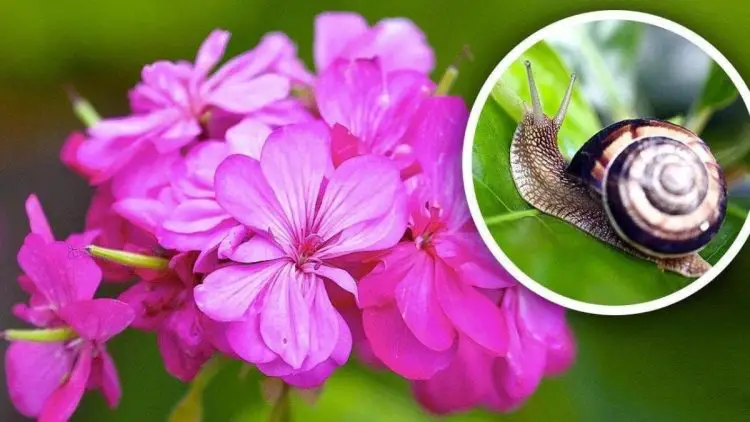
Snails are a common nuisance in gardens, but luckily, there are natural ways to keep them at bay. In this article, you’ll learn how to get rid of slugs and keep your garden healthy without relying on chemicals.
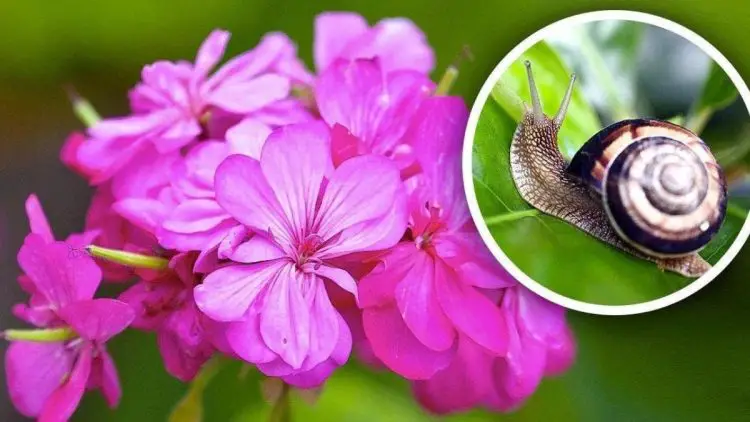
Why Are There So Many Slugs in My Garden?
Slugs and snails are particularly drawn to gardens and lawns because they offer the perfect environment: regular watering, protection from the sun and wind, and a variety of fresh leaves and young shoots—which are often their favorites. Even after light rain, these pests thrive in the moisture-rich areas of well-maintained gardens.
During the warm, sunny months, snails and slugs tend to hide in cool, damp corners or under dense ground covers, leaf litter, and abandoned objects like boards. They typically come out at night or on cloudy days. To make your garden less attractive to them, try:
- Eliminating hiding spots like underbrush and leaf piles
- Using drip irrigation instead of overhead watering to keep the soil drier
- Planting drought-tolerant plants that require less water
Which Flowers Keep Slugs Away?
There are several flowers you can plant that naturally deter slugs and snails. Here are some great options:
Nasturtium (Capucine)
Nasturtiums are not only beautiful but also serve as a natural repellent against slugs. Their bitter-tasting leaves and distinctive smell make them unappealing to these pests. Nasturtiums are also easy to grow and require minimal care, making them an excellent choice for any garden.
Lavender
Lavender is known for its intense fragrance and the fine, hair-like coating on its leaves that slugs dislike. This plant doesn’t just repel snails—it also works against ants and aphids. Lavender is a hardy, low-maintenance plant that will add beauty and fragrance to your garden while keeping pests away.
Phlox (Panicle Flower)
Phlox is a fragrant plant that blooms in white, pink, or purple flowers during the summer. While it attracts beneficial insects like butterflies, it also repels slugs and snails. The texture and taste of its leaves are unpleasant to these pests, making it an excellent choice for pest control.
Daylilies (Lily)
Daylilies are easy to grow, require little care, and can thrive for years without replanting. Their long, grassy leaves form dense tufts that slugs find difficult to penetrate, making them an effective natural barrier against pests in the garden.
Stonecrop (Sedum)
Stonecrop, or sedum, is a tough, low-maintenance plant that’s resistant to frost, drought, and pests, including slugs. Its thick, fleshy leaves are inedible to slugs, making it an excellent choice for gardens, especially rockeries or decorative compositions.
Other Natural Tips to Keep Slugs and Snails Away
In addition to planting slug-repellent flowers, there are a few household tips you can use to discourage slugs and snails from invading your garden:
- Ashes: Spread wood ash around plants or pots. Slugs don’t like crawling over the ash, and they will likely move on to a more hospitable spot.
- Eggshells: Crushed eggshells create a sharp, gritty barrier around plants that slugs find uncomfortable to crawl over.
- Lettuce or Celery Traps: Place a few small lettuce or celery leaves near slug-prone plants. Slugs will prefer to eat these instead of your prized plants.
- Garlic Spray: To make a natural garlic repellent, crush 4 garlic cloves and add them to 1 liter of boiling water. Let it sit for 12 hours, strain, and dilute with 1 liter of water. Spray the solution on plants to repel slugs and snails.
Conclusion
Dealing with slugs and snails in the garden doesn’t have to involve chemicals. By planting certain flowers like nasturtium, lavender, phlox, and daylilies, and using simple household remedies like ashes, eggshells, and garlic, you can create a slug-free zone while keeping your garden healthy and beautiful. Try these natural methods and enjoy a thriving, chemical-free garden!