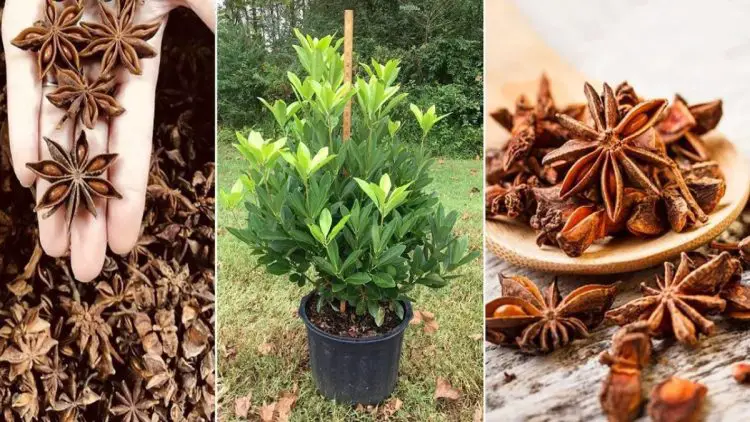
Learn how to grow star anise and enjoy an unlimited supply of this aromatic spice in your garden! Widely used in Southeast Asian cuisines, star anise features stunning flowers and star-shaped fruits, making it a delightful addition to any garden.
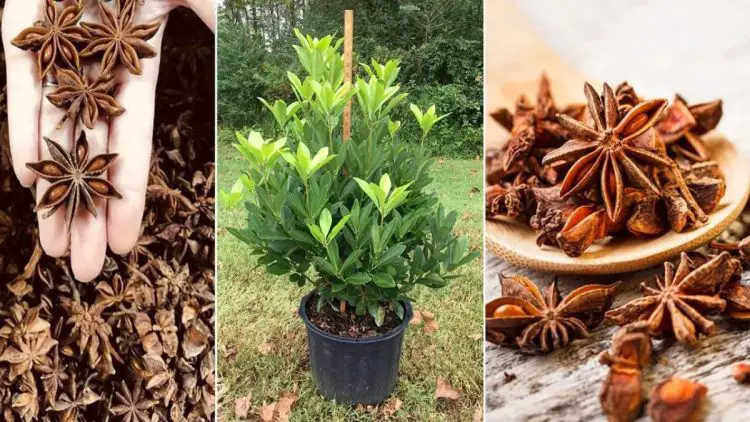
Star Anise Profile
Originating in southeastern China, star anise accounts for 80-90% of the world’s production. Best suited for subtropical regions, it may require greenhouses in colder climates. This tropical evergreen tree can reach heights of 15 to 20 feet, boasting large, glossy green leaves and beautiful white flowers.
Propagation of Star Anise
Star anise can be propagated via seeds or cuttings. For seeds, the optimal temperature is between 18 and 20°C. As they dislike transplanting, sow them directly in pots or the garden.
- Water frequently to keep the soil moist and ensure proper drainage.
For cuttings, take a healthy 5- to 6-inch stem near a leaf node, scrape the ends, and plant it in a mixture of peat moss, perlite, and sand. Water well and provide ample light.
Note: Seed propagation is recommended, though it can be time-consuming. Consider purchasing a well-grown plant from a nursery for quicker results.
Choosing the Right Pot
Star anise thrives in pots, making it accessible even for those without a large garden. Start with a 12- to 14-inch pot and transplant to a larger one once roots are visible.
Requirements for Growing Star Anise
- Sunlight:
- Needs shade to partial sun. In cooler climates, plant it in a warm, sunny spot, avoiding exposure to cold winds and afternoon sun to prevent leaf burn.
- Temperature and Humidity:
- Prefers a warm subtropical climate with high humidity. Vulnerable to frost, it should be kept above 15°F (-10°C). In colder regions, keep it in a container for greenhouse or indoor protection during winter.
- Soil:
- Requires a well-draining, slightly acidic medium. A good mix includes peat, river sand, well-rotted manure, and perlite, with a pH between 6.0 and 7.5.
- Watering:
- Maintain slightly moist soil. Reduce watering in cold, wet months, but avoid letting the medium dry out completely.
Star Anise Care
- Fertilizer:
- If the growing medium is rich in organic matter, minimal feeding is needed. Use aged manure or compost monthly, or a diluted balanced liquid fertilizer every 4 to 6 weeks.
- Pests and Diseases:
- Generally resistant, star anise has antibacterial properties. Occasionally, it may face fungal issues like early blight or downy mildew. Prune affected stems and use insecticidal soap as needed.
- Size and Pruning:
- Pinch back young plants to encourage bushiness. Regularly prune dead, diseased, or weak branches.
Harvesting Star Anise
Star anise requires at least 6 years to bear fruit from seeds. Fruits are picked while green and dried until they turn reddish-brown. The seeds can then be removed for storage.
Uses of Star Anise
This flavorful spice enhances meat dishes, stews, soups, and desserts. Integral to Chinese cuisine, it’s part of the “Chinese Five Spices,” alongside fennel seeds, cloves, cinnamon, and pepper. Beyond culinary uses, star anise also offers numerous pharmacological benefits.
By following these guidelines, you can successfully grow and enjoy your own supply of star anise right from your garden!