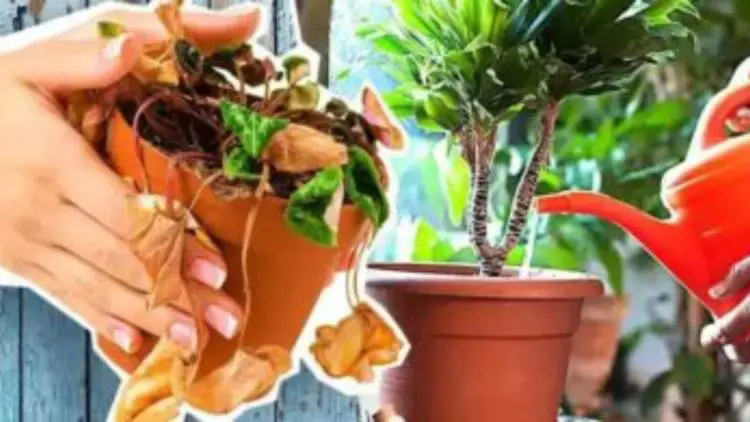
Plant care can be challenging, whether you’re nurturing them indoors or outdoors. To ensure your plants thrive, it’s essential to understand their growing conditions and avoid mistakes that could lead to their demise. One of the most critical issues is related to watering. Here’s what you need to know to prevent your plants from wilting.
What Is the Mistake That Can Kill Indoor Plants?
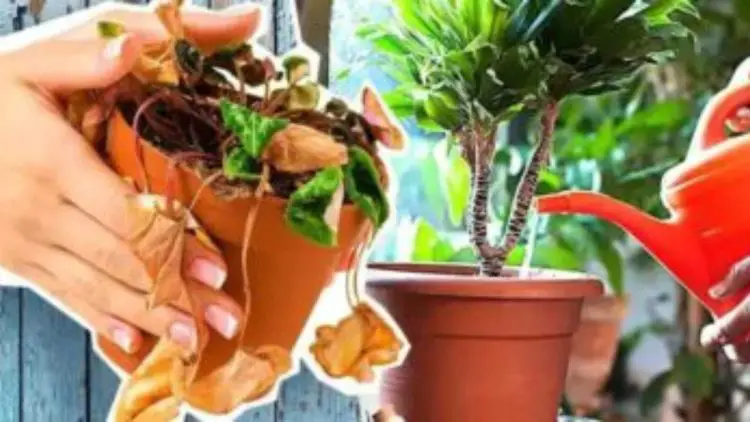
According to Etienne Laurentides, a horticulturist and landscaper, the biggest mistake that can be fatal to your indoor plants is excessive watering.
Excess water deprives the soil of oxygen, which can suffocate the roots and lead to root rot. When the soil remains overly wet, it prevents the plant from properly feeding itself, as moisture blocks the photosynthesis process. This can cause the leaves to become softer, turn yellow, and ultimately die. Furthermore, overwatering makes plants more susceptible to pest infestations and fungal attacks, leading to mold growth on the pot and soil.
How to Protect Plants from Excess Water
If you suspect that your plant has received too much water, follow these steps to save it:
- Move to the Shade: Place the plant in a shaded area. Sunlight can dry it out too quickly, as an overwatered plant struggles to transport water to its extremities.
- Allow for Drying: Tap the sides of the pot gently to loosen the soil, creating air pockets that help aerate it.
- Inspect the Roots: Carefully remove the plant from its pot to check the roots. Gently turn the pot upside down, holding the plant with one hand while shaking the pot with the other to extract the root ball.
- Remove Excess Soil: Use your fingers to remove any soil surrounding the root system. Discard this soil, as you’ll be using fresh soil for repotting.
- Prune Damaged Roots: Use clean, disinfected pruning shears to cut away any rotten roots, which will appear brown or black and soft. Healthy roots are typically white and firm.
- Trim Dead Leaves and Stems: Cut off any brown, dry parts of the plant to promote healthier growth.
- Repot with Care: Place the plant in a new pot with drainage holes. To enhance drainage, add a layer of mulch or clay balls at the bottom before filling it with fresh potting soil.
- Water Sparingly: After repotting, water lightly to moisten the soil, but wait until the soil dries out before watering again. Always remove any standing water from the saucer or pot lid.
How to Avoid Overwatering Indoor Plants
To prevent overwatering and protect your plants, consider the following tips:
- Check the Soil Moisture: Stick your finger into the soil. If it’s dry more than 4 cm deep, it’s time to water.
- Assess the Weight of the Pot: A watered plant is heavier. Lift the pot to gauge its weight—if it feels heavy, it’s still saturated, and you shouldn’t water it.
- Understand Plant Needs: Different plants have varying water requirements. For example, cacti and succulents need minimal water due to their water-retaining tissues, while plants with fine foliage or blooms require more frequent watering.
In conclusion, to keep your indoor plants healthy and thriving, be mindful of watering practices. Avoid overwatering to prevent suffocation of the roots and potential plant death!


