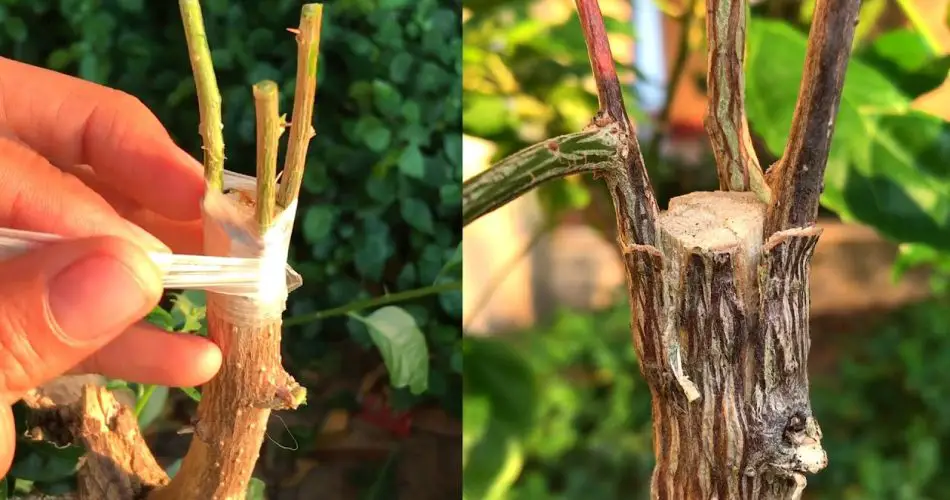
Grafting Wonders: A Universal Technique for Tree Transformation
Grafting, a horticultural technique that has been practiced for centuries, stands as a testament to the artistry and ingenuity of gardeners. What makes grafting truly remarkable is its universal applicability, extending its transformative powers to a multitude of tree species. In this article, we explore the wonders of the grafting method, showcasing its adaptability and its role in bringing about astonishing changes in the world of arboriculture.
The Grafting Method Unveiled:
Grafting involves combining two different plants—the scion (the desired upper part) and the rootstock (the lower part with established roots). This method enables the creation of hybrids with desirable traits, combining the strengths of different varieties into a single, robust tree.
Applicability Across Tree Species:
The beauty of grafting lies in its versatility, making it applicable to a wide array of tree species. From fruit-bearing trees to ornamental varieties and even hardwoods, grafting allows gardeners and arborists to explore new possibilities and create unique combinations that may not occur naturally.
Common Grafting Techniques:
- Whip-and-Tongue Grafting: This method involves cutting both the scion and rootstock at matching angles, creating a snug fit. The union is secured with a binding material, allowing the vascular tissues to fuse and promote growth.
- Cleft Grafting: Suitable for larger branches, cleft grafting involves making a vertical cut into the rootstock and inserting a wedge-shaped scion. The union is then sealed to protect against infections and promote healing.
- Bud Grafting (T-budding): A single bud or a small piece of stem with a bud is attached to the rootstock. This technique is often employed during the growing season and is particularly effective for fruit trees.
- Side-veneer Grafting: Ideal for species with thin barks, this technique involves attaching a scion with a sliver of bark to the rootstock. It promotes a seamless union as the bark layers merge.
Benefits of Grafting Across Tree Species:
- Accelerated Growth: Grafted trees often exhibit accelerated growth compared to those propagated from seeds. This is especially beneficial for fruit trees where faster maturation results in earlier fruit production.
- Disease Resistance: The rootstock, selected for its resilience against specific diseases or soil conditions, imparts enhanced disease resistance to the grafted tree, ensuring a healthier and more robust plant.
- Customization of Traits: Grafting allows for the customization of desirable traits such as fruit size, flavor, and ornamental characteristics. This level of control is valuable for creating trees that meet specific preferences or environmental conditions.
- Preservation of Unique Varieties: Grafting is a crucial tool for preserving and propagating unique varieties, especially for heirloom or endangered species. It serves as a means of conserving genetic diversity within tree populations.
The grafting method, with its universal adaptability, opens the door to a world of possibilities for tree enthusiasts and horticulturists. From orchards adorned with custom fruit varieties to gardens featuring ornamental hybrids, the art of grafting transcends boundaries and continues to shape the diverse landscape of arboriculture. Embrace the grafting method, and witness the magic of combining different tree species to create living works of art that stand as a testament to the power of horticultural innovation.


