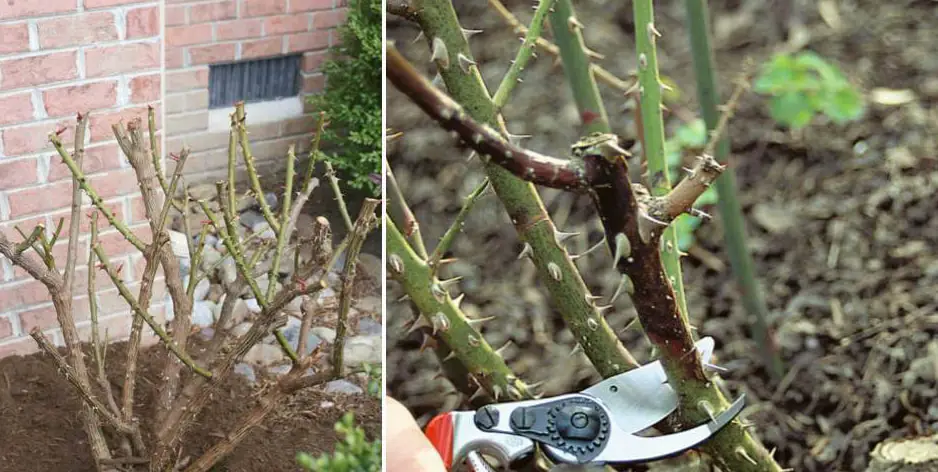
Pruning roses in spring is crucial for promoting healthy growth and abundant flowering. Proper pruning encourages new growth, improves air circulation, and helps shape the plant. Here are some tips to ensure your roses thrive:
1. Timing is Everything
- Best Time: Prune your roses in early spring, right after the last frost and when the weather starts to warm up.
- Signs to Look For: Begin pruning when you see the first signs of new growth, such as swollen buds.
2. Gather the Right Tools
- Sharp Pruners: Use clean, sharp pruners to make clean cuts. This reduces the risk of damaging the plant and spreading disease.
- Gloves: Wear heavy-duty gloves to protect your hands from thorns.
- Disinfectant: Have a disinfectant (like rubbing alcohol) on hand to clean your tools between cuts, especially if you’re working with diseased plants.
3. Know the Types of Roses
- Hybrid Teas and Floribundas: These types typically need heavier pruning.
- Shrub Roses: Require lighter pruning to maintain shape and encourage flowering.
- Climbing Roses: Focus on removing old, non-productive canes and shaping the plant.
4. Basic Pruning Steps
- Remove Dead and Diseased Wood: Start by cutting away any dead, damaged, or diseased branches. Cut back to healthy wood.
- Cut Out Crossing Branches: Remove branches that cross over each other to prevent rubbing wounds, which can become entry points for disease.
- Shape the Plant: Aim to create an open, vase-like shape that allows air and light to penetrate the center of the plant. This helps reduce disease and promotes healthy growth.
- Prune to Outward-Facing Buds: Make cuts above outward-facing buds to encourage growth away from the center of the plant. This helps maintain an open structure.
- Shorten Healthy Canes: Reduce the height of healthy canes by about one-third to one-half, depending on the type of rose and its growth habit.
5. Make Clean Cuts
- Angle the Cuts: Make cuts at a 45-degree angle about 1/4 inch above an outward-facing bud. This prevents water from sitting on the cut surface, which can lead to rot.
6. Remove Suckers
- What They Are: Suckers are vigorous shoots that grow from the rootstock below the graft union.
- How to Remove: Pull suckers away from the base rather than cutting them to reduce the chance of regrowth.
7. Fertilize and Mulch
- Fertilize: After pruning, apply a balanced rose fertilizer to encourage new growth and flowering.
- Mulch: Add a layer of mulch around the base of the plant to retain moisture and suppress weeds.
8. Monitor and Maintain
- Regular Checks: Continue to check for signs of disease or pests and address them promptly.
- Watering: Water regularly, especially during dry spells, but avoid wetting the foliage to reduce the risk of fungal diseases.
Summary
Pruning roses in spring is essential for their health and productivity. By timing your pruning correctly, using the right tools, and following these steps, you can ensure your roses grow strong and produce an abundance of beautiful blooms. With proper care and attention, your roses will thrive and add stunning beauty to your garden.
Show Comments


