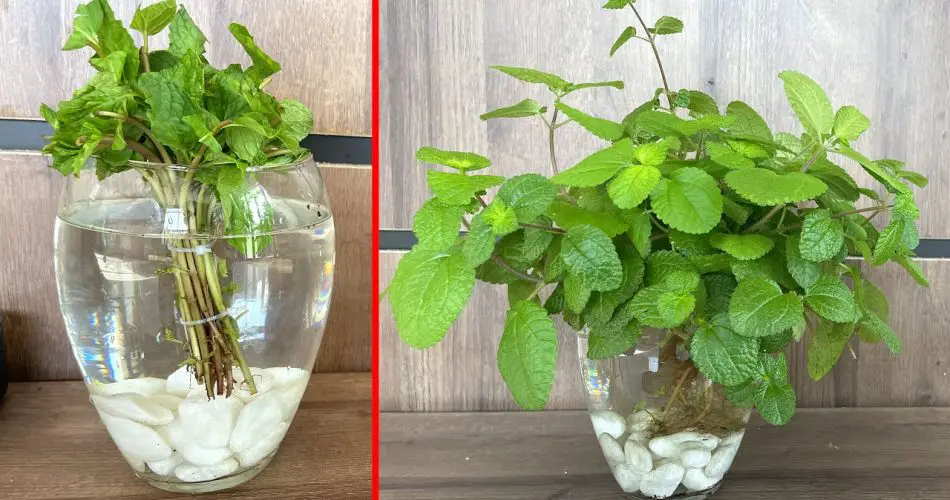
Minty Fresh Elegance: Planting Mint as an Ornamental Delight
Mint, renowned for its aromatic leaves and refreshing fragrance, is often celebrated for its culinary uses and medicinal properties. However, in addition to its practical applications, mint can also serve as a charming and visually appealing ornamental plant. In this article, we’ll explore the joys of incorporating mint into your garden not just for its utility but also for its ornamental allure.
The Ornamental Appeal of Mint:
1. Selecting Mint Varieties:
- Mint comes in various varieties, each offering unique leaf shapes, colors, and growth habits. Choose mint varieties that complement the aesthetic you desire for your ornamental garden. Popular choices include spearmint, peppermint, chocolate mint, and pineapple mint.
2. Choosing the Right Location:
- Mint thrives in partial to full sunlight, making it versatile for a range of garden settings. Ensure your chosen location provides adequate sunlight while offering protection from intense afternoon heat.
3. Container Gardening:
- Opt for container gardening if space is limited or if you want to control the spread of mint, as it can be quite vigorous. Choose decorative containers that add an extra layer of visual appeal to your ornamental display.
4. Companion Planting:
- Plant mint alongside other ornamental herbs, flowers, or vegetables to create visually striking combinations. Consider pairing it with plants that have contrasting colors and textures to enhance the overall aesthetic.
5. Pruning for Shape:
- Regular pruning not only encourages bushier growth but also allows you to shape your mint plant for ornamental purposes. Experiment with different pruning techniques to create visually pleasing forms, such as rounded mounds or cascading arrangements.
6. Embrace Variegated Varieties:
- Explore variegated mint varieties that feature leaves with striking color patterns. These can add a touch of vibrancy and artistic flair to your ornamental garden.
7. Fragrance for Enjoyment:
- Mint’s invigorating fragrance is an added bonus in an ornamental garden. Plant it in areas where the gentle breeze can carry its scent, creating a delightful atmosphere for you and your guests.
8. Harvest with Decor in Mind:
- When harvesting mint for culinary or medicinal purposes, do so with decor in mind. Select stems strategically to maintain the plant’s ornamental shape and overall visual appeal.
Benefits of Ornamental Mint:
- Low Maintenance Elegance: Mint is relatively low-maintenance, making it an excellent choice for ornamental gardening. Its resilience and adaptability allow for effortless integration into various garden styles.
- Year-Round Greenery: Mint is often evergreen, providing lush greenery throughout the year. This consistency makes it a reliable contributor to your ornamental landscape regardless of the season.
- Adaptable Growth Patterns: Mint’s adaptable growth patterns, whether contained in a pot or planted in the ground, make it suitable for a wide range of garden designs, from formal arrangements to more casual and whimsical settings.
Conclusion:
Adding mint to your ornamental garden introduces not only aesthetic charm but also the delightful fragrance and versatility of this herb. Experiment with different varieties, shapes, and arrangements to create an ornamental display that not only pleases the eyes but also engages the senses. With its refreshing aroma and lush foliage, ornamental mint is a delightful addition to any garden, offering both visual and aromatic satisfaction.


