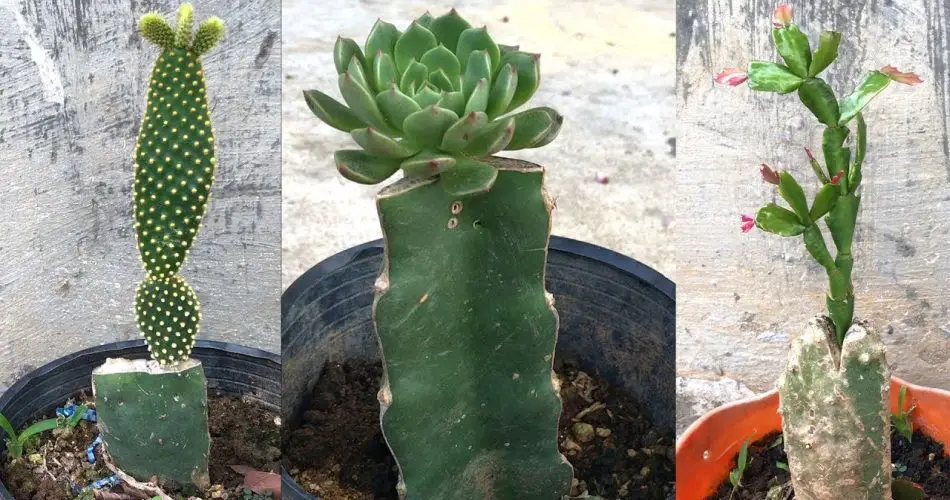
“Harmonious Pairing: The Art of Transplanting Dragon Fruit and Rock Lotus Cactus Together”
Gardening enthusiasts are continually seeking innovative ways to create harmonious and visually appealing combinations in their gardens. One such intriguing pairing involves the graceful elegance of dragon fruit with the rugged charm of rock lotus cactus. In this article, we explore the art of transplanting these two distinctive plants together, unveiling a captivating duo that not only coexists but enhances the overall aesthetic of your garden.
The Dynamic Duo:
- Dragon Fruit (Pitaya): Known for its exotic appearance and sweet, vibrant fruits, the dragon fruit cactus (Pitaya or Pitahaya) is a climbing succulent that thrives in well-draining soil and full sunlight. With its sprawling vines and night-blooming flowers, it brings a touch of the tropics to any garden.
- Rock Lotus Cactus: The rock lotus cactus, with its resilient and sculptural presence, complements the dragon fruit’s elegance. Resilient to arid conditions, this cactus features striking ribbed stems and typically produces vibrant flowers, adding a burst of color to the landscape.
Steps for Transplanting:
- Selecting Healthy Specimens: Choose healthy dragon fruit and rock lotus cactus specimens for transplanting. Ensure that they are free from pests or diseases, providing a strong foundation for their coexistence.
- Preparing Well-Draining Soil: Both dragon fruit and rock lotus cactus thrive in well-draining soil. Prepare a mix of cactus potting mix or sandy soil enriched with organic matter to promote optimal growth.
- Determining Placement: Plan the garden layout to accommodate the specific sunlight requirements of both plants. Dragon fruit prefers full sunlight, while the rock lotus cactus can tolerate partial shade. Find a location that strikes a balance for both.
- Digging and Planting: Dig holes for transplanting, ensuring they are deep enough to accommodate the roots of both plants. Gently place the dragon fruit and rock lotus cactus in their respective holes, backfilling with the prepared soil mix.
- Providing Support for Dragon Fruit: Since dragon fruit is a climbing cactus, provide a support structure for it to ascend. This can be a trellis or other vertical elements that allow the dragon fruit to showcase its characteristic climbing habit.
Care and Maintenance:
- Watering Routine: Establish a consistent watering routine, ensuring that the soil is kept evenly moist but not waterlogged. Both dragon fruit and rock lotus cactus are drought-tolerant but benefit from regular hydration.
- Fertilization: Apply a balanced cactus fertilizer during the growing season to provide essential nutrients. Follow the recommended guidelines for each plant to promote healthy growth and flowering.
- Monitoring for Pests: Keep a vigilant eye for pests that may affect either the dragon fruit or rock lotus cactus. Early detection allows for prompt intervention to protect the health of both plants.
Enjoying the Synergy:
- Blooms and Fruits: Over time, the dragon fruit and rock lotus cactus will reward your efforts with blooms and, in the case of dragon fruit, delicious fruits. The contrasting textures and colors create a visually stunning and harmonious garden display.
- Year-Round Appeal: With proper care, this dynamic duo offers year-round appeal. The rock lotus cactus’s sculptural form adds interest even when not in bloom, while the dragon fruit’s climbing vines and night-blooming flowers provide seasonal highlights.
Transplanting dragon fruit and rock lotus cactus together is an artful endeavor that combines elegance with rugged beauty. This dynamic duo not only coexists harmoniously but enhances each other’s unique characteristics, creating a garden display that captures the essence of diversity and synergy. Embrace the joy of cultivating these distinctive plants side by side, and witness the captivating transformation as they thrive and bloom in unison, contributing to the living tapestry of your garden.


