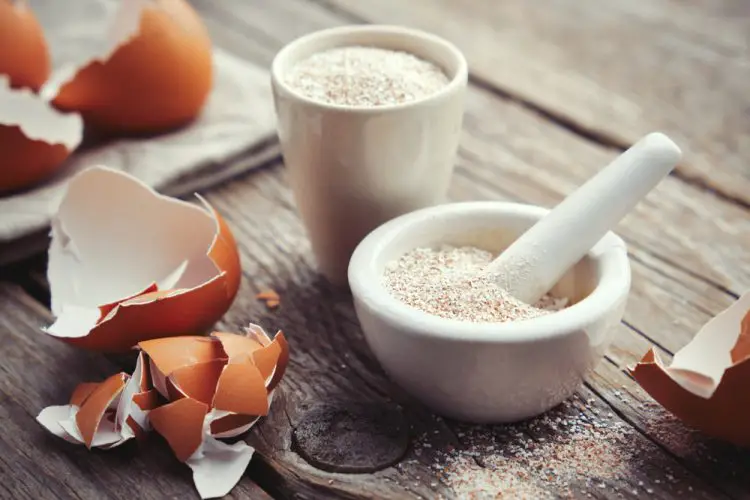
Why spend money on chemical-laden fertilizers when you can create your own nutrient-rich spray from household waste? Eggshells, a common organic leftover, are a fantastic resource for making a natural fertilizer that your plants will love. Not only is it cost-effective and eco-friendly, but it’s also an excellent way to repurpose something that would otherwise end up in the trash.
Why Are Eggshells a Good Fertilizer?
Eggshells are rich in calcium carbonate (CaCO3), which is vital for healthy plant growth. Calcium helps plants absorb other essential minerals, promoting strong roots and overall better health. In fact, eggshells contain around 90% limestone, making them an excellent source of calcium.
But the benefits don’t stop at calcium! Eggshells also contain 27 other micronutrients, including fluorine, copper, iron, manganese, phosphorus, sulfur, zinc, and silicon. These nutrients help support your plant’s immune system, increase root development, and encourage healthy foliage growth.
How to Make Your Own Eggshell Fertilizer
Making liquid fertilizer from eggshells is simple and requires just two ingredients:
- Shells from 1 to 2 eggs
- 1 liter of water
Here’s how to do it:
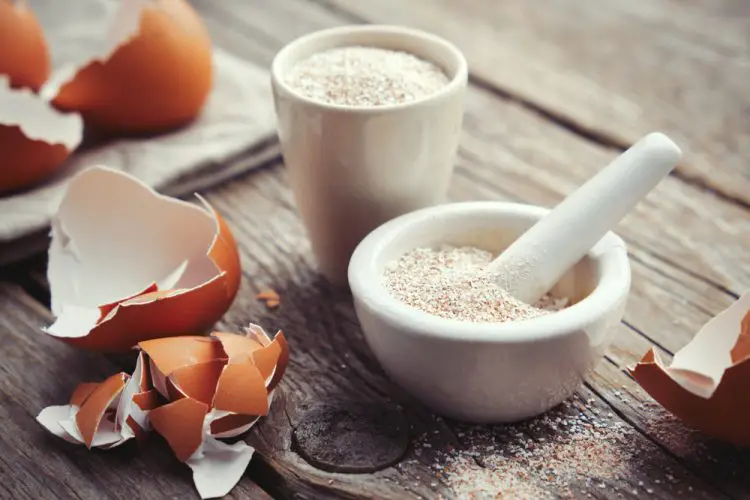
- Crush or grind the eggshells into a fine powder. You can use a mortar, a blender, or a coffee grinder to break them down. Alternatively, you can place the shells between two wooden boards and crush them with a rolling pin.
- Once the shells are finely ground, place them into a container and pour 1 liter of water over them.
- Let the mixture sit for 12 hours so the minerals can dissolve into the water.
- After the wait, strain the water through a fine sieve or filter bag into a watering can. This is your liquid limestone fertilizer.
- You can use the remaining eggshell remnants by spreading them on the soil around your plants or adding them to your compost.
Tips for Correct Fertilization
Like with any fertilizer, less is often more. It’s important to be mindful of how much you use:
- Lime-loving plants will thrive with this natural fertilizer, but others may be more sensitive to alkaline conditions. Pay attention to your plant’s specific needs and the acidity or alkalinity of your soil.
- If you’re unsure about the lime content in your water or soil, consider doing a simple pH test using strips that are available at pharmacies, plant stores, or online.
By adjusting the amount of eggshell fertilizer based on your plant’s needs, you’ll encourage healthy growth and vibrant blooms.
Conclusion
Making a DIY eggshell fertilizer is an easy and sustainable way to give your plants the nutrients they need without relying on expensive store-bought products. Not only does it help the environment by reducing waste, but it also provides your plants with the minerals they require for healthy, thriving growth.
Have you ever experimented with homemade fertilizers? Share your experiences in the comments—we’d love to hear your gardening hacks!


