Vegetables with high nutritional value, such as tomatoes and cucumbers, require extra care starting in July.
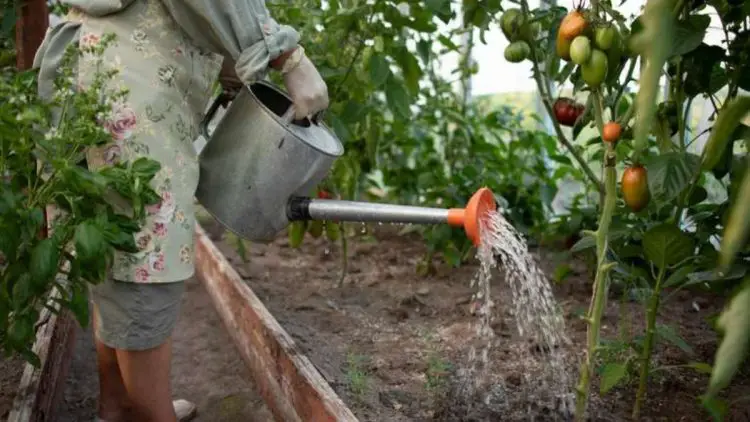
Special Care for High Nutrient Vegetables
Varieties like peppers, cucumbers, and tomatoes demand special attention. Providing the right nutrients can significantly boost your harvest. As midsummer arrives, the vegetable harvest truly begins. The combination of fruiting and high temperatures in July and August places significant stress on plants. Fast-growing varieties, especially tomatoes, require dedicated care. Ensuring a constant supply of nutrients is vital for sustained growth until the season’s end.
Fertilization in July
A second application of fertilizer is crucial from July onward. High-growing vegetables have a particularly high nutrient demand, especially for nitrogen. This group includes tomatoes, cucumbers, celeriac, all types of cabbage, potatoes, peppers, and zucchini. While these heat-loving plants need sufficient sunlight, which you can manage by choosing the right location, you can control fertilization.
Ideally, these fast-growing plants should have received compost or an organic fertilizer, like cornucopia, at planting. In July or August, they require a second dose of fertilizer, as fruit formation demands considerable energy. A vegetable fertilizer high in potassium is ideal, as potassium is essential for flower and fruit development. Consider using a little cornucopia powder every three weeks or regular liquid fertilization with nettle manure.
Summer Care for Healthy Plants
To further promote the health of your vegetable plants, follow these care tips:
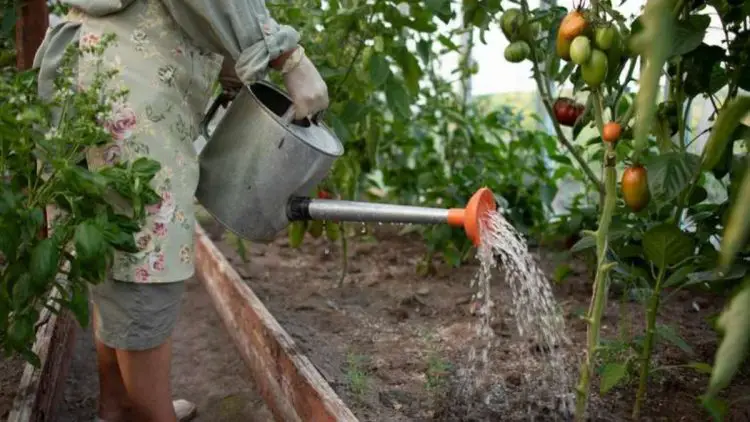
- Water Abundantly: Water in the morning, and in the evening if temperatures soar. Cucumbers and zucchini, in particular, need regular watering to prevent bitterness.
- Mulch Regularly: Use fresh grass clippings or small pieces of plant debris (avoid weeds!) to help retain soil moisture.
- Loosen Soil Frequently: This allows vegetables to absorb nutrients more effectively.
- Support Plants: Use stakes for cucumbers and tomatoes to support heavy or numerous fruits.
- Thin Tomatoes Weekly: This practice encourages better growth and fruiting.
Additionally, regularly inspect your plants for pests and diseases to catch any infestations early. By implementing these practices, you’ll ensure a healthy, productive garden throughout the growing season!