Roses require special attention to grow healthy bushes with abundant blooms, and pruning plays a crucial role in achieving this.
Pruning Schedule
Pruning is most effective when done in spring. Autumn pruning risks exposing wounds to frost before they heal, making the bushes vulnerable to fungal infections. Spring pruning avoids this risk, as sudden frosts are less frequent.
Optimal Timing
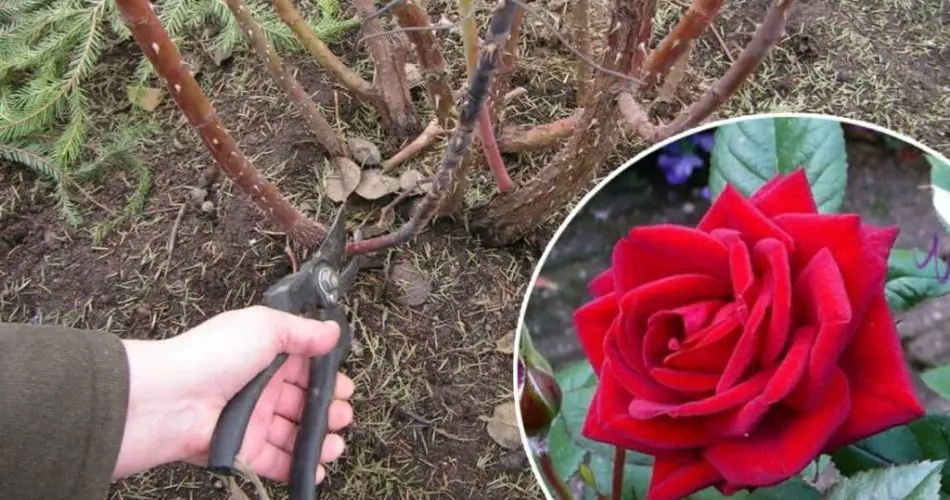
The ideal time for pruning roses is in April. It’s crucial to minimize damage to prevent fungal infections. Use sharp, clean secateurs and avoid pinching the shoots.
Benefits of Spring Pruning
Spring pruning helps maintain the desired shape of the bushes. It involves removing dead shoots, encouraging the formation of numerous buds that will develop into flowers. While intensive pruning may delay flowering, it results in larger blooms that last longer.
Pruning Guidelines
Consider the type of rose bush when pruning:
- Multi-flowered and border roses should be pruned to 3-4 buds and 6 buds respectively.
- For climbing roses, remove faded shoots and long branches near the base.
Technique
Cut branches at a 0.5-1 cm angle from the last healthy bud. If branches show signs of damage like brown spots or cracks, prune just above the highest healthy bud. This promotes robust shoot growth and abundant flowering.
Aftercare
After pruning, treat wounds with a garden decoction or water-based paint containing fungicide. This prevents diseases and ensures healthy regrowth.
Following these pruning practices will promote healthy rose bushes with beautiful, long-lasting blooms throughout the growing season.