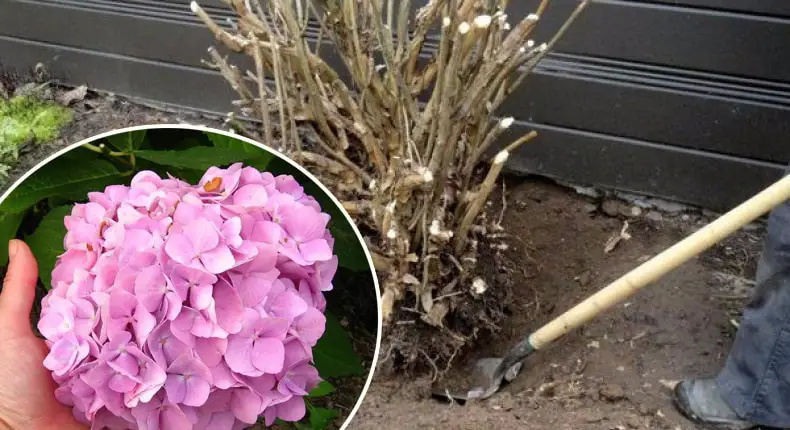
Hydrangea, with its stunning blooms, never fails to captivate admirers. To ensure abundant and vibrant flowering, it’s essential to know the optimal planting locations and proper care techniques for this beloved plant.
Choosing the Right Location:
Lighting: Hydrangeas thrive in partial shade. Ideal spots include the north or east sides of buildings or shaded areas beneath trees. Direct sunlight can fade their flowers, so some shade is beneficial.
Soil: Hydrangeas prefer acidic soil. If your soil is naturally alkaline, you can acidify it by incorporating peat, pine needles, or leaf mulch into the planting area.
Watering: Regular watering is crucial for hydrangeas. Keep the soil around the plant consistently moist, especially during hot weather. Watering in the morning or evening helps minimize water loss from evaporation.
Fertilization: Hydrangeas benefit from regular feeding during the growing season. You can use specialized hydrangea fertilizers or balanced mineral fertilizers to ensure they receive essential nutrients.
Pruning: Annual pruning is essential for maintaining the shape of the plant and promoting robust flowering. Prune in either spring or autumn, removing old flower heads and trimming back unruly growth to encourage new blooms.
Winter Protection: Protect hydrangeas from winter cold to ensure they survive and bloom vigorously in the following seasons. Methods include wrapping the plant with burlap, using frost blankets, or covering with evergreen branches.
By following these guidelines, you can create optimal conditions for hydrangeas to flourish in your garden. Carefully select the planting location, considering light exposure, soil acidity, and winter protection, to enjoy the beauty of hydrangea blooms throughout the seasons.